
Free in-home measure and quote - PGT, CGI and CWS impact lines compared on your actual openings, style by style
Sliding glass doors
Impact garage doorsPGTCGI
 Before
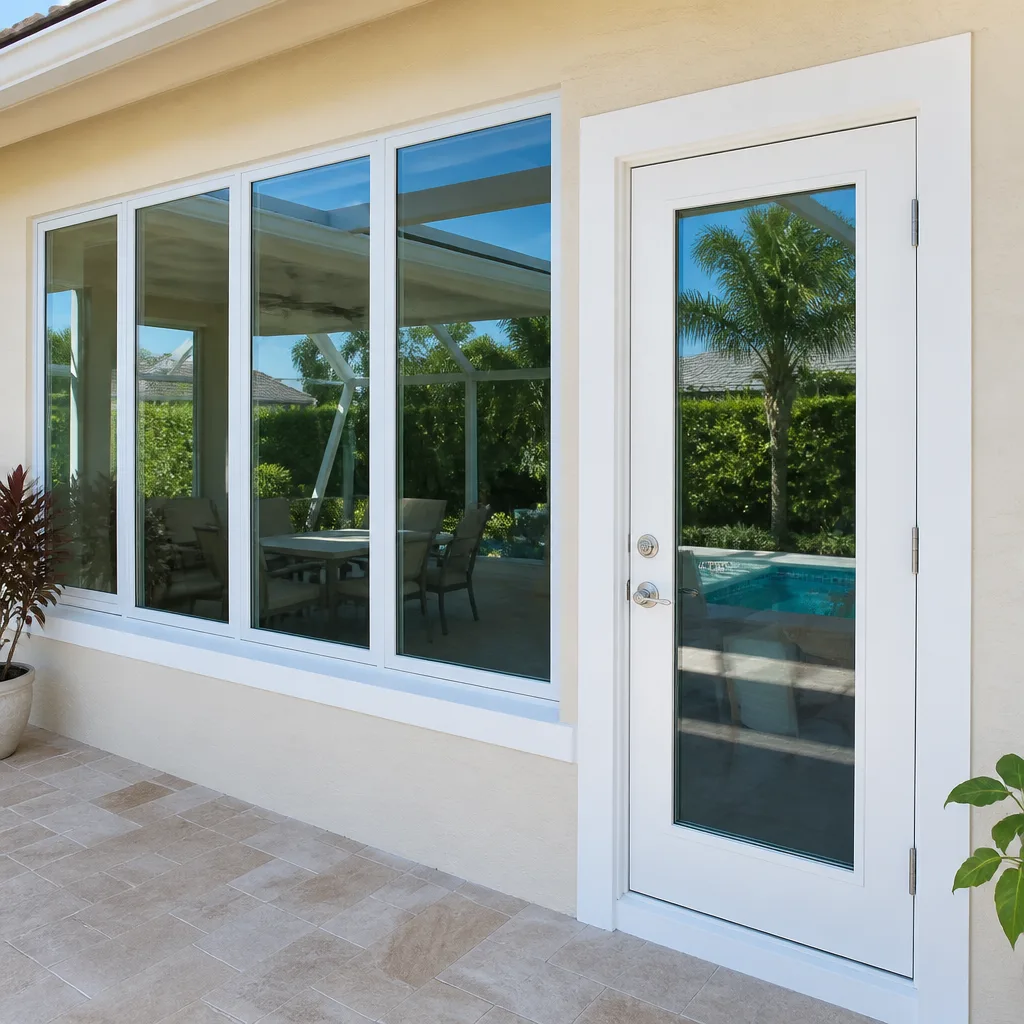 After
After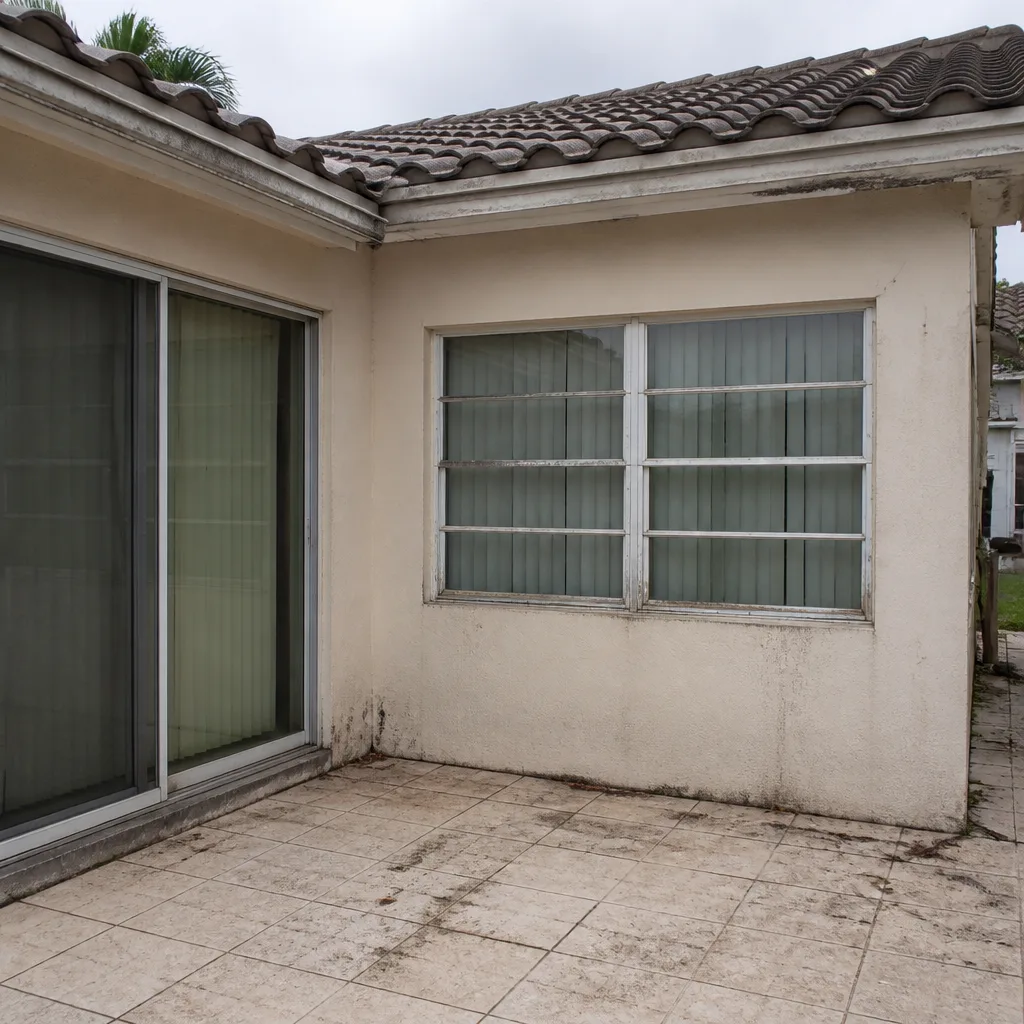 Before
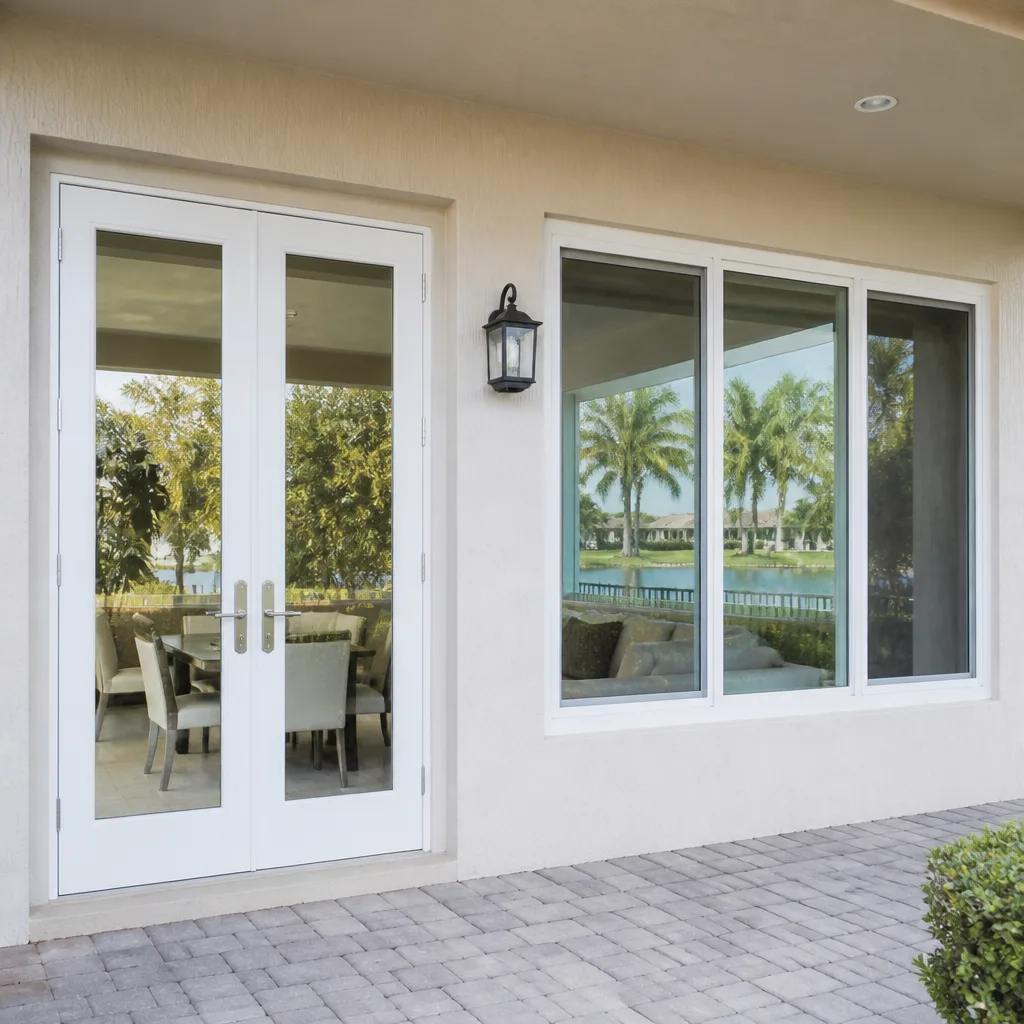 After
After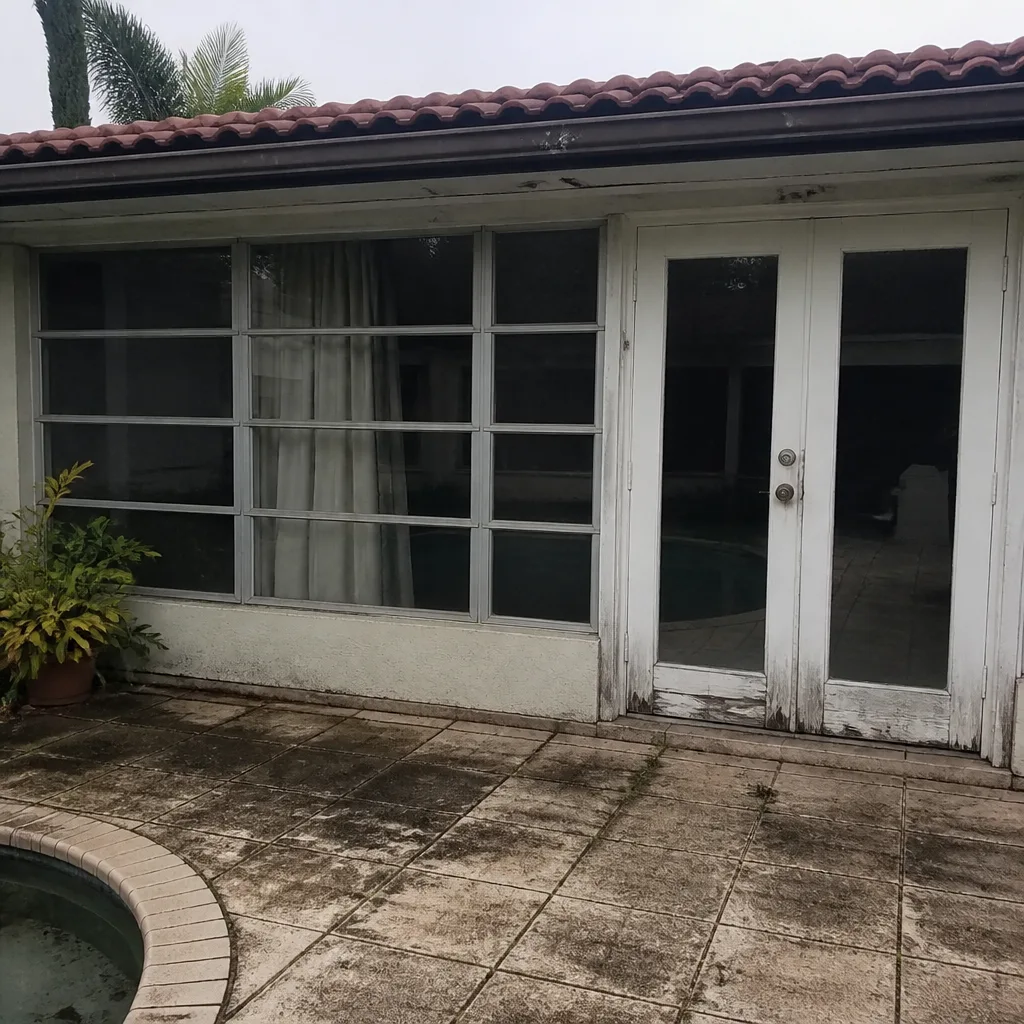 Before
 After
AfterPella Window Replacement: The Plantation Owner’s Guide
We stock and install Pella-compatible window replacement parts across Plantation, with most single-sash replacements running between $240 and $480 installed, depending on glass type and series. A full window swap on a Pella Architect or Designer Series typically lands between $850 and $1,600 per opening. Most Plantation homeowners discover they need a replacement the way Dale Kessler describes it: you notice a fog between the panes that won’t wipe off, or the sash drops a quarter-inch when you let go of the crank. By then, the seal has already failed and the humidity has done its work.
Key Takeaways
- Pella replacement parts in Plantation are matched by the window’s serial number or the etched glass code, not just by measuring the visible frame.
- OEM Pella parts preserve the warranty relationship; quality aftermarket equivalents can save 30-40% on out-of-warranty windows when the glazing specs match.
- South Florida humidity and salt air shorten a Pella seal’s life to roughly 8-12 years, even on well-maintained units.
- We’re an independent installer and service provider. We are not affiliated with Pella Corporation, and we’ll tell you plainly when an OEM part is the better call versus an equivalent.
Which Pella Models This Applies To
Pella’s product line spans several series, and the replacement part that fits a 1998 ProLine double-hung is not the same part that fits a 2018 Lifestyle Series casement. In Plantation, we see a heavy concentration of Pella 250 Series, 450 Series, and Architect Series windows from the building boom of the late 1990s through the 2010s, along with a good number of ProLine units that have been through two or three hurricane seasons.
The fastest way to identify what you have is the etched code in the corner of the glass, usually a two-character series code plus a string of digits. That code tells us the series, the glass package, and in many cases the year the unit was assembled. The paper label on the interior jamb or the top of the sash helps too, but those fade in Plantation’s heat and often peel off entirely. If we can’t pull a code, we measure the visible glass, the sash profile, and the balance shoe or hinge geometry to narrow the series.
On the OEM-versus-aftermarket question for Pella specifically: Pella’s proprietary clad finishes and their between-the-glass blinds mean some components only make sense as OEM. A Pella sash with built-in blinds should not be swapped for a generic sash if you want the blinds to keep operating correctly. But for a plain double-pane insulated glass unit, a quality aftermarket IGU built by a local fabricator often performs as well as the Pella-labeled glass at a meaningfully lower cost. We quote both on paper so you can see the difference before you decide.
Signs Your Pella Window Replacement Is Failing
- Fog or haze between the panes that won’t wipe away. The desiccant inside the spacer has absorbed all the moisture it can, and the seal has opened. In Plantation, where summer humidity sits above 80% for months at a time, the fog is usually constant rather than coming and going.
- The sash drops, sticks, or feels like it’s fighting you when you tilt it in. Pella balance springs and constant-force coils fatigue after years of daily use. The window may still seal, but the hardware is telling you it’s done.
- Condensation between the glass that turns to mineral residue. Once we see the white etching on the inside of the IGU, the glass can’t be cleaned, only replaced. This is the stage where a replacement was needed a season or two ago.
- Water staining on the interior sill after a hard rain. The glazing bead or weatherstripping has cracked open, or the frame-to-wall flashing has pulled back. On east-facing Plantation windows, UV damage to the vinyl or painted cladding speeds this up.
- The crank turns and the window doesn’t move, or the operator clicks. Pella casement operators strip at the gear head, not at the crank handle. Some operators are field-rebuildable, but most 15-year-old units are cheaper to replace than to rebuild.
Replacement Cost & What’s Included
For most Pella windows in Plantation, a replacement sash or insulated glass unit runs $240 to $480 installed, which includes the part, the glazing tape and sealant, our labor, and cleanup. A full-frame replacement, where the entire window comes out and we set a new Pella or equivalent unit into the rough opening, lands between $850 and $1,600 per opening depending on size, glass package, and whether we’re matching an existing clad finish or upgrading to an impact-rated unit.
The spread comes mostly from glass: standard double-pane clear, Low-E, Low-E with argon, laminated impact glass, each step adds real money. We quote line-item pricing before any work starts, and the number on the quote is the number on the bill. No change orders because we found a surprise once we got the sash out. On the work itself, TruePane stands behind it with the Done Right Promise: if it’s not right, we make it right, no paperwork fight. And per The Keystone Standard, we register both manufacturer warranty layers in writing before the truck leaves the driveway, with durations stated, so you know exactly what’s covered and for how long.
DIY or Call Us?
You can safely check a few things yourself. Clean the tracks, check for an obvious gap in the weatherstripping, and note which series code is etched in the glass so you can describe it accurately on the phone. That’s useful information and costs nothing.
Where DIY goes wrong on Pella windows is the replacement itself. A double-hung sash under spring tension can pinch fingers or come out of the jamb fast if the balance shoe is worn. Setting an IGU into a Pella frame requires the right thickness, the right spacer profile, and clean bed of glazing tape, or the new unit fogs within a year and you’ve spent money on a part you now have to pay twice to fix. On any window with between-the-glass blinds, the disposal and reinstallation of the sash assembly is genuinely awkward for one person and easy to damage. If you’ve already priced the part online and you’re not sure about the install, call us at (772) 577-2915 before you order it. We’ll tell you honestly if it’s a job you can handle, or if it’s one of the ones worth paying a professional to do once.
FAQs
In Plantation’s heat and humidity, most Pella insulated glass units hold their seal for 8 to 12 years. Coastal-adjacent homes with salt air exposure sometimes see failure a year or two sooner. If your window is older than that and starting to fog, it’s not a fluke, it’s the expected lifespan.
Some Pella hardware is repairable: certain casement operators, balance shoes, and weatherstripping can be replaced without touching the glass. But a failed IGU seal cannot be repaired, only replaced, because the argon and desiccant live inside the sealed unit. Call (772) 577-2915 and describe what you’re seeing; we’ll tell you which side of that line you’re on.
A sash or IGU swap is typically a 45-minute to 2-hour job per window, including cleanup. A full-frame replacement runs half a day to a full day depending on the opening and whether we’re disturbing stucco or interior trim.
We keep common Pella replacement components on the truck: tilt latches, balance shoes, crank operators, lock sets, and the glazing materials to set a new IGU. Series-specific sashes and between-the-glass blind assemblies are ordered to spec and usually arrive within a week to ten days here in Plantation. We’ll give you the timeline in writing before you commit to anything.
If you’ve got a Pella window in Plantation that’s fogging, binding, or just not closing the way it used to, call TruePane Windows & Doors at (772) 577-2915. We’ll quote it straight, show you the OEM and equivalent options on paper, and if it’s not square, level, and in writing, it’s not done. Free estimates, no pressure, and a live person answers the phone.
Written by Dale Kessler, Owner, TruePane Windows & Doors at TruePane Windows & Doors, serving Plantation and nearby areas.
Six Reasons Homeowners Choose TruePane Windows & Doors
Impact systems engineered to design pressures up to +/-100, matched to your wind zone - your openings hold when the storm arrives.
Low-E insulated impact glass from our manufacturer lines commonly cuts monthly cooling bills 20-30%.
Laminated impact glass shuts out up to 40% of outside noise - traffic, neighbors, weather.
Monitoring services run $30-90 a month. Laminated impact glass resists forced entry around the clock, with no subscription.
Florida homeowners average around 25% savings on the windstorm portion of their policy after protecting every opening - some homes qualify for more.
A full impact package upgrades curb appeal, buyer confidence and appraised value in one project.