
Last updated August 27, 2026
Free in-home measure and quote - PGT, CGI and CWS impact lines compared on your actual openings, style by style
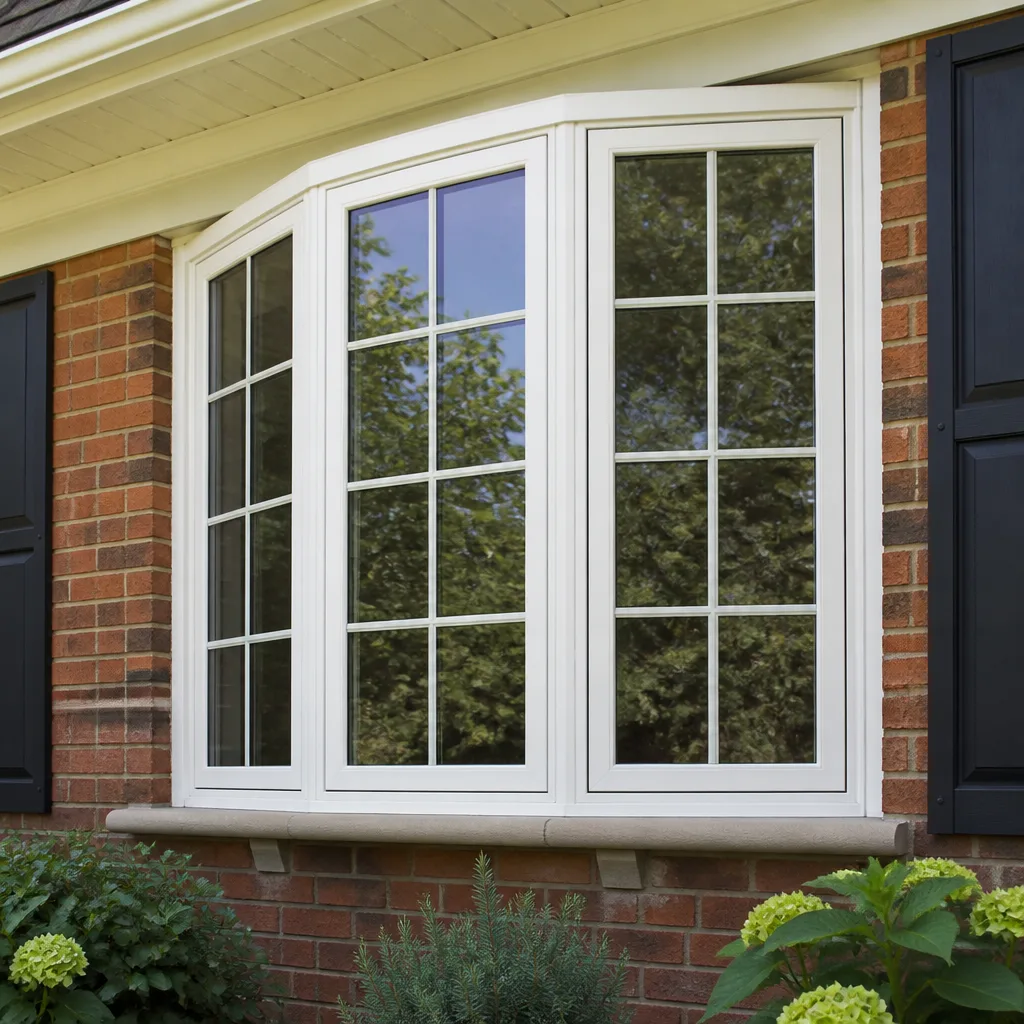
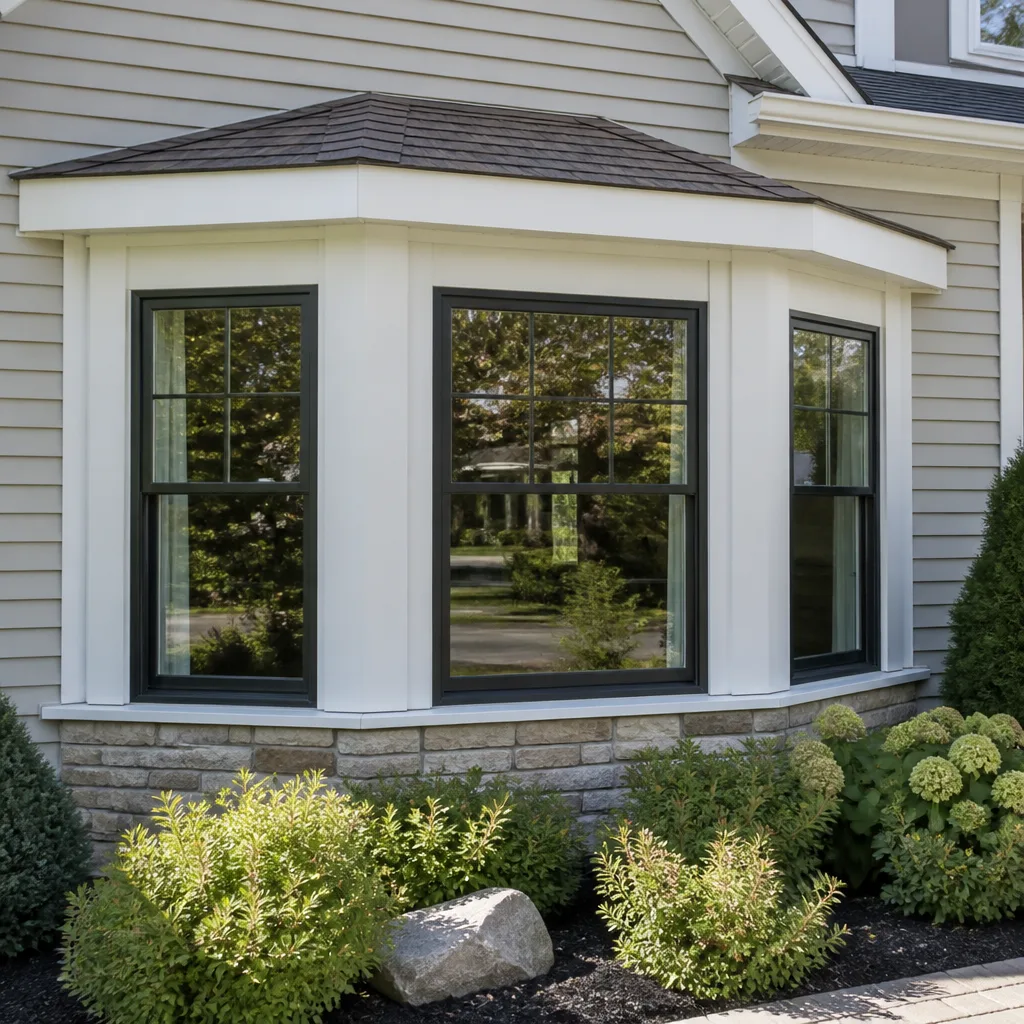
Sliding glass doors
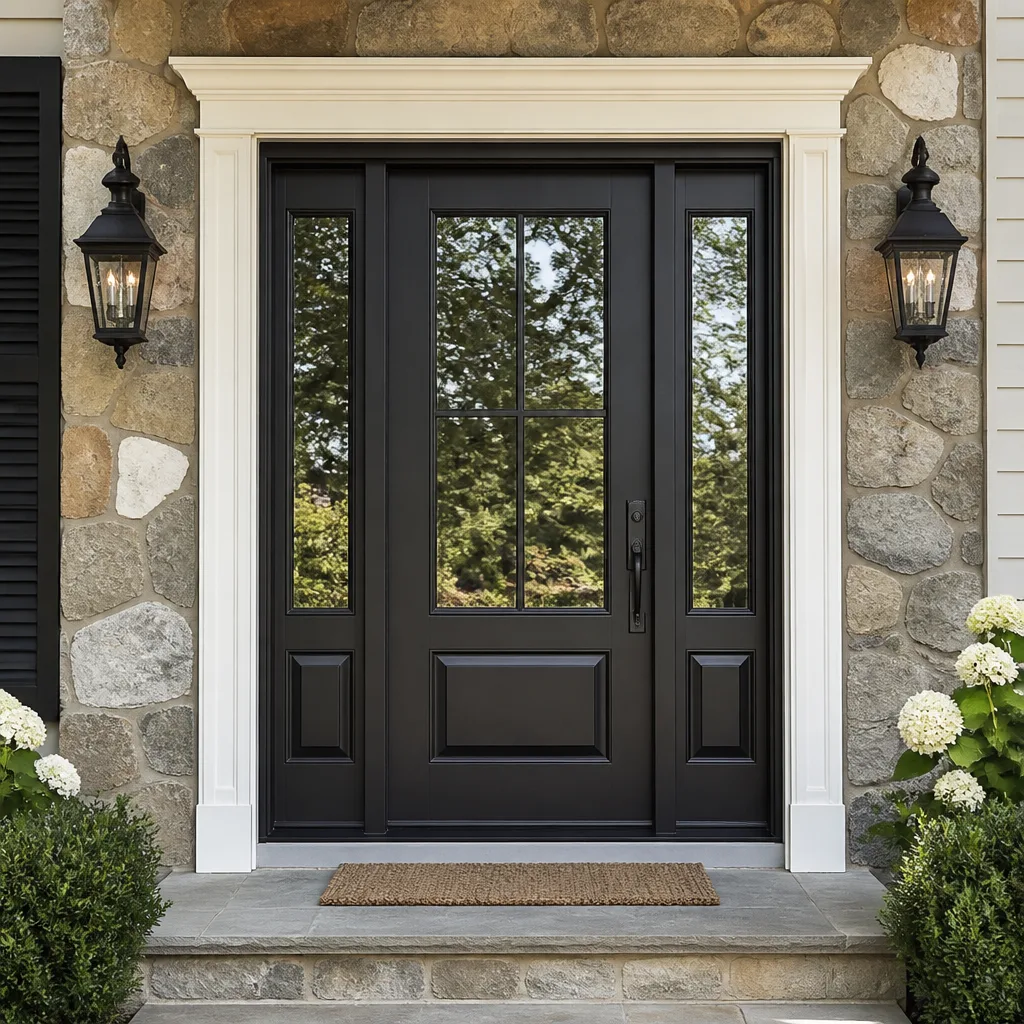
Impact garage doorsPGTCGI
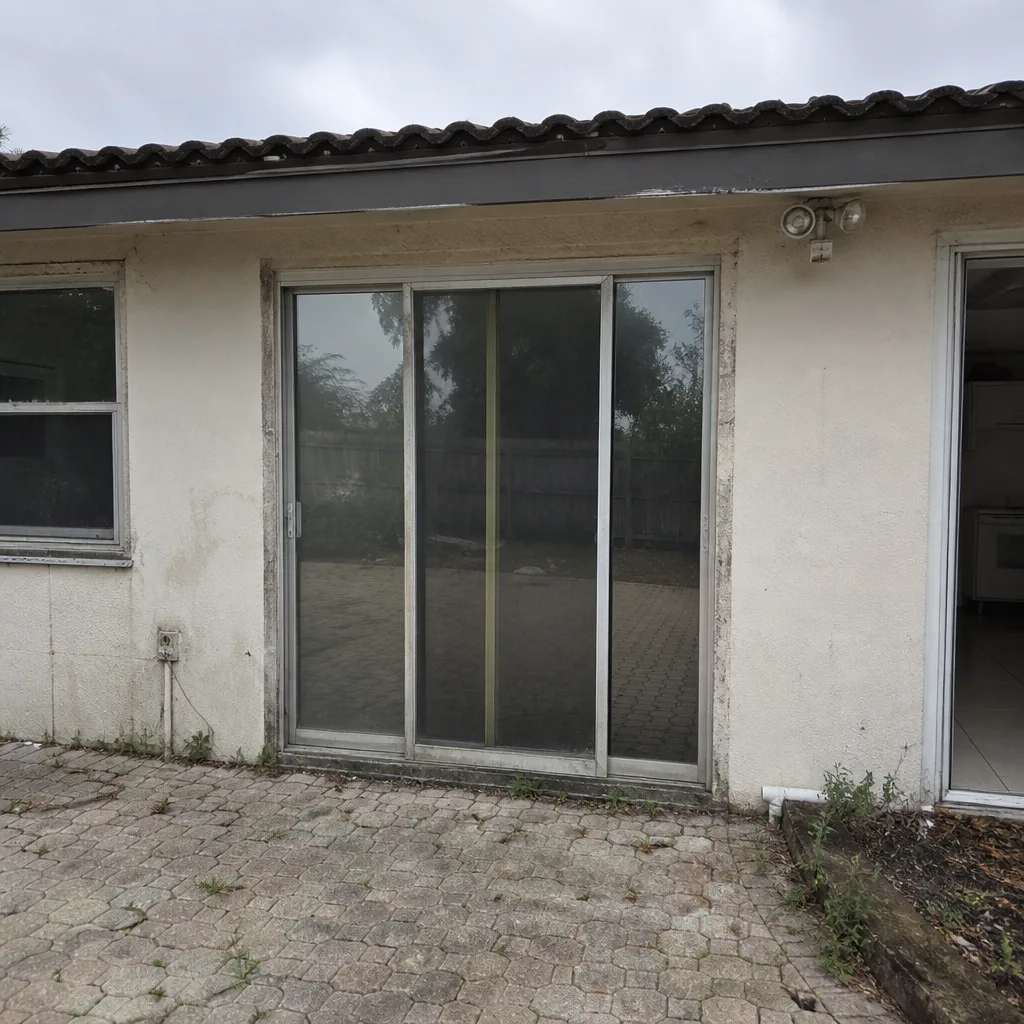 Before
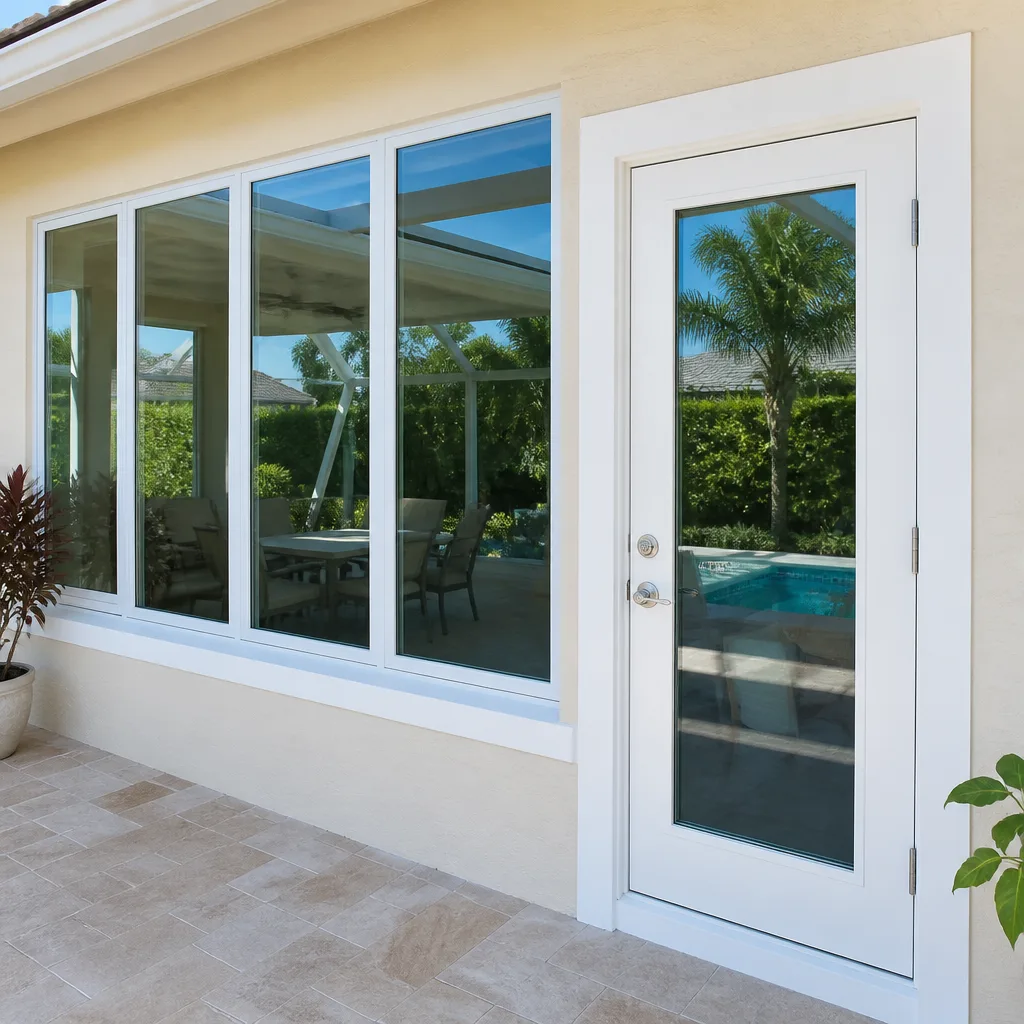 After
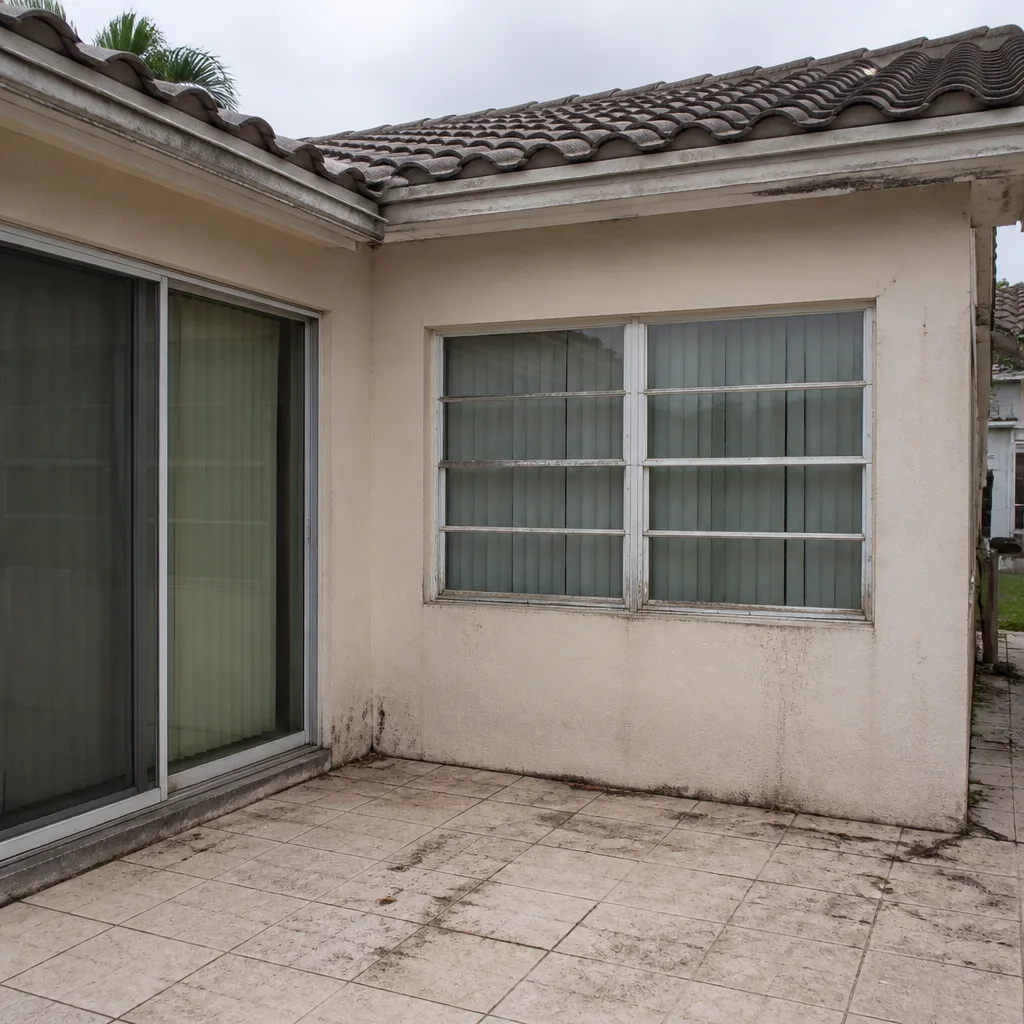 Before
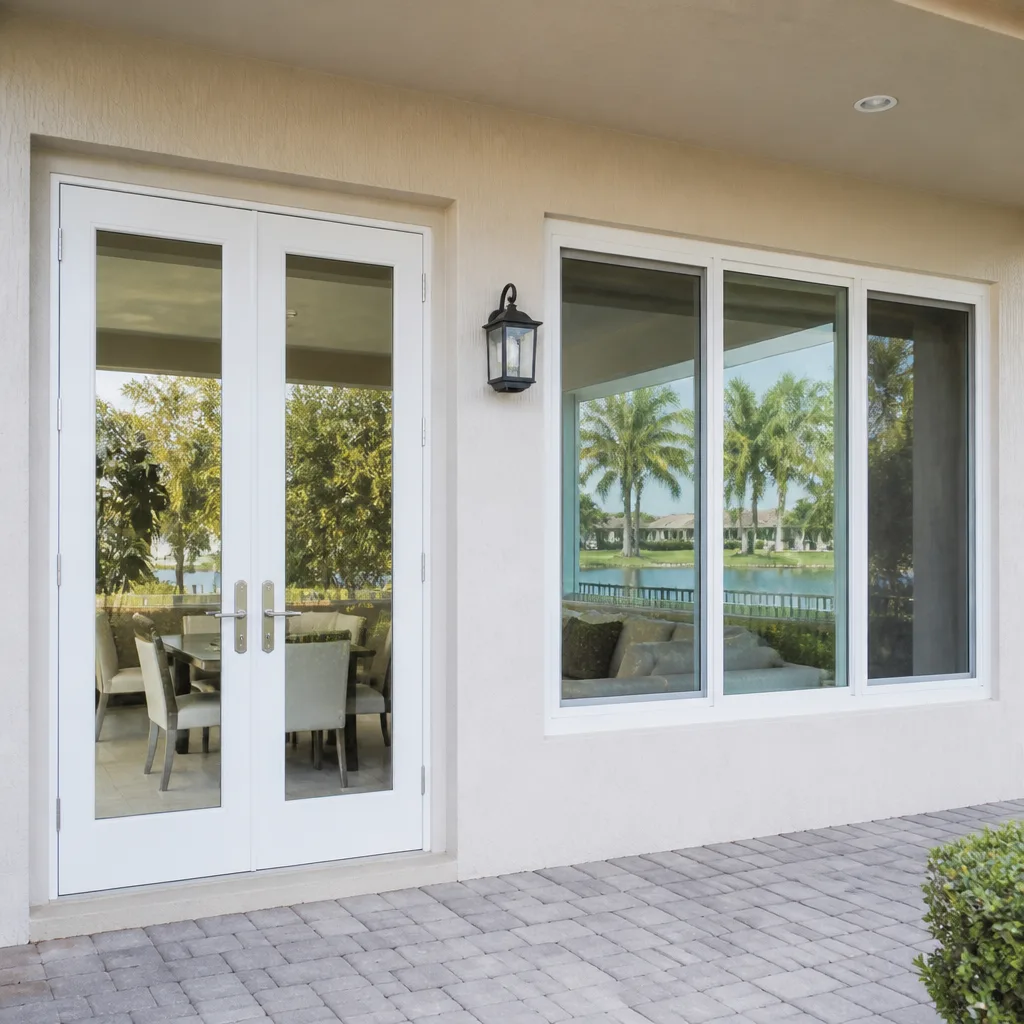 After
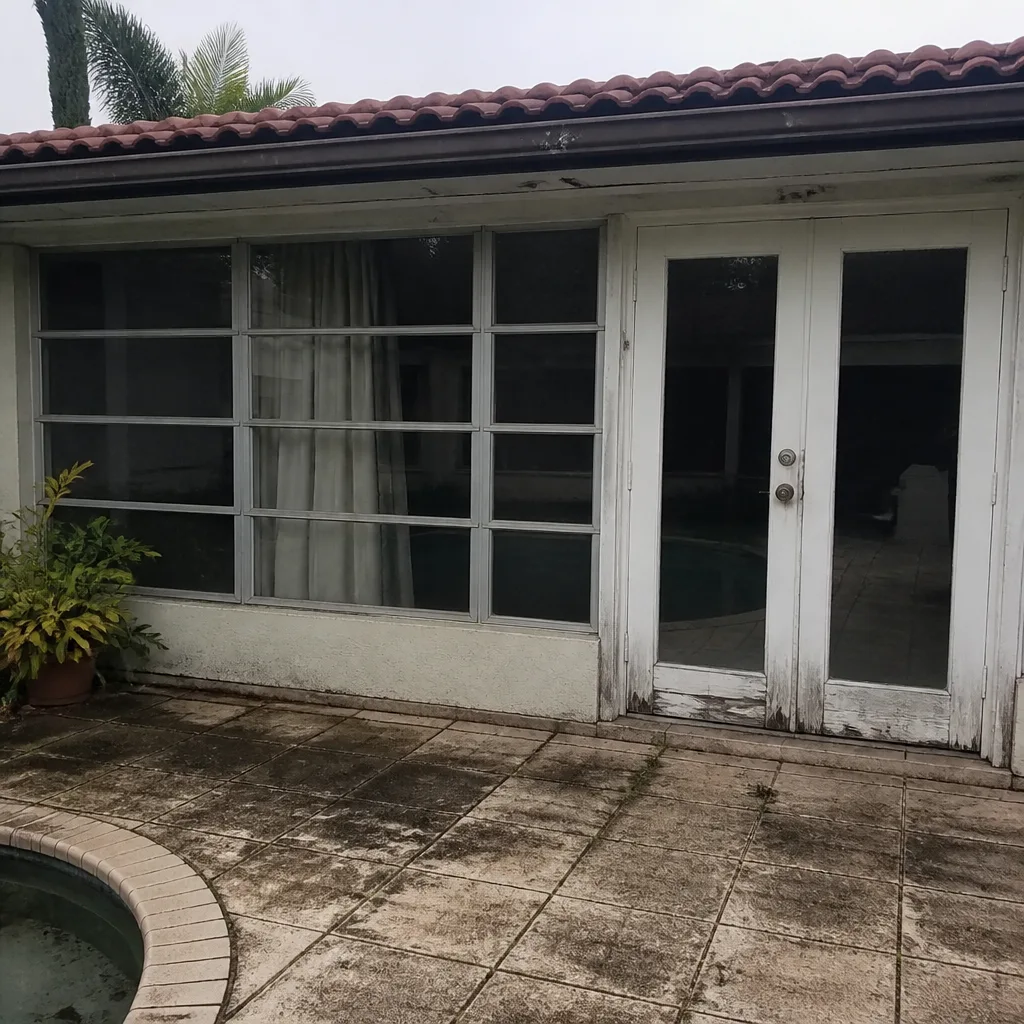 Before
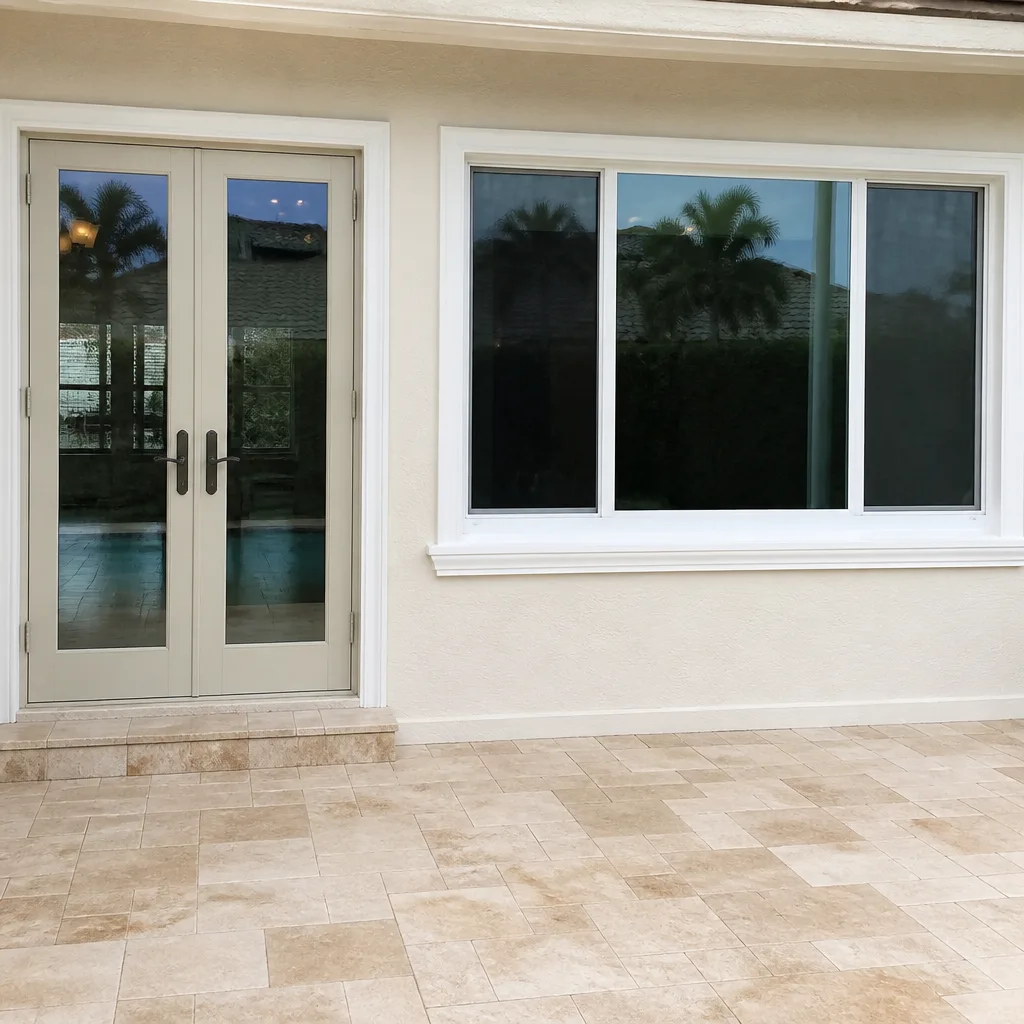 After
The Complete Guide to Windows & Doors in Plantation
Most homeowners in Plantation replace their windows and doors exactly once in the time they own the house. That single decision locks in energy costs, hurricane protection, and daily comfort for the next twenty to thirty years. Get it wrong, and you’ll notice every July afternoon when the south-facing rooms won’t cool and every August storm watch when you wonder if the glass will hold. This guide walks through what actually matters when buying windows and doors in Plantation: the materials, the code requirements, the pricing, the brands worth considering, and the installation details that determine whether a product performs as promised.
Quick Answer
For a typical Plantation home, a mid-range impact window costs between $900 and $1,800 per opening installed, while a quality entry door runs $1,500 to $4,500 depending on material and glass options. The single most important factor is installation quality: a well-installed mid-tier window outperforms a premium window set badly. You’ll get the best long-term value by choosing impact-rated or high-DP-rated products suited to Broward County’s wind zone, and having them installed by a company that measures twice, registers both warranty layers in writing, and stands behind the work.
Table of Contents
- How Plantation’s Climate Dictates Window and Door Choices
- Frame Materials Compared: Vinyl, Aluminum, and Wood
- Impact vs. Standard Windows: What South Florida Really Requires
- Glass Packages That Actually Matter in Plantation
- What Windows and Doors Cost in Plantation
- Installation: Where the Real Difference Gets Made
- Understanding Warranty Layers Before You Sign
- Common Mistakes to Avoid
- When to Call a Professional
- Frequently Asked Questions
- The Bottom Line
How Plantation’s Climate Dictates Window and Door Choices
Plantation sits in Broward County, roughly eight miles inland from the Atlantic. That means two things that shape every window and door decision: relentless UV exposure and a genuine hurricane wind load. The summer sun beats on east-facing glass every morning and west-facing glass every afternoon, while the humidity hovers above 70 percent for half the year. Window frames here don’t just hold glass; they fight salt-tinged air, thermal expansion, and occasional wind-driven rain that finds every gap in a poorly sealed opening.
In our experience across Plantation neighborhoods like Jacaranda, Plantation Acres, and the Fairways, the homes that hold up best share a few common features. They have windows with low-E coatings designed for hot climates, not the generic coatings sold in northern markets. Their frames are mechanically joined rather than heat-welded, because the expansion cycles from day to day eventually weaken welded corners. And their doors are hung with enough clearance to handle the humidity swings that make a cheaply set door bind in July and rattle in January.
Broward County also sits within the High Velocity Hurricane Zone (HVHZ), which carries stricter testing requirements than the rest of Florida’s wind-borne debris region. That’s not a technicality. A window advertised as “impact resistant” in Jacksonville might not meet the pressure and missile-impact standards Plantation’s building department enforces. We’ll cover that in detail below, but it’s the reason we quote manufacturer lines side by side on paper, so homeowners can see exactly which product passes inspection here.
Frame Materials Compared: Vinyl, Aluminum, and Wood
Most Plantation homeowners will choose between vinyl, aluminum, and wood-clad frames. Each has a specific set of strengths in this climate, and the right answer depends on your home’s age, your HOA’s rules, and how long you plan to stay.
Vinyl frames dominate the mid-price range for good reason. They never rot, never need painting, and the multi-chambered extrusions insulate better than plain aluminum. The weakness is direct sun. Dark vinyl absorbs heat and can soften or warp over time in South Florida. If you choose vinyl, choose a light color, and make sure the frame carries a Florida Product Approval Number, not just an Energy Star label.
Aluminum frames work well for large openings and modern homes, and they accept dark finishes without heat distortion. The trade-off is conductivity: aluminum transfers heat into the house unless it has a thermal break, which not every budget line includes. In Plantation, where air conditioning runs nine months a year, unbroken aluminum frames waste real money.
Wood and wood-clad frames bring warmth and character, but they require more discipline. Salt air and humidity punish wood that isn’t properly sealed and maintained. We generally recommend wood-clad products with aluminum or vinyl exteriors for Plantation homeowners who want the interior beauty without the exterior rot risk.
Whatever the frame material, the real test is the installation. A square opening, a plumb frame, and a properly sealed perimeter do more for energy performance than any marketing claim about “multi-chambered design.”
Impact vs. Standard Windows: What South Florida Really Requires
Here’s the rule that trips up first-time buyers in Plantation: if your home is in the HVHZ, any replacement window or door must either be impact-rated or protected by an approved shutter system. You cannot legally install a non-impact window in most Broward County homes unless the opening already has compliant shutters. For homeowners outside the HVHZ boundary, the decision is optional, but the insurance discounts and storm-season confidence make impact glass worth pricing anyway.
Impact windows work through a lamination process. Two panes of glass bond to a polymer interlayer, usually PVB or EVA. When a hurricane throws a branch or a piece of roof tile at the window, the glass may crack, but the interlayer holds the pane together. The window stays in the opening. Wind doesn’t enter the house, so the roof doesn’t lift, and the pressure differential that blows homes apart never forms.
Impact-rated windows also serve double duty as security and noise barriers. After a decade of installing them across Plantation, we’ve heard the same comment repeatedly: homeowners are surprised by how quiet the bedrooms get, especially along Broward Boulevard or University Drive corridors.
When pricing impact products, look for the Florida Product Approval sticker and check the design pressure rating. In Plantation’s wind zone, most openings need a DP rating of ±50 or higher, but the exact figure depends on the opening size and the home’s exposure. A knowledgeable contractor will pull that number from the product approval, not guess it.
Glass Packages That Actually Matter in Plantation
Glass package options read like alphabet soup: Low-E, dual-pane, argon-filled, laminated, tempered, tinted. In Plantation, only a few of those terms carry real weight. Understanding them saves you from paying for features that don’t help in this climate.
Low-E coating is the single most valuable upgrade here. Low-emissivity coatings reflect infrared heat away from the glass. In a hot climate, the right Low-E coating reduces solar heat gain and cuts cooling costs measurably. The important part: ask for a low solar heat gain coefficient (SHGC), under 0.25 if possible. Northern-oriented glass packages optimize for heat retention, which is exactly backwards for Plantation.
Dual-pane construction is standard practice for most replacement windows now. The air or gas gap between panes provides insulation and sound reduction. Argon or krypton gas fills help in cold climates; in Plantation’s heat, the benefit is marginal, so don’t pay a premium for it.
Laminated glass provides impact resistance and is the glass layer in impact-rated windows. It also blocks UV rays, which protects furniture and flooring from fading. That matters in Plantation, where south-facing rooms bleach noticeably within a few years under single-pane glass.
Tempered glass is a safety requirement in specific locations: doors, sidelights, windows near the floor, and windows adjacent to tubs. It shatters into small cubes rather than shards. It is not the same as impact glass and does not meet hurricane code alone.
We quote manufacturer lines side by side on paper so homeowners can see the SHGC, the U-factor, and the DP rating of each product before they choose. That’s the only honest way to compare glass packages.
What Windows and Doors Cost in Plantation
Prices in Plantation run higher than the national average because of the HVHZ code requirements and the logistics of working in a dense, established community. Here’s a current pricing framework based on what we’ve quoted across the city over the past year.
Replacement Window Pricing (Installed)
- Standard single-hung, non-impact: $500 - $900 per window
- Impact-rated single-hung (mid-tier, e.g., ES Windows or PGT): $900 - $1,400 per window
- Impact-rated casement or picture window: $1,200 - $2,000 per window
- Custom-sized impact window, specialty shape: $1,800 - $3,500+ per window
Door Pricing (Installed)
- Standard fiberglass entry door, non-impact: $1,500 - $2,800
- Impact-rated entry door with glass panels: $2,500 - $4,500
- Sliding glass patio door, impact-rated: $3,000 - $6,000
- French door pair, impact-rated: $4,000 - $7,500
These ranges reflect genuine variation: opening size, stucco repair, trim work, and the specific manufacturer all move the number. Andersen, Pella, Marvin, and Milgard each have different price points and different strengths, and we show those lines side by side so the comparison is transparent. A permit adds another $150 to $400 depending on the scope, and in Plantation, pulling a permit is not optional for replacement windows and doors; the building department’s inspection validates the product approval.
For exact numbers on your particular openings, call (772) 577-2915 and we’ll bring the quotes in writing.
Installation: Where the Real Difference Gets Made
A good window installed badly is a bad window. We’ve measured openings in Plantation homes that were out of square by three-quarters of an inch from top to bottom, and we’ve pulled windows installed by fly-by-night crews that were shimmed with folded cardboard. The frame material and glass package matter, but the installation determines whether any of it performs.
Here’s the process a proper installation follows in Broward County:
- Measure every opening twice. Not once. Twice. Width at top, middle, and bottom; height at left, center, and right. The window gets ordered to the tightest dimension, and the gap gets filled properly.
- Verify the product approval. Before the window arrives, the installer checks that the Florida Product Approval Number matches what the building department has on file. No match, no installation.
- Pull the old window and repair the opening. Rotten wood gets cut out, not covered over. The rough opening gets squared and flashed. In an older Plantation home, this is where hidden rot and termite damage surface, and where the price can change if not quoted honestly upfront.
- Set the window plumb and level. Shims go in with a level, not by feel. The frame is screwed through the jambs, never through the head, so the window can flex slightly without binding.
- Seal the perimeter. Backer rod and sealant, not expanding foam, go around the outside. Flashing tape goes over the top flange and under the house wrap. Water gets directed out and down, never in.
- Register the warranties. Both the manufacturer’s warranty and the installer’s workmanship warranty go into the homeowner’s file before the crew leaves. If the paper trail doesn’t exist, the warranty effectively doesn’t either.
- Clean up and walk through. The opening and the room get vacuumed. The homeowner sees how the window operates, learns how to lock it, and signs off before the truck pulls away.
That sequence takes most of a day for a typical five-window replacement, sometimes longer when stucco work or interior trim requires patience. Rushing it saves the installer money, never the homeowner.
Understanding Warranty Layers Before You Sign
Window and door warranties come in layers, and most homeowners only learn the difference after a problem appears. There are two layers that matter: the manufacturer’s warranty on the product, and the installer’s warranty on the labor. If either is vague, the “lifetime warranty” on the brochure means less than it sounds.
The manufacturer’s warranty typically covers the frame, the glass, and the moving hardware for a set number of years. Some cover glass breakage on impact windows; some don’t. Some cover seal failure and argon loss; some require a service fee. The important step is registering the warranty with the manufacturer. Many warranties activate at purchase and run from the date of manufacture, not the date of installation. If a window sits in a warehouse for eighteen months before it goes into your wall, you could lose a year and a half of coverage without knowing it.
The installer’s warranty covers the labor: the flashing, the sealing, the setting, the trim work. If a window leaks because the installer sealed it poorly, the manufacturer won’t cover the repair. That’s the installer’s responsibility. A reputable contractor states the duration in writing and doesn’t ask you to chase them.
TruePane’s approach is the Keystone Standard: both warranty layers registered in writing, durations stated, before the technician leaves the driveway. The Done Right Promise backs the workmanship. If it isn’t done right, we make it right. No paperwork, no arguing, no fine print that covers neither.
Common Mistakes to Avoid
- Choosing windows by price alone. Plantation’s climate and code requirements punish cheap products. A $400 window that fails inspection or leaks in the first storm ends up costing more than the $1,200 window that passes and holds.
- Assuming “impact rated” means “Miami-Dade approved.” Products tested for the wind-borne debris region may not satisfy HVHZ requirements. Verify the Florida Product Approval Number yourself or have the installer do it on paper.
- Skipping the permit. Some homeowners in Plantation try to avoid the permit fee and inspection. That decision voids insurance claims, complicates resale, and leaves no record that the installation met code. The building department isn’t an adversary; it’s the verification system.
- Ignoring the Low-E orientation. Glass tuned for northern climates traps heat. In Plantation, you want low SHGC glass that keeps heat out, not in. The wrong Low-E package makes an air-conditioned room feel like a greenhouse.
- Not measuring the opening before quoting. Estimates based on standard sizes rarely match real openings, especially in Plantation’s older ranch homes. A written quote after physical measurement is the only honest number.
- Leaving the sealant work to chance. Caulk and flashing determine whether water gets inside the wall. Watch for installers who use spray foam as a perimeter seal; it’s an insulation product, not a water barrier.
- Forgetting the HOA approval. Many Plantation communities, including several gated developments and the neighborhoods around the golf course, require architectural review before window and door changes. Starting the HOA paperwork early avoids ordering a product you can’t install.
When to Call a Professional
You should call a professional for any window or door replacement in Plantation where the opening is load-bearing, the product must pass HVHZ inspection, or the existing frame shows signs of rot, termite damage, or water intrusion. You should also call one when impact windows are involved; the safety stakes during a hurricane are too high for a handyman-level install, and the code paperwork requires a product approval trail that casual installers rarely maintain. If you’re feeling drafts, seeing condensation between panes, or noticing doors that bind in humid months, that’s a diagnosis call, not a weekend project.
TruePane Windows & Doors offers free estimates in Plantation. Call (772) 577-2915 and we’ll measure, quote in writing, and walk you through the product approvals before you spend a dollar. A live person answers, 24/7.
Frequently Asked Questions
For a standard impact-rated replacement window in Plantation, expect to pay between $900 and $1,800 per opening installed, with non-impact options starting around $500 and custom shapes running above $2,000. The exact price depends on opening size, frame material, glass package, and permit fees. Call (772) 577-2915 for a written, line-item quote based on your actual openings.
If your home is in Broward County’s High Velocity Hurricane Zone, yes: replacement windows and doors must be impact-rated or protected by approved shutters. Homes outside the HVHZ boundary have more flexibility, but many Plantation homeowners choose impact glass anyway for the insurance discount and storm-season protection.
Impact windows and hurricane windows are the same product by different names: windows with laminated glass that passes missile-impact and pressure-cycle testing. The important distinction is the testing standard; a product listed as “impact resistant” must carry a Florida Product Approval Number that meets HVHZ requirements to be legal in Plantation.
Most window replacements in Plantation finish in a single day for five to eight standard openings, with additional time if stucco or interior trim needs repair. Larger projects, like full-home replacements with doors, run two to four days. The inspection happens separately, usually within a week of the install.
Yes, but the amount depends on what you’re replacing. Single-pane aluminum windows, common in older Plantation homes built before 1990, leak significant heat. Replacing them with low-E, dual-pane, properly sealed windows typically cuts cooling costs by 15 to 25 percent, sometimes more on west-facing elevations.
We install more than a dozen manufacturer lines and quote them side by side so you see the differences in writing. Andersen, Pella, Marvin, and Milgard all offer strong products, but the right choice depends on your opening sizes, budget, and HOA rules. We’ll show you the options on paper and let the product approvals and pricing do the talking.
The Bottom Line
Windows and doors in Plantation are a decades-long commitment. Choose products that pass Broward County’s HVHZ standards, pay attention to the glass package rather than the marketing language, and never accept an installation that isn’t measured twice, sealed properly, and documented with registered warranties. The difference between a good window and a great window is often the installer, not the glass. At TruePane Windows & Doors home, we’ve been setting windows square in Plantation, and we stand behind every opening we close. If you’re planning a replacement, call (772) 577-2915 for a free estimate. We’ll be there when we say, quote it in writing, and make sure the pane is true before the job is done.
Written by the team at TruePane Windows & Doors.
Six Reasons Homeowners Choose TruePane Windows & Doors
Impact systems engineered to design pressures up to +/-100, matched to your wind zone - your openings hold when the storm arrives.
Low-E insulated impact glass from our manufacturer lines commonly cuts monthly cooling bills 20-30%.
Laminated impact glass shuts out up to 40% of outside noise - traffic, neighbors, weather.
Monitoring services run $30-90 a month. Laminated impact glass resists forced entry around the clock, with no subscription.
Florida homeowners average around 25% savings on the windstorm portion of their policy after protecting every opening - some homes qualify for more.
A full impact package upgrades curb appeal, buyer confidence and appraised value in one project.