
Last updated August 25, 2026
Free in-home measure and quote - PGT, CGI and CWS impact lines compared on your actual openings, style by style
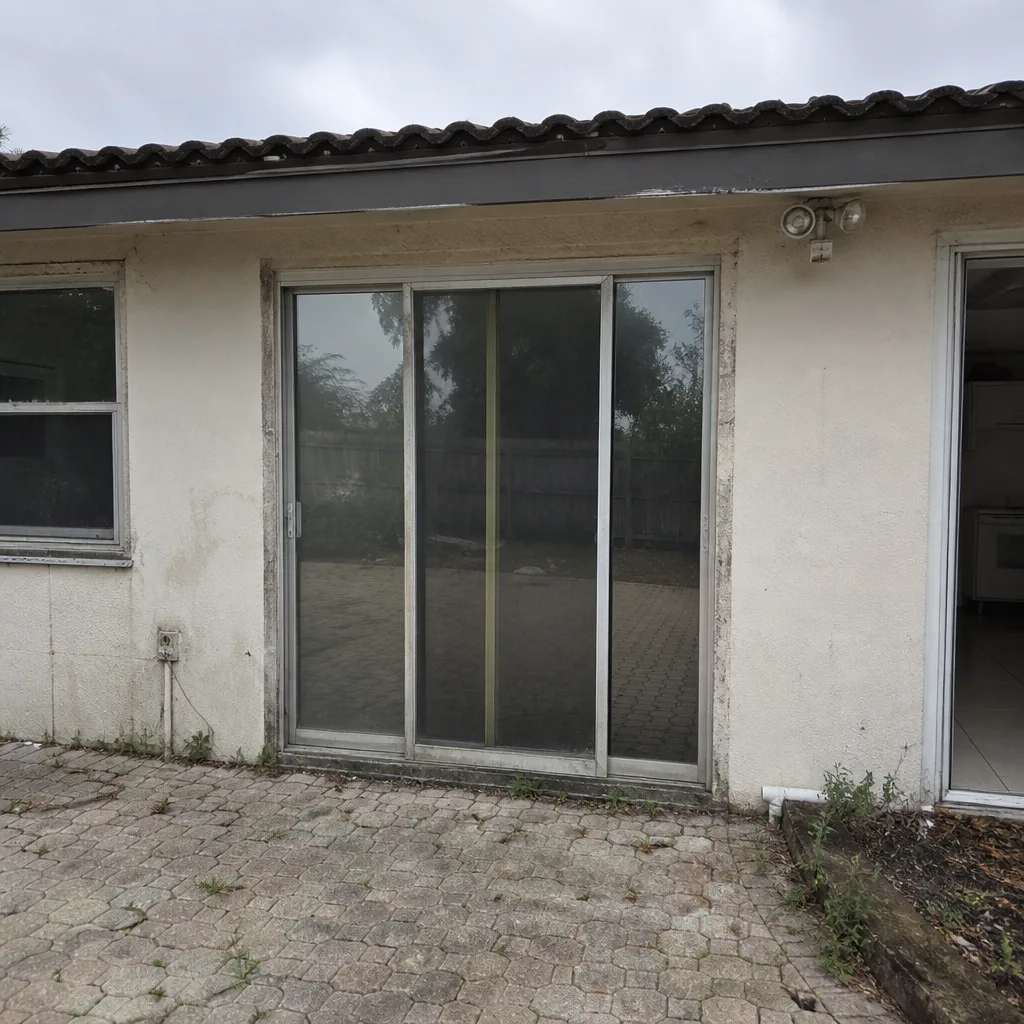
Sliding glass doors
Impact garage doorsPGTCGI
 Before
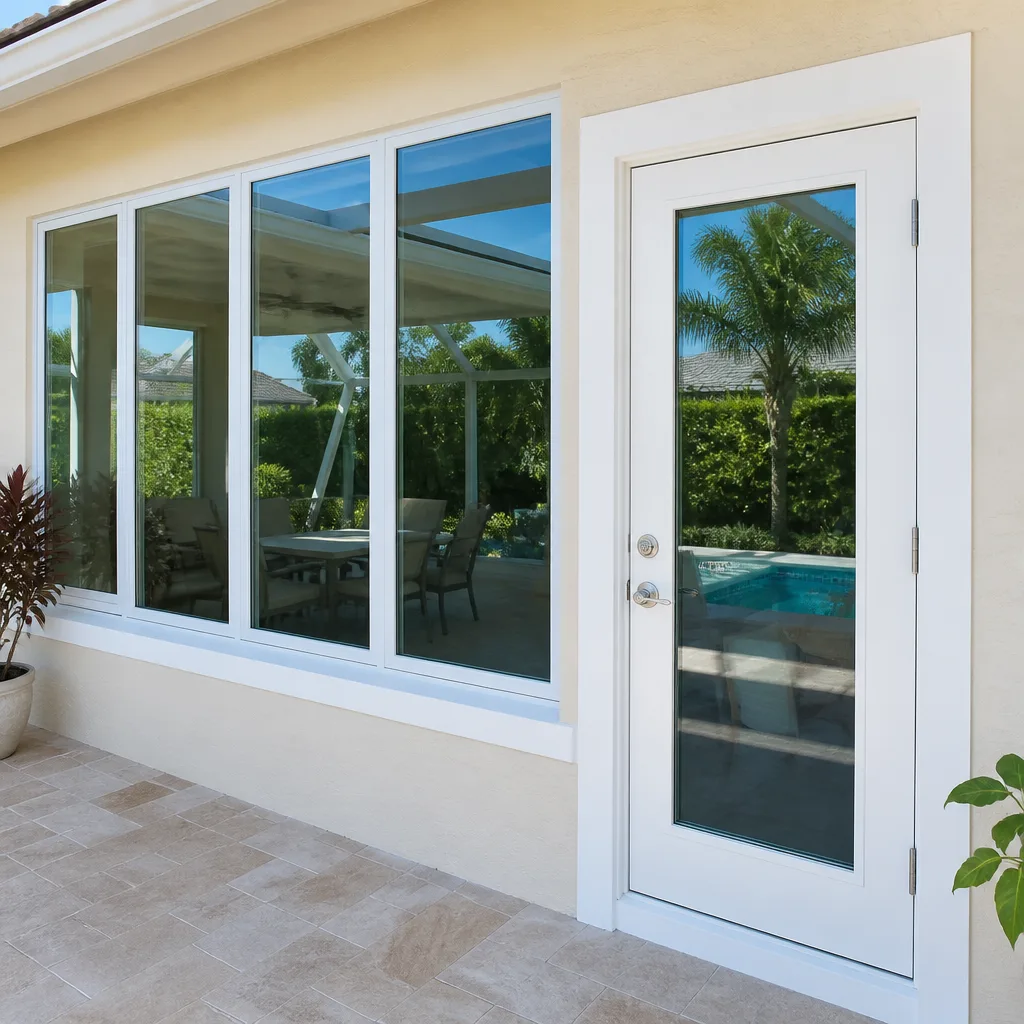 After
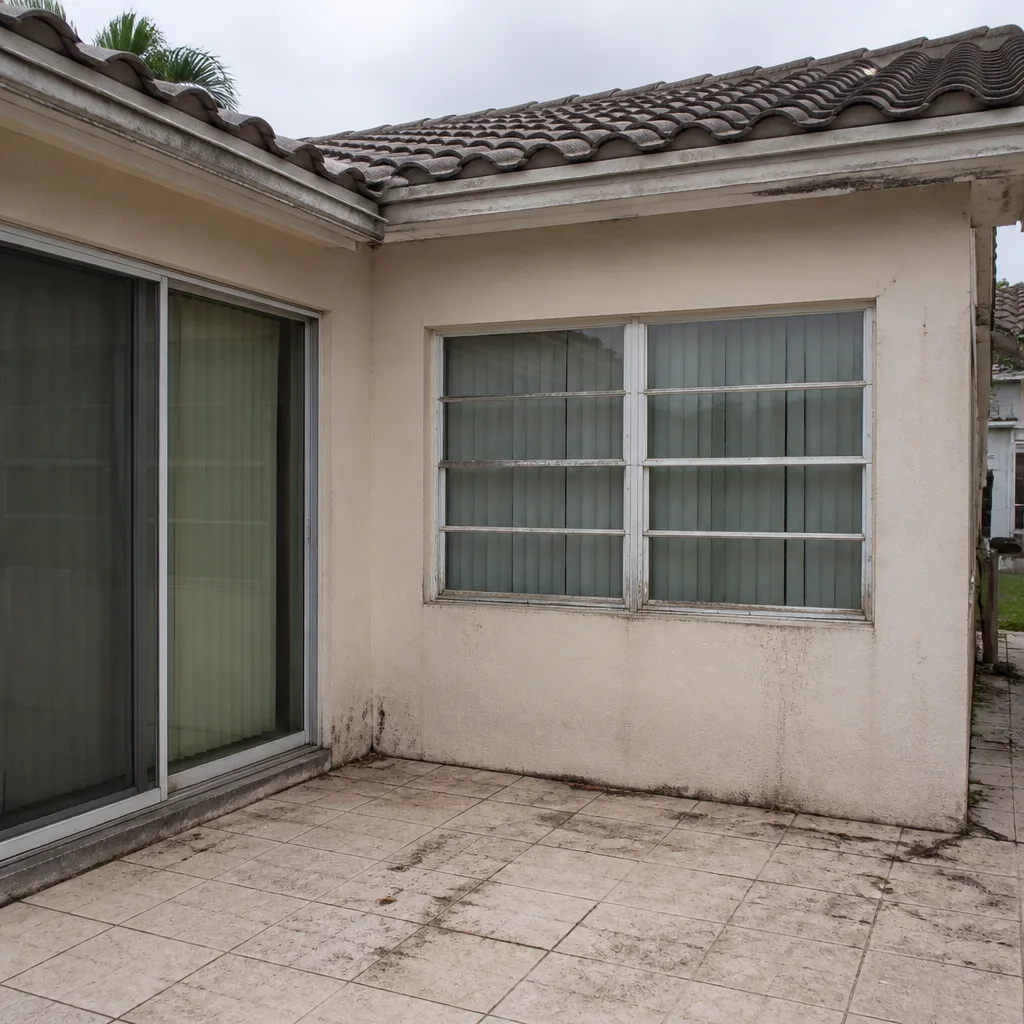 Before
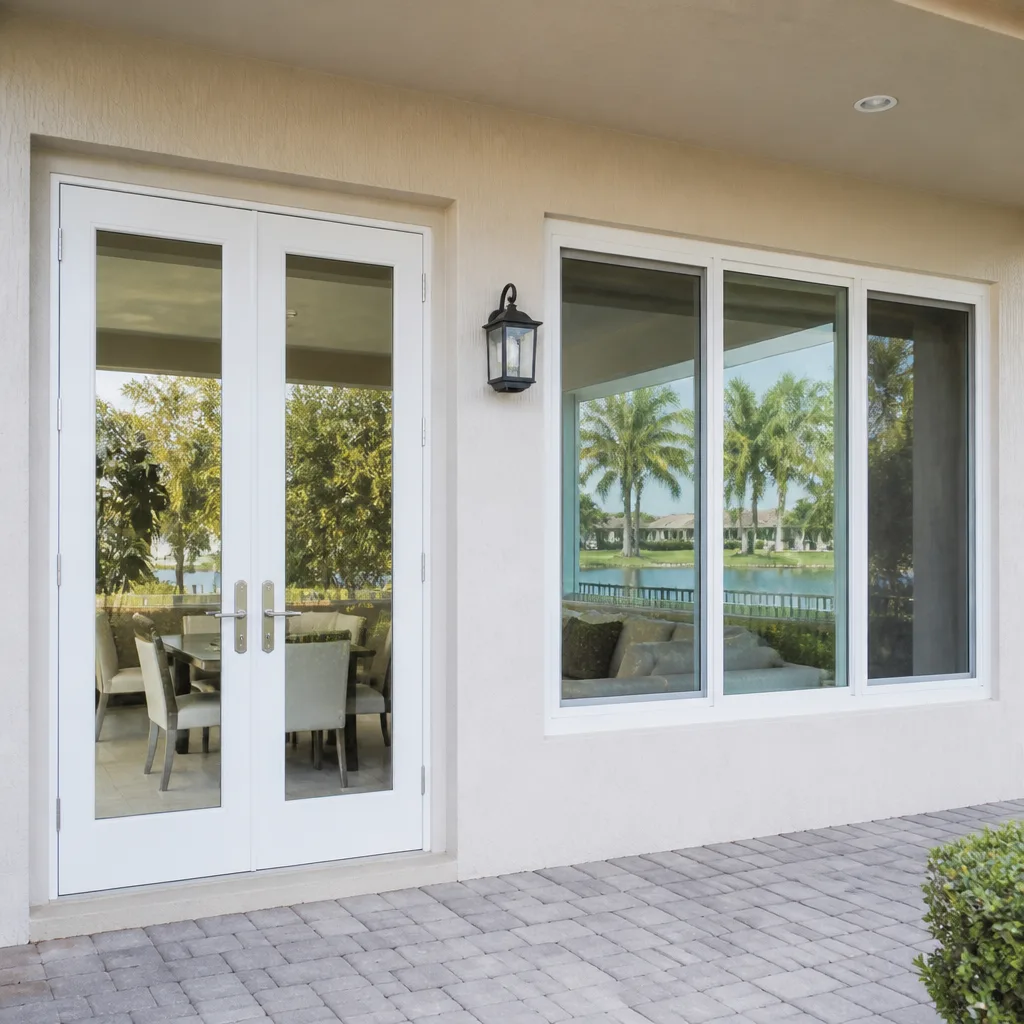 After
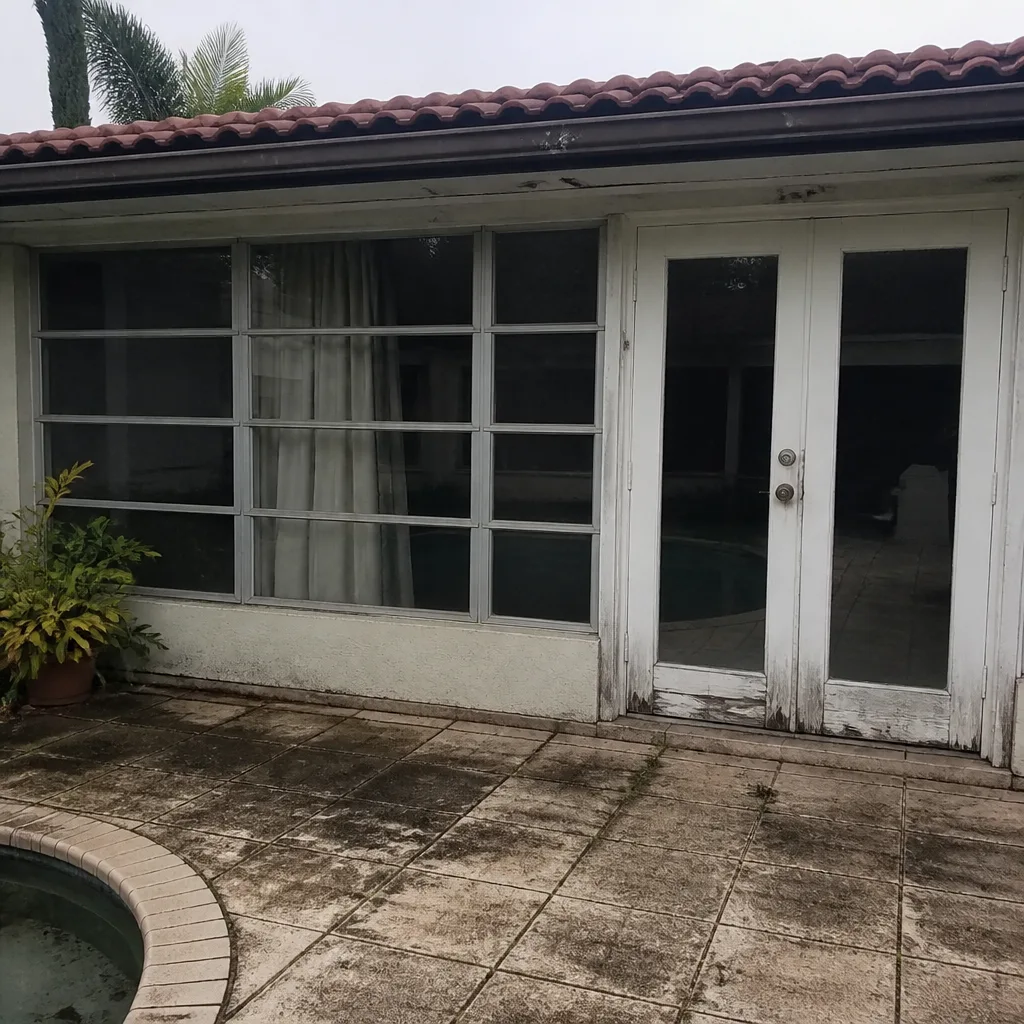 Before
 After
DIY vs Professional Windows & Doors: The Plantation Homeowner’s Decision Guide
Most Plantation homeowners who attempt their own window replacement spend more money fixing the result than they would have spent hiring a professional in the first place. That’s not marketing talk; it’s what we see when we’re called out to inspect failed DIY installs on houses built in the 1970s and 1980s, where one out-of-square rough opening or a misread flashing detail turns a Saturday project into a structural problem. This guide walks you through when a window or door job is genuinely within a careful homeowner’s reach, when it is not, and what the decision looks like for homes in Plantation specifically, where humidity, afternoon thunderstorms, and hurricane code shape every answer.
Quick Answer
For most Plantation homeowners, weatherstripping, caulking a drafty frame, replacing a screen, or lubricating a sliding door track are reasonable DIY jobs. Removing and replacing a window sash, an exterior door, or impact-rated glass is not; those jobs require flashing, shimming, and code compliance that are expensive to get wrong. The honest guideline is this: if the repair is surface-level and reversible, DIY makes sense; if the opening is being touched, call a professional.
Table of Contents
- What DIY Actually Costs in Plantation
- Plantation Code, Permits, and Wind Loads
- Humidity, Salt Air, and Why Seals Fail Fast Here
- The 5 Jobs a Plantation Homeowner Can Safely Do
- The 5 Jobs That Require a Licensed Pro
- The Warranty Reality Most Homeowners Miss
- Cost Comparison: DIY vs Professional in Plantation
- Common Mistakes to Avoid
- When to Call a Professional
- Frequently Asked Questions
What DIY Actually Costs in Plantation
Homeowners tend to price a window replacement by looking at the window unit itself. A double-hung vinyl window for a standard Plantation home might run $170 to $400 at a big-box store. That’s the number people anchor on. But a proper installation requires flashing tape, shims, low-expansion foam, caulk rated for South Florida humidity, and often a new interior trim kit because the old one breaks coming out. Those materials add $60 to $120 per opening. Then there’s the disposal fee for the old window, unless you’re willing to haul it to the county facility yourself.
The bigger number most people don’t price is the cost of correcting a mistake. We have been called to homes in Plantation Acres where a homeowner removed an original jalousie window, installed a new unit without a sill pan, and six months later had water running down the interior drywall behind the baseboard. The window cost $240. The mold remediation, drywall repair, and reinstallation cost $2,800. That’s an extreme case, but the pattern is consistent: DIY installs fail most often at the waterproofing, not the glass.
Time is the other hidden cost. A first-time window install, working alone, commonly takes six to nine hours per opening including trim work and cleanup. A homeowner who does three windows over a weekend has spent the better part of two days on a job a professional crew finishes in a morning. For homeowners in Plantation who are retired or semi-retired, that time has real value, and it’s worth pricing honestly before deciding the DIY route saves anything at all.
Plantation Code, Permits, and Wind Loads
Plantation sits in Broward County’s High Velocity Hurricane Zone. That is not a suggestion. Windows and exterior doors installed in Plantation must meet Florida Building Code requirements for wind-borne debris protection, which means either impact-rated glass or openings protected by an approved shutter system. The code applies to replacement windows, not just new construction. If you pull a permit, the inspector will check for it. If you don’t pull a permit, the unpermitted work becomes a disclosure problem when you eventually sell the house, and a rejected claim if an insurer discovers it after a storm.
Here’s what the permitting process looks like for a window or door replacement in Plantation:
- Submit a permit application to the City of Plantation Building Department with product approval documents for the specific window or door model being installed.
- Pay permit fees based on the valuation of the work.
- Install the window or door per the manufacturer’s installation instructions and the Florida Building Code.
- Pass the rough inspection if the opening is being modified, or the final inspection once the unit is set, flashed, and trimmed.
- Obtain the final sign-off and keep the permit record for future sale or insurance documentation.
A licensed contractor handles all of this as part of the job. A homeowner doing the work themselves is legally allowed to pull an owner-builder permit in Florida, but they assume full liability for code compliance, and they cannot delegate the permit to a handyman. That liability is real: if the window fails during a storm and water damages the house, the insurer will ask who installed it and whether it was permitted.
In our experience across Plantation, Plantation Acres, and the neighborhoods west of University Drive, the homes most likely to have unpermitted window work are the ones built in the 1960s and 1970s that have been through multiple owners. We find windows screwed directly into stucco with no flange, no pan, and no permit record. It’s the first thing we check when a homeowner calls about a leak.
Humidity, Salt Air, and Why Seals Fail Fast Here
Plantation’s climate is hard on windows in ways that don’t apply in most of the country. The average humidity runs above 70 percent most of the year. Afternoon thunderstorms dump an inch of rain in thirty minutes. And for homes east of University Drive, the Atlantic salt breeze is a constant, even four miles inland. All of this means window seals, weatherstripping, and flashing fail faster here than they do anywhere else a homeowner might have lived before retiring to South Florida.
A failed seal in a double-pane window shows up as fogging between the glass panes. It’s common in Plantation homes after eight to twelve years, especially on west-facing windows that get the full force of the afternoon sun. Once the seal fails, the insulating gas escapes and the window loses most of its thermal efficiency. The glass itself may not be cracked, but the unit is no longer doing its job. This is not repairable from the outside. The insulated glass unit has to be replaced.
Weatherstripping is a different story. It’s a surface component, it wears out in the humidity, and it is one of the few window repairs where a careful homeowner can do the job themselves with results that last. The key is buying the right replacement profile. Most older windows in Plantation use either compression bulb seals or V-strip weatherstripping, and the wrong material leaves gaps that let in warm, damp air. This is the kind of detail where a thirty-second look from someone who has done it a hundred times saves a trip to three hardware stores.
The 5 Jobs a Plantation Homeowner Can Safely Do
There is a real list of window and door tasks where a careful Plantation homeowner with basic tools can do the job well and save real money. These are surface-level tasks that don’t touch the structural opening, don’t risk the waterproof envelope, and can be corrected easily if something goes wrong. Here’s the honest list.
- Replacing worn weatherstripping. Peel off the old strip, clean the channel, press in the new one. A $12 roll and thirty minutes per window. The main skill is buying the right profile, not installing it.
- Caulking a drafty frame. If air is coming in around the exterior casing or the interior trim, a tube of elastomeric caulk rated for coastal humidity closes it. Cut the tip carefully, tool the bead with a wet finger, and let it cure overnight before painting.
- Replacing a window screen or spline. Screens in Plantation degrade fast under UV. New screen mesh and spline cost under $20 per window. A roller tool makes the job clean, and the result is immediately visible.
- Lubricating and adjusting sliding door rollers. Sliding glass doors that bind or drag usually have dirty or misaligned rollers, not broken ones. Cleaning the track and adjusting the roller screws at the bottom of the door panel restores smooth operation in most cases.
- Tightening hardware. Loose hinges on a French door, a sagging door closer, a loose handle set. All of these are five-minute fixes with a screwdriver and an Allen key. The key is catching them before the slop wears the hardware out entirely.
None of these jobs requires a permit, none of them risks the home’s structural envelope, and all of them are reversible. That’s the line. When a task can be redone without consequence, DIY makes sense. When a botched attempt means opening a wall or reflashing a rough opening, it does not.
The 5 Jobs That Require a Licensed Pro
The threshold where DIY becomes a serious risk is well-known to anyone who has been in the glazing trade for long. It is not about skill alone, though skill matters. It’s about liability, code, and the fact that certain mistakes cannot be seen until water has been finding its way in for months. Here are the jobs we tell Plantation homeowners to leave alone.
- Full window replacement. Removing the old frame, setting a new unit square and level, flashing it correctly, and trimming it out is the job where we see the most expensive DIY failures. A window that is one degree out of level will bind, leak, or both.
- Impact window or door installation. Impact-rated units are heavy. A standard 40-by-60-inch impact window weighs 80 to 120 pounds, and it must be set precisely into an opening sized for the product approval. Drop it, and you’re buying a new one. Set it wrong, and the rating is void.
- Exterior door slab or frame replacement. Exterior doors in Plantation must be weatherproof, square, and secure. A pre-hung door replacement involves removing interior and exterior trim, shimming the frame, sealing the sill, and restoring the weather barrier. It is a two-person job even for professionals.
- Glass replacement in a broken window or sliding door. Broken glass, especially tempered or impact glass, is dangerous to handle. The shards from a shattered patio door can weigh pounds and have sharp edges that cut through work gloves. A pro carries replacement glass in a rack and has the tools to set it without injury.
- Any repair that requires structural modification. Enlarging a window opening, converting a window to a door, or installing a wider sliding door all require a header evaluation, a permit, and a plan. These are structural projects, not window projects.
Each of these jobs has something in common: if the work fails, the failure is expensive, dangerous, or both. The cost of hiring a professional for any of them in Plantation is lower than the cost of the most common failure mode. That’s not always true in home improvement. For windows and doors in South Florida, it is.
The Warranty Reality Most Homeowners Miss
Window warranties are two-layer documents, and most homeowners only ever see one layer. The first layer is the manufacturer’s warranty on the window unit itself: glass, frame, hardware. The second layer is the installation workmanship warranty, which is whatever the installer provides. Here’s what we know from decades of warranty claims in Plantation: the installation layer is where fights happen, and it’s the layer DIY eliminates entirely.
When a homeowner installs their own window and the glass fails two years later, the manufacturer’s warranty covers the glass unit, but not the labor to replace it. The homeowner is out the time and the second install is on them. When a contractor installs a window and the glass fails, the manufacturer covers the unit, and the contractor’s workmanship warranty covers the labor to swap it. That’s the practical difference, and it’s worth real money.
There’s a second issue specific to Florida: many window manufacturers require installation by an authorized installer for the warranty to be fully valid. The fine print varies by brand, but the principle is consistent across Andersen, Pella, Marvin, and Milgard. A window set by an unlicensed handyman or a homeowner is often covered only for the glass, not the frame, because the manufacturer cannot verify the install was done to spec. We register both warranty layers in writing before our team leaves the driveway.
For a Plantation homeowner weighing DIY, the warranty question is worth asking before the first screw comes out. “If this fails in two years, who pays to fix it?” The honest answer for DIY work is usually: you do.
Cost Comparison: DIY vs Professional in Plantation
Here’s a realistic breakdown of what common window and door jobs cost in Plantation, comparing the true DIY cost, including materials, permits where applicable, and disposal, against a professional installation with warranty. These are market ranges for standard vinyl or aluminum units on typical Plantation homes, not quotes, and they vary by opening size, access, and condition.
- Replace weatherstripping on 6 windows: DIY $75, professional $180-$260
- Replace one double-hung vinyl window (standard size): DIY $240-$520 (unpermitted), professional $850-$1,400 installed and permitted
- Replace one impact-rated window: DIY not recommended, professional $1,500-$2,800 installed and permitted
- Replace a sliding patio door: DIY $800-$1,200 plus disposal and a two-person lift, professional $2,200-$4,000 installed and permitted
- Replace sliding door rollers: DIY $25-$60, professional $120-$200
- Replace a front entry door with pre-hung unit: DIY $500-$900, professional $1,800-$3,500 installed and permitted
The difference between the DIY and professional numbers is not profit markup. Most of it is permitting, the labor of two trained installers for a day, disposal, warranty registration, and the equipment to handle glass safely. For impact-rated units, the professional number also includes the liability of installing a product that is advertised to protect the home in a hurricane. That’s a claim worth having someone else stand behind.
Common Mistakes to Avoid
- Skipping the permit on a replacement window. Unpermitted window work in Plantation creates a disclosure problem at sale and a coverage problem with your insurer. It also signals to the next buyer that other corners may have been cut.
- Using interior caulk on exterior surfaces. Interior caulk doesn’t have the UV and moisture resistance that Plantation’s humidity demands. It fails in six months and the leak returns, usually worse.
- Shimming a window with whatever wood is lying around. Improper shims compress unevenly under the weight of the window, and the unit slowly goes out of square. The symptom is a sash that sticks in summer and rattles in winter.
- Forgetting the sill pan. A sill pan is the sloped, waterproof membrane under the window that channels water out instead of into the wall. Skipping it is the single most common cause of stucco leaks around replacement windows in Plantation.
- Assuming impact glass means impact installation. Impact-rated glass in a non-impact frame, set with standard anchor spacing, does not protect the home. The product approval applies to the entire assembly as listed, not the glass alone.
- Buying the cheapest window without checking the local requirements. A window sold in Plantation is not necessarily a window approved for wind-borne debris protection in a High Velocity Hurricane Zone. The label matters.
When to Call a Professional
Call a professional when the job involves removing an existing window or door from its frame, when the glass is broken and needs handling, when a permit is required, or when the damage is inside a wall or under a sill and you can’t see the full extent of it. These are the conditions where DIY mistakes stop being cosmetic and start being structural. TruePane Windows & Doors offers free estimates in Plantation, we’ll come out, look at the opening, and tell you honestly whether the job is worth hiring out or whether we’d do it ourselves if it were our house. Call (772) 577-2915 and a live person answers.
Frequently Asked Questions
Yes, most window and exterior door replacements in Plantation require a permit because the city is in a High Velocity Hurricane Zone and the work must comply with Florida Building Code wind-load requirements. A licensed contractor pulls the permit as part of the job; a homeowner doing the work themselves must pull an owner-builder permit and accept liability for code compliance. Call (772) 577-2915 and we can tell you in two minutes whether your specific project needs one.
A standard vinyl double-hung window installed professionally in Plantation typically runs $850 to $1,400, while an impact-rated window runs $1,500 to $2,800 depending on size, frame material, and manufacturer. The full range for most whole-home replacements runs from $12,000 to $30,000 depending on the number of openings and the product line. Call (772) 577-2915 for a free, written, line-item estimate on your specific windows.
Technically, a homeowner can pull an owner-builder permit and attempt it, but we do not recommend it. Impact windows are heavy, the product approval depends on precise installation, and an improper install voids the rating you’re paying for. A failed impact window during a storm is not a warranty issue at that point; it’s a water intrusion problem. Call (772) 577-2915 and we’ll walk you through what a proper impact install involves.
Fogging between the panes means the insulated glass seal has failed, which is common in Plantation due to constant humidity and west-facing sun exposure. The glass unit, not the full window, must be replaced. It’s a job a professional does in about an hour per opening. Call (772) 577-2915 for an exact quote; the repair may be covered under your window’s warranty if it’s been registered.
It can, especially if the work is unpermitted and a later storm causes water damage that is traced back to the window. Florida insurers have gotten stricter about unpermitted work in the past decade, and a claim can be denied if the installation cannot be verified as code-compliant. A professional install with a permit record and warranty registration gives your insurer fewer reasons to push back.
Most window replacement jobs in Plantation take one day for a handful of windows and two to four days for a whole-house project, depending on the number of openings and whether the old units need significant frame repair. We measure twice, quote manufacturer lines side by side on paper, and register both warranty layers before we leave the driveway. Call (772) 577-2915 to schedule a free estimate.
The Bottom Line
The DIY versus professional decision comes down to one question: what’s the worst thing that happens if I get this wrong? For weatherstripping, a screen, or a sticky door roller, the answer is a trip back to the hardware store. For a replaced window, an exterior door, or impact glass, the answer is water inside the walls of a Plantation home, unpermitted work that complicates a future sale, and an insurer that may not cover the damage. That’s the honest math. When you’re ready for an estimate, call TruePane Windows & Doors at (772) 577-2915. A live person answers, we show up when we say, and if the pane is not true, the job is not done.
Written by the team at TruePane Windows & Doors.
Six Reasons Homeowners Choose TruePane Windows & Doors
Impact systems engineered to design pressures up to +/-100, matched to your wind zone - your openings hold when the storm arrives.
Low-E insulated impact glass from our manufacturer lines commonly cuts monthly cooling bills 20-30%.
Laminated impact glass shuts out up to 40% of outside noise - traffic, neighbors, weather.
Monitoring services run $30-90 a month. Laminated impact glass resists forced entry around the clock, with no subscription.
Florida homeowners average around 25% savings on the windstorm portion of their policy after protecting every opening - some homes qualify for more.
A full impact package upgrades curb appeal, buyer confidence and appraised value in one project.