
Last updated August 27, 2026
Free in-home measure and quote - PGT, CGI and CWS impact lines compared on your actual openings, style by style
Sliding glass doors
Impact garage doorsPGTCGI
 Before
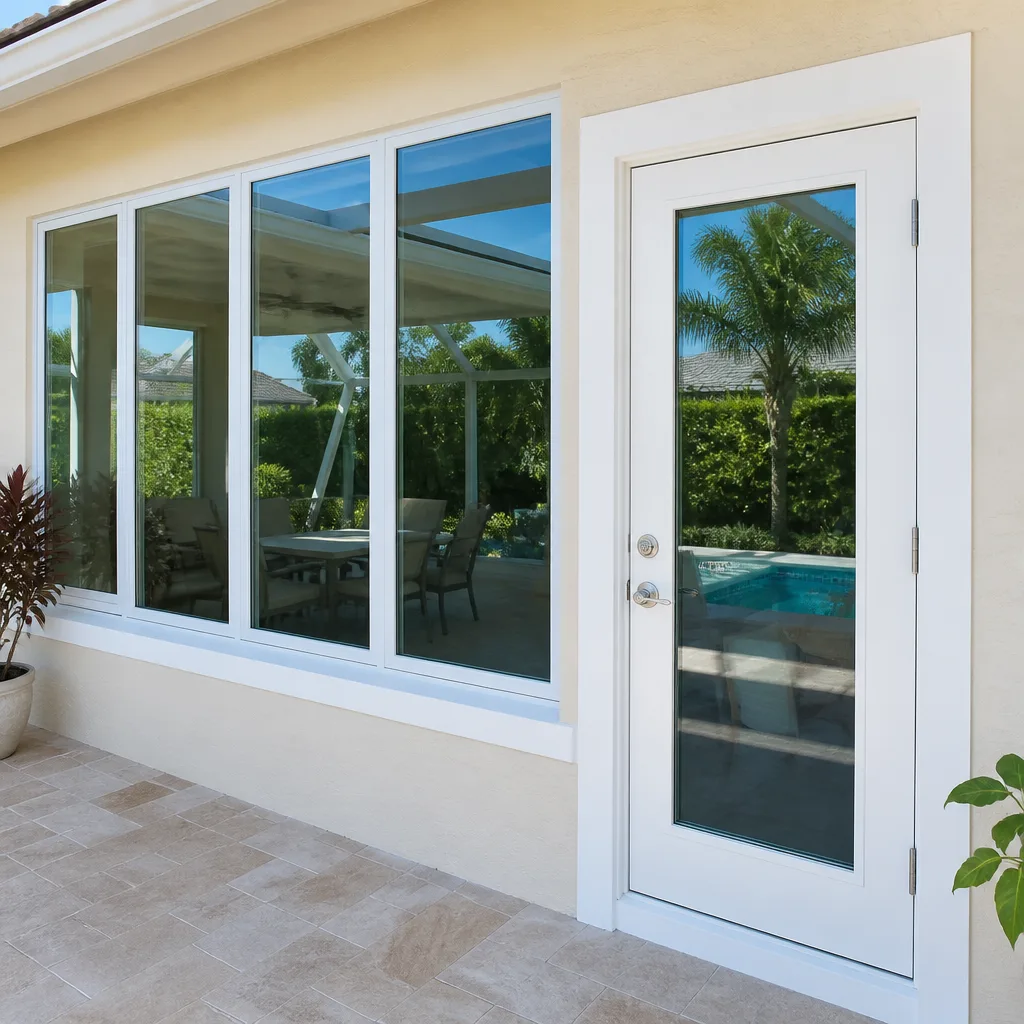 After
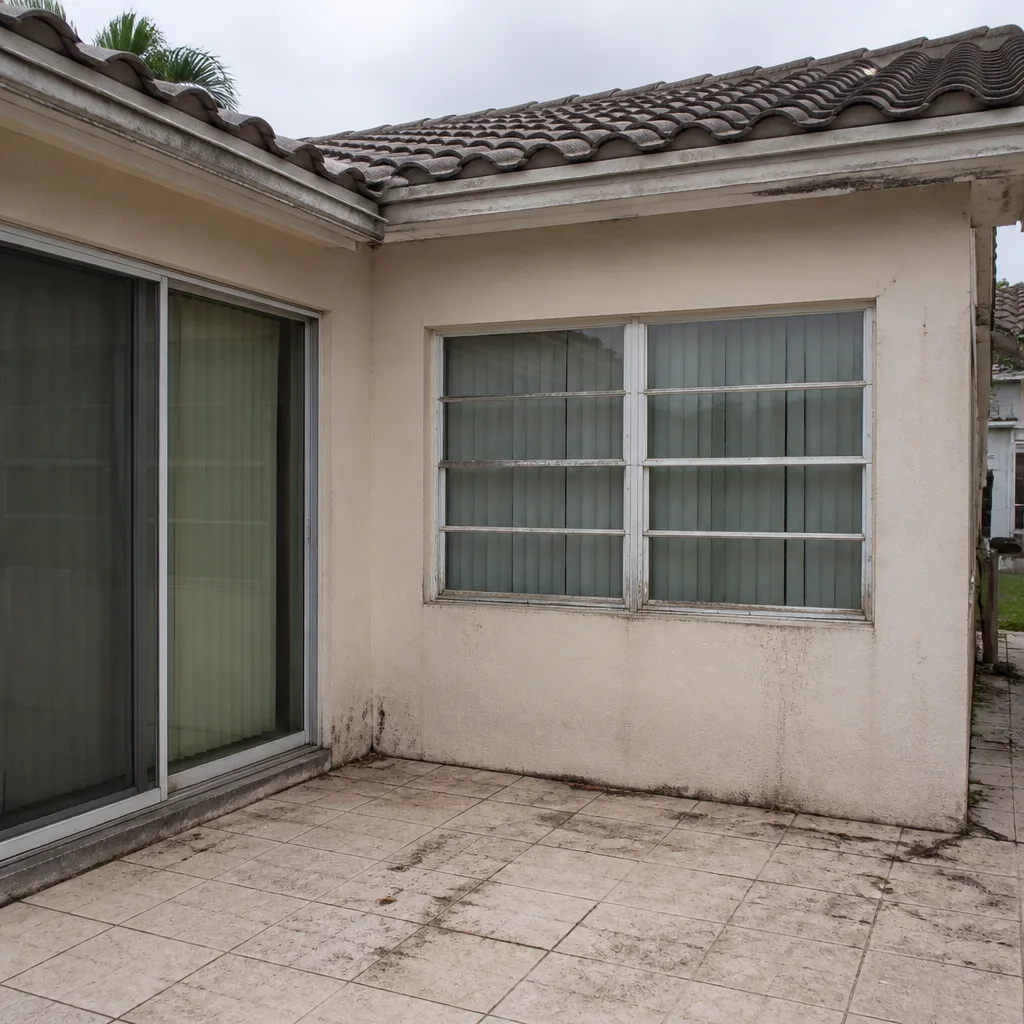 Before
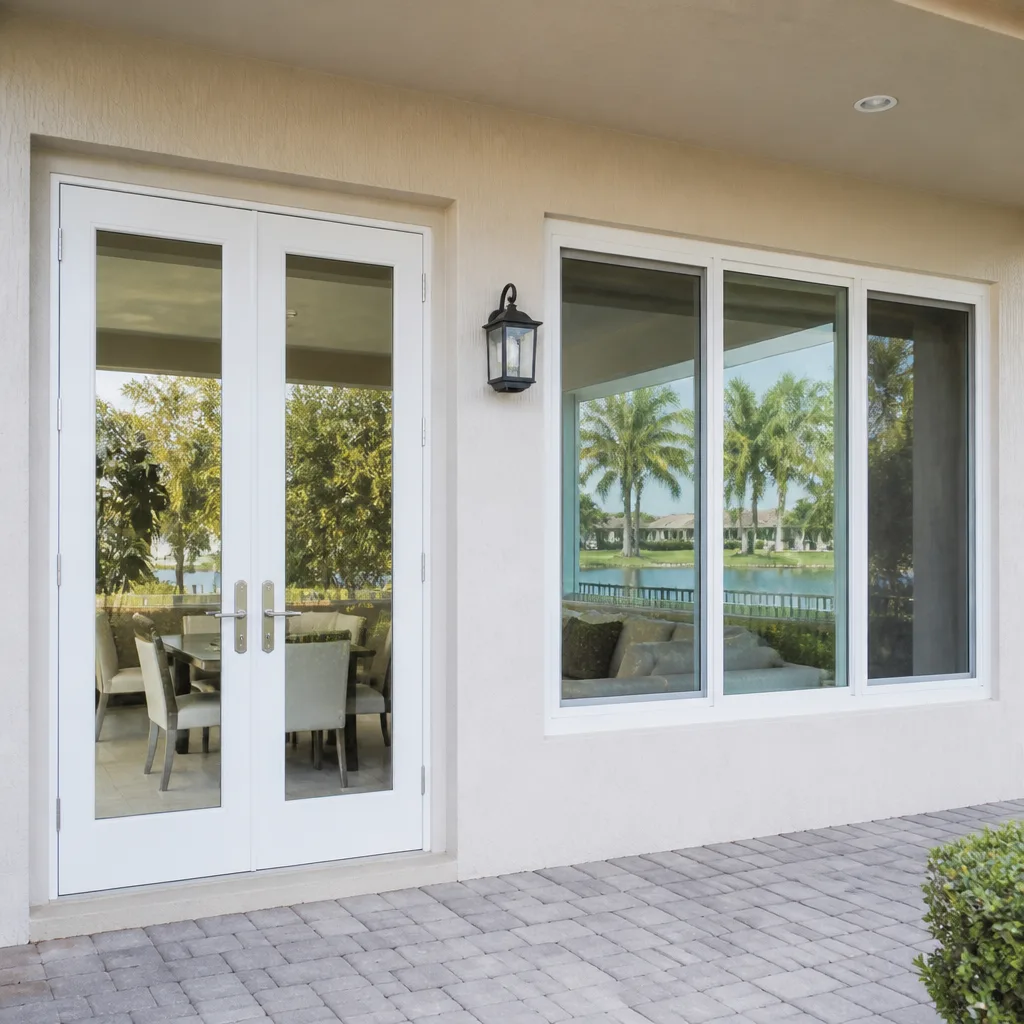 After
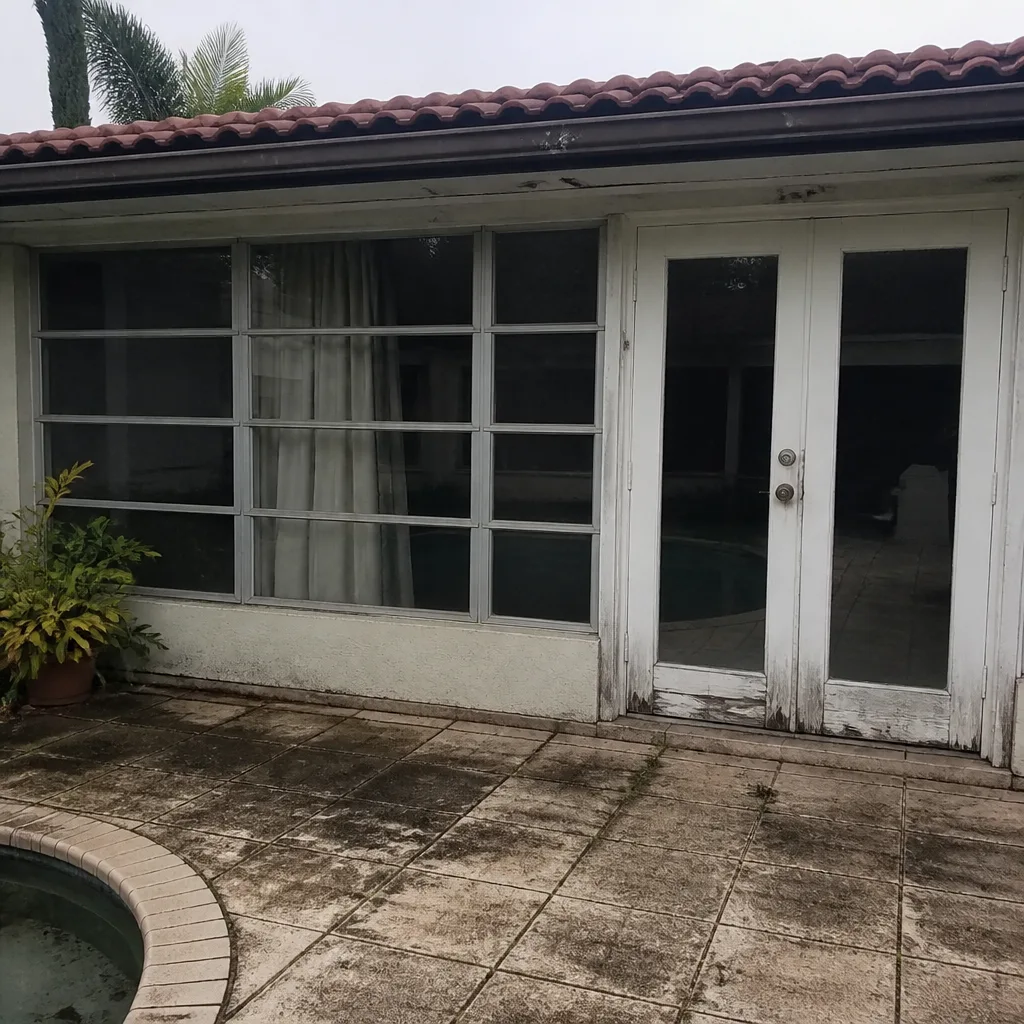 Before
 After
Seasonal Windows & Doors Care for Plantation: Year-Round Homeowner’s Guide
Most window and door failures in South Florida don’t start with a hurricane. They start with a quiet spring afternoon, a bead of condensation that shows up in February and never quite leaves, or a sliding door that needs a firmer shove in August than it did in January. Plantation’s subtropical climate subjects every opening in your home to a combination that would humble most building materials: relentless UV exposure, 60-plus inches of annual rainfall, salt-laden air drifting in from the Atlantic, and humidity that hovers near 80 percent for half the year. This guide walks through what actually happens to windows and doors in Plantation across all four seasons, what you can handle yourself, and what deserves a trained eye before a small problem becomes a five-figure replacement.
Quick Answer
In Plantation, seasonal window and door care means four things: clean and inspect tracks and weatherstripping every three months, check seals and caulking after every heavy rain event, lubricate rollers and hinges twice a year, and schedule a professional inspection before hurricane season each May. Most homeowners can handle the first three in under an hour per season. The fourth one – a trained inspection of frames, seals, and impact ratings – is where a second-generation glazier’s eye catches what a ladder and a flashlight miss.
Table of Contents
- Spring: Post-Salt, Pre-Hurricane Inspection
- Summer: Humidity, Condensation, and Swollen Frames
- Fall: Post-Storm Assessment and Seal Repair
- Winter: Dry Air, Gaps, and Energy Leaks
- Impact Windows and Doors: Seasonal Care Specifics
- Track and Hardware Maintenance: The 20-Minute Routine
- Warranty Protection: What Seasonal Neglect Actually Costs
- Common Mistakes to Avoid
- When to Call a Professional
- Frequently Asked Questions
- The Bottom Line
Spring: Post-Salt, Pre-Hurricane Inspection
Spring in Plantation is the season that separates homes that survive hurricane season from homes that don’t. The dry season is winding down, and the salt that winter winds pushed into every exterior seam has had months to work on your caulking and weatherstripping. We recommend a full exterior walk-around in late April or early May, before the afternoon thunderstorms become a daily event.
Start with the bottom corners of every window frame. Salt and debris collect there first, and in Plantation’s older neighborhoods – Plantation Acres, Country Club Estates, and the homes along Broward Boulevard built in the 1960s and 70s – those corners are where aluminum frames have been quietly corroding for decades. Look for white, chalky residue on the metal, which signals the anodized finish is failing and the raw aluminum underneath is oxidizing. That oxidation expands, which is why older windows in Plantation often bind in the frame for no apparent reason.
Run this spring checklist:
- Inspect all exterior caulking around window and door frames. Look for cracks, gaps, or sections where the caulk has pulled away from the stucco. Florida sun bakes caulk brittle in 18 to 24 months.
- Test every window’s operation. Open and close each window twice. Listen for grinding, feel for resistance. A window that needs muscle to open in May will need a replacement track by September.
- Check weep holes. Every horizontal sliding window and door has small drainage slots at the bottom of the outer track. In Plantation, those holes clog with dirt, pollen, and the fine sand that blows in from construction sites. Clear them with a pipe cleaner or compressed air.
- Examine screens for tears and loose spline. Torn screens let in the no-see-ums that own the early mornings in Plantation from April through October.
- Test impact-rated openings. If you have impact windows or doors, verify the laminated glass hasn’t developed any edge delamination. Look at the glass edges where they meet the frame. Cloudiness or whitening at the edges means the interlayer is separating from the glass.
Spring is also the right time to schedule a professional inspection if you haven’t had one in more than two years. In our experience serving Plantation homeowners, we’ve found that roughly one in five homes we inspect in April has a seal failure the owner hasn’t noticed, because interior condensation in spring is rarer than in summer and the early stages of seal failure are subtle. A failed seal means the insulating gas between glass panes has escaped and the window’s energy performance is gone, even if the glass still looks clear. We offer free estimates in Plantation and our technicians measure every opening twice before quoting anything, so there’s no pressure and no cost to find out where your windows stand before hurricane season starts.
Summer: Humidity, Condensation, and Swollen Frames
Summer is when Plantation’s climate does its most aggressive work on windows and doors. From June through September, relative humidity rarely drops below 70 percent, and the afternoon thunderstorms deliver an inch of rain in 45 minutes. Wood frames – common in Plantation’s custom homes and the higher-end neighborhoods like Jacaranda and Plantation Hills – absorb that moisture and swell. Vinyl frames expand in the heat. Aluminum frames conduct heat so efficiently that the interior frame surface can reach 120 degrees on an August afternoon.
The result is a season of doors that stick and windows that protest. A sliding glass door that glides smoothly in February may need two hands in July. This isn’t a defect. It’s thermal expansion plus humidity absorption, and it’s most pronounced on west-facing openings that catch the brutal late-afternoon sun Plantation gets from roughly 3 to 7 p.m. in summer.
Interior condensation is the other summer signature. Here’s the technical explanation, stripped of sales language: warm, moist air holds more water vapor than cool air. When Plantation’s humid outdoor air makes contact with an air-conditioned window pane, the air temperature drops to the dew point and water condenses on the glass. If you’re seeing condensation between the panes of a double-pane window – not on the room-side glass, but between the two panes – that’s not humidity. That’s a failed seal, and no amount of dehumidifier use will fix it. The window has lost its insulating gas fill and needs glass replacement or a full sash replacement, depending on the frame type.
What to do every summer month:
- Wipe down window tracks monthly. Rainwater blows into open tracks and carries silt that acts like sandpaper on rollers. A dry track with grit in it wears out rollers in a single season.
- Run a dehumidifier if you’re seeing room-side condensation consistently on any window. This is a home humidity problem, not a window problem, and the fix is reducing indoor moisture, not replacing glass.
- Leave interior doors open to rooms you don’t use often. Stagnant air behind a closed door will condense on windows faster than moving air.
- Check weatherstripping quarterly. The foam and rubber strips that seal doors and windows degrade faster in Plantation’s heat than in most climates. Compressed, cracked, or peeling weatherstripping is the single largest source of summer air leakage.
One more summer-specific note: if you run your AC at 72 degrees or lower and you’re seeing condensation form on the outside of your impact windows, that’s actually a sign the glass is performing well. The exterior pane is cold enough to condense the humid outdoor air. It clears by mid-morning and requires no action.
Fall: Post-Storm Assessment and Seal Repair
Fall in Plantation is the calm after the storm – literally. Hurricane season officially ends November 30, and the weeks between mid-October and Thanksgiving are the best time of year to assess what the wet season did to your windows and doors. The humidity is dropping, the afternoon storms have tapered off, and you can inspect exterior surfaces without fighting the heat or the rain.
Start with a close look at every exterior frame-to-wall joint. After a hurricane or even a strong tropical storm, caulking that was marginal in May is now failing. Water that got driven into those joints during a storm has been sitting against your home’s sheathing for weeks or months. In Plantation’s frame-and-stucco construction, that water travels down and emerges as peeling paint, bubbling stucco, or a musty smell near the floor.
Fall is also when we see the most requests for door adjustments. A door that swelled all summer doesn’t always return to its original dimensions when the humidity drops. Wood doors in particular can take a permanent set. If a door was binding in August and still binds in November, the frame has likely moved or the slab has warped, and shaving the door is a temporary fix that will come undone the next time the humidity cycles. The right fix is re-shimming the frame or replacing the slab, and that’s a job where experience shows.
Fall maintenance checklist:
- Re-caulk any joint that shows cracking, peeling, or separation. Use a high-quality exterior silicone or polyurethane caulk rated for South Florida UV exposure. Cheap latex caulk will fail within a year in Plantation.
- Inspect interior window sills and surrounding drywall for water stains that weren’t there in spring. Water stains mean water got past the exterior seal, and you need to trace the leak before repainting.
- Clean and lubricate all door hinges and window rollers. Use a dry silicone spray, not WD-40, which attracts grit and gums up tracks.
- Check impact glass for any new cracks or chips. Even a small stone chip from a mower or a pressure-washer accident compromises the impact rating. Impact glass is engineered as a system, and a chip in the outer lite weakens the entire assembly.
If you rode out a storm with older non-impact windows and you’re thinking about upgrading, fall is the right season to get quotes. Demand slows after hurricane season ends, and manufacturers like Andersen and Pella typically have better lead times from November through January than they do in May and June, when every homeowner in Broward County is suddenly thinking about impact windows. We quote Andersen, Pella, Marvin, Milgard, and more than a dozen other lines side by side on paper, so you can see exactly what each option costs and what the warranty covers before you commit to anything.
Winter: Dry Air, Gaps, and Energy Leaks
Winter is Plantation’s best-kept secret: four to five months of the finest weather in the country. But winter is also the season when gaps and air leaks show themselves with complete honesty. When the outdoor temperature drops into the 50s and 60s and you’re not running the AC hard, you’ll feel a draft that the AC masked all summer. Walk your house at dusk on a cool evening and run your hand along the edges of every window and door. The cold spots – and the air movement you’ll feel on a breezy day – mark every seal that needs attention.
Winter is the right season for a simple energy audit you can do yourself. Close all windows and doors, turn off the AC, and walk the perimeter of each room with a lit incense stick. Watch where the smoke wavers. That’s the air leak, and in most Plantation homes, the leaks cluster around three places: the meeting rails of double-hung windows, the bottom sweep of exterior doors, and the joint where the window frame meets the wall. In our experience across Plantation homes, door sweeps account for more winter air leakage than windows do, simply because sweeps wear down against the threshold and nobody notices until a cool evening makes the draft obvious.
Winter checklist for Plantation homeowners:
- Replace worn door sweeps and thresholds. This is a $10 to $30 hardware store fix that pays back in a single winter’s electric bill.
- Seal windows you don’t open. On the north side of the house, windows that never get opened can be caulked shut for the winter and re-opened in spring, but only if the caulk you use is designed to be cut away cleanly. Cheap caulk will damage the paint when you remove it.
- Inspect interior window trim for gaps. The trim joint is where cold air from the wall cavity leaks into the room, and a bead of paintable caulk along the trim edge stops it.
- Check for rattling glass. If a pane rattles when you close a door or walk past, the glazing compound or rubber gasket has failed on one edge, and the window is leaking air around the glass itself.
One note specific to Plantation’s climate: don’t overreact to winter condensation. The dry season air holds less moisture, so you’ll see less room-side condensation in winter than summer. If you see condensation forming on a north-facing window on a cool morning, that’s just the indoor humidity hitting the cool glass. It’s not a window defect unless it’s between the panes or it persists all day.
Impact Windows and Doors: Seasonal Care Specifics
Impact windows and doors are a different animal from standard units, and they demand different seasonal attention. Plantation sits in a high-velocity hurricane zone, and if your home has impact-rated openings – either installed by the builder or retrofitted after 2000 – they’re doing structural work every day, not just during storms. The laminated glass, the reinforced frames, and the multi-point locking systems all need maintenance that standard windows don’t.
Two things we check on every impact window and door in Plantation:
Edge delamination. Impact glass is two pieces of glass with a polyvinyl butyral (PVB) interlayer bonded between them. The interlayer is what holds the glass together when a wind-borne object hits it. But the interlayer’s edge is exposed at the perimeter of the glass, and over years of South Florida humidity, water vapor works into that edge and the interlayer begins to separate. The first sign is a milky white cloudiness at the corners of the glass. If you see it, the impact rating is compromised, and the glass needs replacing – not the frame, just the glass unit, which is a far cheaper repair than a full replacement.
Lock engagement. Impact doors only work as designed when every locking point engages fully. A door with a three-point lock that only engages two points is not impact-rated in practice, whatever the label says. Test your locks monthly during hurricane season: close the door, lift the handle all the way, and verify every bolt has thrown into the frame. If the door needs a shoulder to close or the bolts don’t align, the door has settled and needs re-shimming.
Seasonal care for impact openings:
- Spring: Test all locks, check edge glazing for delamination, and re-apply a thin coat of silicone lubricant to weatherstripping to keep it supple.
- Summer: After every heavy storm, inspect the track drains and clear any debris. Standing water in an impact door track will wick into the frame over time.
- Fall: Full edge inspection – every sash, every door. After hurricane season ends, replace any glass unit showing delamination before next spring.
- Winter: Verify the interlayer hasn’t developed any new clouding. Laminated glass failures progress faster in cool, dry weather because the interlayer contracts and pulls at the edge bond.
Track and Hardware Maintenance: The 20-Minute Routine
The single most neglected component in Plantation homes is the window track. It’s not glamorous, it’s not visible, and it’s the reason most sliding windows and doors get replaced years before they need to be. A track full of sand, silt, and dead insects grinds rollers into flat spots, bends guide rails, and turns a $15 roller replacement into a $400 track replacement.
Here’s the routine we recommend, and it takes about 20 minutes per door or window:
- Vacuum the track first. Use a narrow crevice attachment. Don’t wipe with a damp cloth first, because you’ll just push the grit into the corners and the drainage slots.
- Spray the track with a mild degreaser (a solution of dish soap and warm water works fine). Let it sit for two minutes.
- Wipe clean with a microfiber cloth, working from the center out to the ends. Pay attention to the corners, where debris packs in against the frame.
- Clear the weep holes (on sliding windows and doors). Use a pipe cleaner or a straightened paper clip. If water can’t drain, it goes somewhere else – usually into your wall or the frame interior.
- Lubricate the rollers with dry silicone spray. One quick pass is enough. Do not oil the track itself, because oil holds grit and makes the problem worse.
- Lubricate the lock mechanism with a shot of graphite or dry silicone. Work the lock a few times to spread the lubricant.
Do this four times a year – once per season – and you’ll add years to the life of every operable window and door in your Plantation home. It’s the single highest-value hour of maintenance you can spend on your house, bar none.
Hardware brands matter here. The windows and doors we install use hardware from a range of manufacturers across the Andersen, Pella, Marvin, and Milgard lines, and the difference between quality hardware and builder-grade hardware shows up at this exact step. Quality rollers have sealed bearings and hardened steel races that survive years of sandy tracks. Cheap rollers have plastic bearings that flat-spot within months. When you’re buying windows, ask about the hardware, not just the glass. The glass gets the marketing budget, but the hardware is what you’ll live with every day.
Warranty Protection: What Seasonal Neglect Actually Costs
Every window manufacturer we work with has language in their warranty that voids coverage for damage caused by neglect. It’s buried in the fine print, but it’s real, and it’s the reason some homeowners get a replacement sash covered and others get a denial letter. Seasonal maintenance isn’t just about extending the life of your windows – it’s about keeping your warranty enforceable.
Here’s what the manufacturers look for when a warranty claim comes in from a Plantation homeowner:
- Track damage from debris. If a roller fails and the track is full of sand and grit, the manufacturer will call that neglect and deny the claim. If the track is clean and the roller still failed, the claim is typically approved.
- Weatherstripping that’s compressed beyond its service life. Weatherstripping is a wear item, like brake pads. It’s designed to be replaced. If you never replace it and the frame gets scratched by a dragging sash, the manufacturer will point to the missing weatherstripping as the cause.
- Water damage around the frame. If caulking fails and you don’t re-caulk, water gets into the rough opening and damages the frame and sometimes the wall itself. That’s a maintenance failure, not a manufacturing defect, and no manufacturer will cover it.
This is where The Keystone Standard matters – the practice at TruePane Windows & Doors home base of registering both manufacturer warranty layers in writing, with durations stated, before the technician leaves the driveway. Most homeowners in Plantation don’t know whether their windows have one warranty layer or two, or what the difference is between the glass warranty and the frame warranty. We put it on paper, in plain language, because a warranty you can’t read is a warranty you don’t have.
We also back our workmanship with a Done Right Promise on every job. If something isn’t right – a sash that binds, a lock that doesn’t throw, a trim joint that gaps – we fix it. No paperwork fight, no arguing, no fine print. That promise is what a 42-year community commitment looks like in practice, and it’s the reason Plantation homeowners have trusted the local pro.
Common Mistakes to Avoid
- Pressure-washing windows and doors from close range. The pressure drives water past weatherstripping, into weep holes, and behind caulking. Within months, you’ll see the water damage and wonder where it came from. Stand back at least three feet, or better yet, clean glass by hand.
- Using household oils on window and door tracks. WD-40, cooking spray, motor oil – all of them attract and hold dust, sand, and pollen. In Plantation’s sandy environment, an oiled track becomes a grinding compound within weeks. Use dry silicone spray.
- Ignoring a fogged window because it “still works.” A fogged double-pane window has no insulating gas left. It’s costing you money every month in lost energy performance, and in impact windows, the seal failure can progress to glass delamination. Fog never fixes itself.
- Painting over weatherstripping. When you paint window frames or doors, the paint creeps onto the weatherstripping, which makes it stiff and brittle. Tape over weatherstripping before you paint, or you’ll be replacing it within a season.
- Slamming doors shut with a foot or shoulder. Every slam deforms the weatherstripping a little more and knocks the frame alignment out of true. A door that needs slamming needs adjustment, not more force.
- Waiting until May to think about hurricane windows. Every manufacturer and installer in Broward County is slammed from May through July. Lead times stretch from weeks to months, and installation slots fill fast. If you’re considering impact windows, start the conversation in fall or winter when the schedule is open and the pricing is stable.
- Replacing windows without addressing the real problem. If water is getting in around the frame, new windows in the same opening will leak the same way. Diagnose the leak before you buy windows, not after.
When to Call a Professional
Some things you handle yourself. Some things need a trained eye, and the line between them is not always obvious. Call a professional if you see condensation between glass panes on any window or door – that’s a failed seal and glass replacement territory. Call if a door has shifted so far that it won’t latch, or if a window is binding badly enough that you’re avoiding opening it. Call if you see edge clouding on impact glass, which is delamination and a compromised impact rating. Call if water is appearing around a window or door frame after rain – tracking a leak to its source takes experience and often requires removing trim or drywall. And call if your windows are more than 25 years old and you’ve never had a professional assessment, because windows from the 1990s and earlier were built to a standard that no longer matches South Florida’s building code.
TruePane Windows & Doors offers free estimates in Plantation – call (772) 577-2915 and a live person will answer, 24 hours a day, 7 days a week. No voicemail tree, no callback form, no regional call center. Just someone in the office who knows windows and doors and can schedule a visit on a day that works for you.
Frequently Asked Questions
DIY seasonal maintenance – cleaning tracks, lubricating rollers, checking weatherstripping, re-caulking – costs about $50 to $80 per year in materials. Professional tune-ups in Plantation typically run $89 to $150 per visit, depending on the number of openings and what needs adjustment. At TruePane, our maintenance visit is $89, and we check every opening, adjust what’s adjustable, and flag anything that needs a closer look. Call (772) 577-2915 for an exact quote, because the condition of your windows determines the scope of work.
Windows in Plantation should be inspected professionally once a year, ideally before hurricane season in April or May, and given a homeowner’s visual check every three months. The climate here is harder on windows than nearly anywhere in the country – UV, salt, humidity, and storm-driven rain all work year-round – so annual professional inspection is not overkill. Call (772) 577-2915 to schedule a free estimate and inspection at your convenience.
Morning condensation on room-side glass happens when warm, humid indoor air meets cool glass, and it’s more noticeable in winter in Plantation because the indoor and outdoor temperature difference is greatest. If the condensation clears by mid-morning, it’s a humidity issue, not a window defect. If it’s between the glass panes, it’s a failed seal and the glass needs replacement. Call (772) 577-2915 and we’ll tell you which one you’re dealing with.
No, and you shouldn’t try. A fogged window means the seal between the panes has failed and the insulating gas has escaped. Repairing it requires removing the sash, disassembling the frame, and replacing the glass unit with a new sealed unit. There’s no DIY fix that restores the insulation value. Glass replacement is usually cheaper than a full window replacement, so call (772) 577-2915 before you assume you need new windows.
Impact-rated windows and doors carry a permanent marking or label etched into the glass corner or printed on a frame sticker, and they’re listed in your home’s permit records if they were installed after the 2001 Florida Building Code took effect. If you can’t find the label and you’re not sure, call us at (772) 577-2915 and we’ll inspect the glass, frames, and hardware to identify whether your openings meet the high-velocity hurricane zone requirements for Plantation.
Fall and early winter – November through February – are the best months for window replacement in Plantation. Demand drops after hurricane season ends, manufacturer lead times shorten from months to weeks, and installation crews aren’t rushing through backlogged schedules. If you’re thinking about replacement, call (772) 577-2915 in October or November to get on the schedule before the spring rush.
The Bottom Line
Windows and doors in Plantation fail slowly and predictably, almost never suddenly. The homeowner who checks tracks and weatherstripping every quarter, clears weepholes after storms, re-caulks before the wet season, and schedules an annual professional inspection will get 20 to 30 years out of quality windows. The homeowner who waits for a visible problem – fogged glass, a door that won’t latch, water on the sill – will replace windows a decade earlier and spend more doing it. An hour of seasonal attention, four times a year, is the difference. And when that attention reveals something you can’t fix with a screwdriver and silicone spray, the crew at TruePane has been doing the rest in Plantation.
Written by the team at TruePane Windows & Doors.
Six Reasons Homeowners Choose TruePane Windows & Doors
Impact systems engineered to design pressures up to +/-100, matched to your wind zone - your openings hold when the storm arrives.
Low-E insulated impact glass from our manufacturer lines commonly cuts monthly cooling bills 20-30%.
Laminated impact glass shuts out up to 40% of outside noise - traffic, neighbors, weather.
Monitoring services run $30-90 a month. Laminated impact glass resists forced entry around the clock, with no subscription.
Florida homeowners average around 25% savings on the windstorm portion of their policy after protecting every opening - some homes qualify for more.
A full impact package upgrades curb appeal, buyer confidence and appraised value in one project.