
Last updated August 25, 2026
Free in-home measure and quote - PGT, CGI and CWS impact lines compared on your actual openings, style by style
Sliding glass doors
Impact garage doorsPGTCGI
 Before
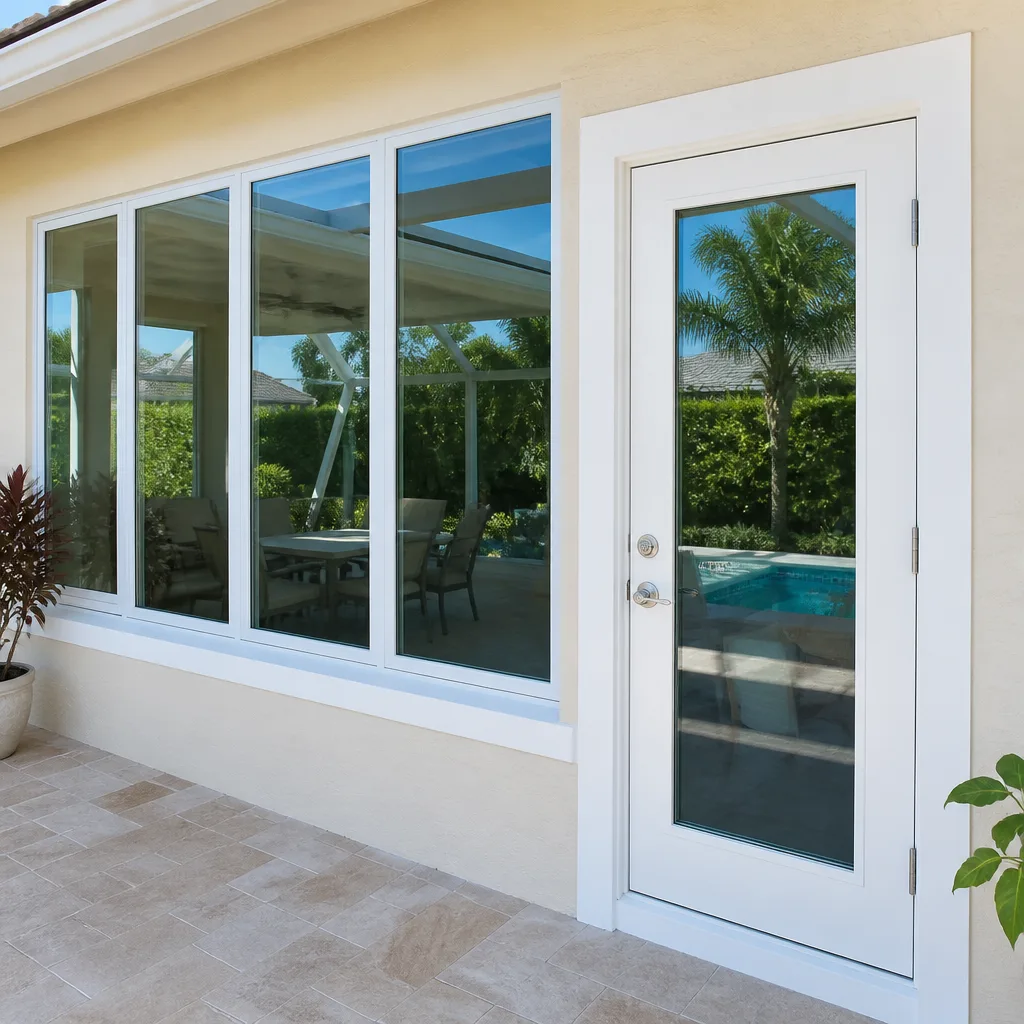 After
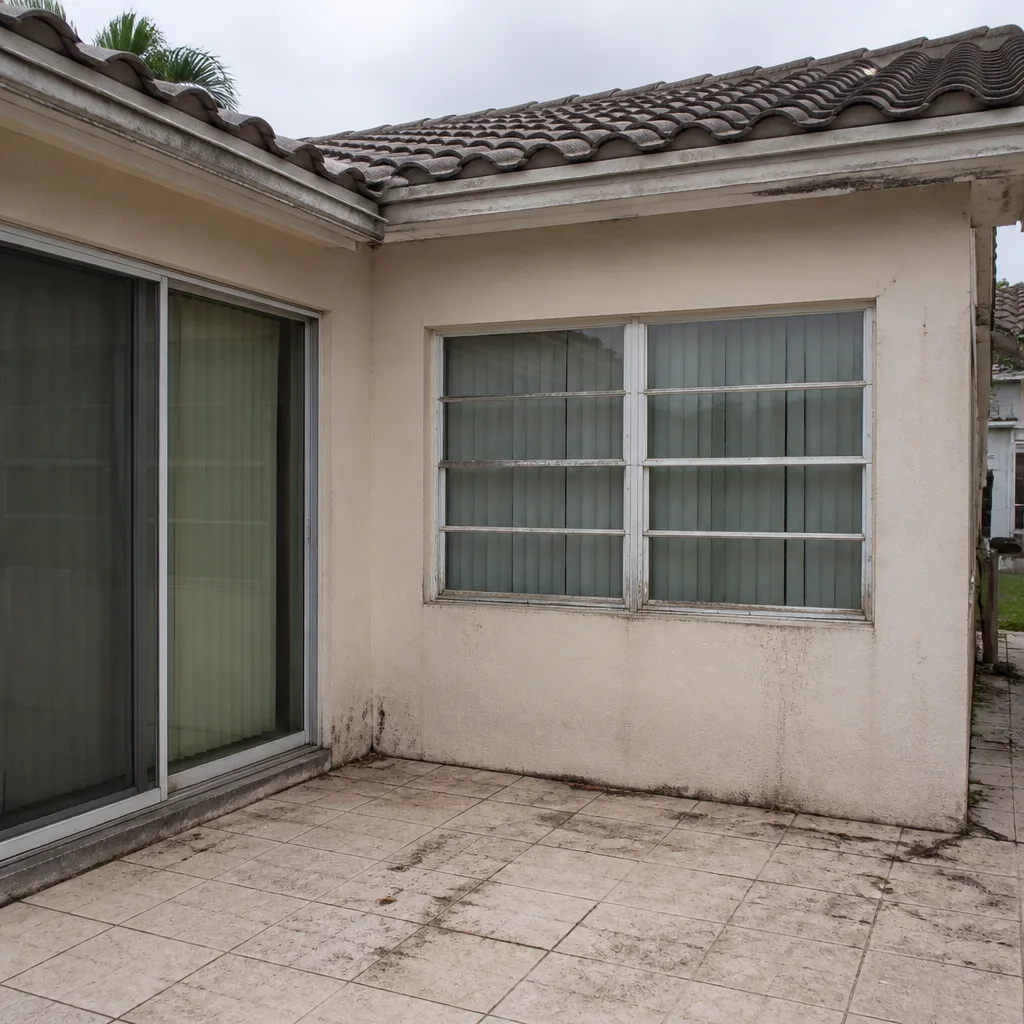 Before
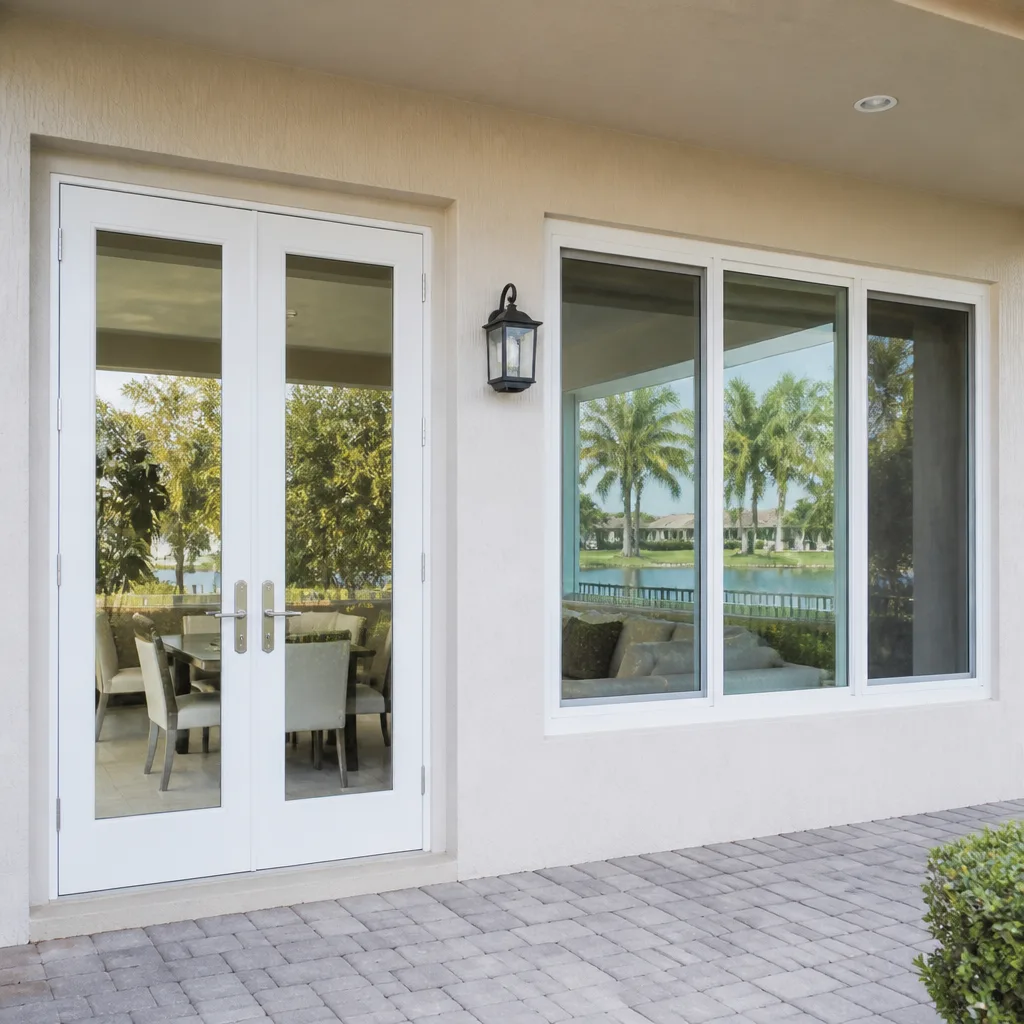 After
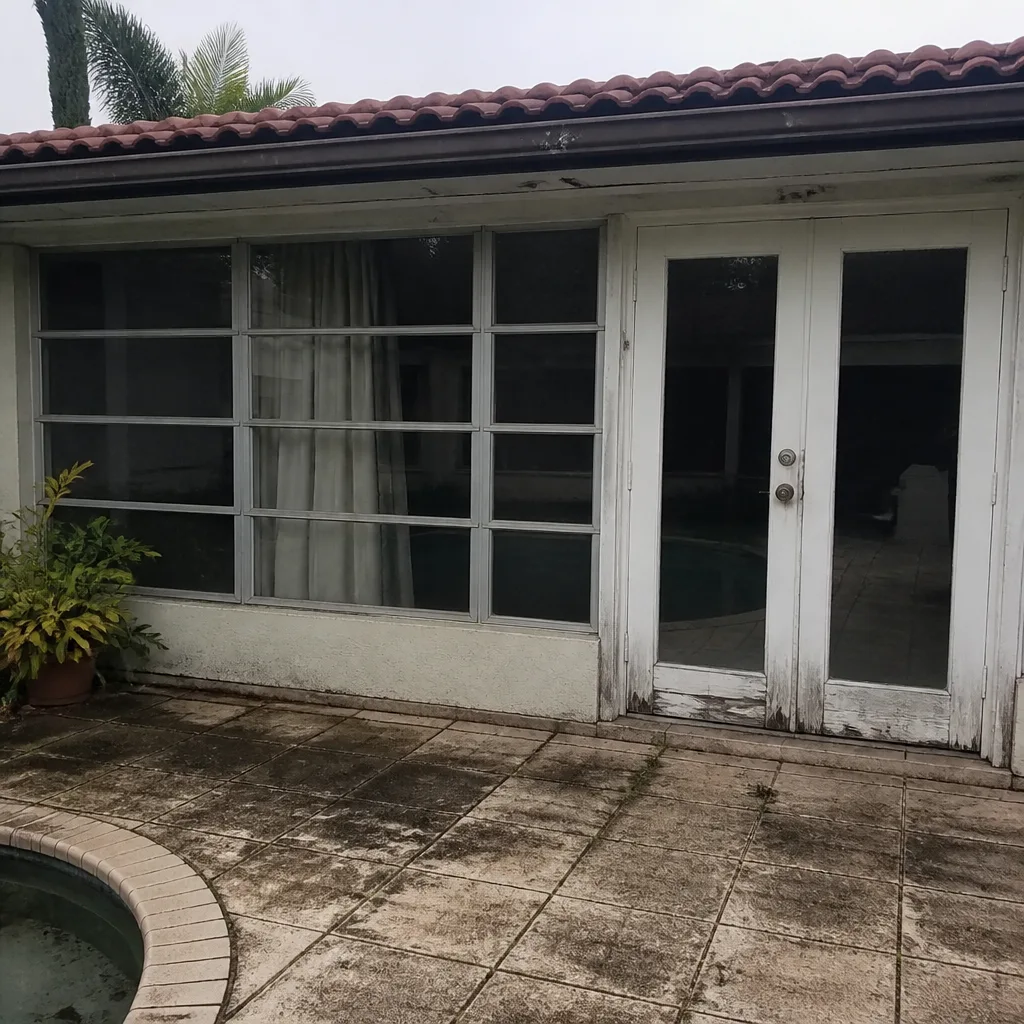 Before
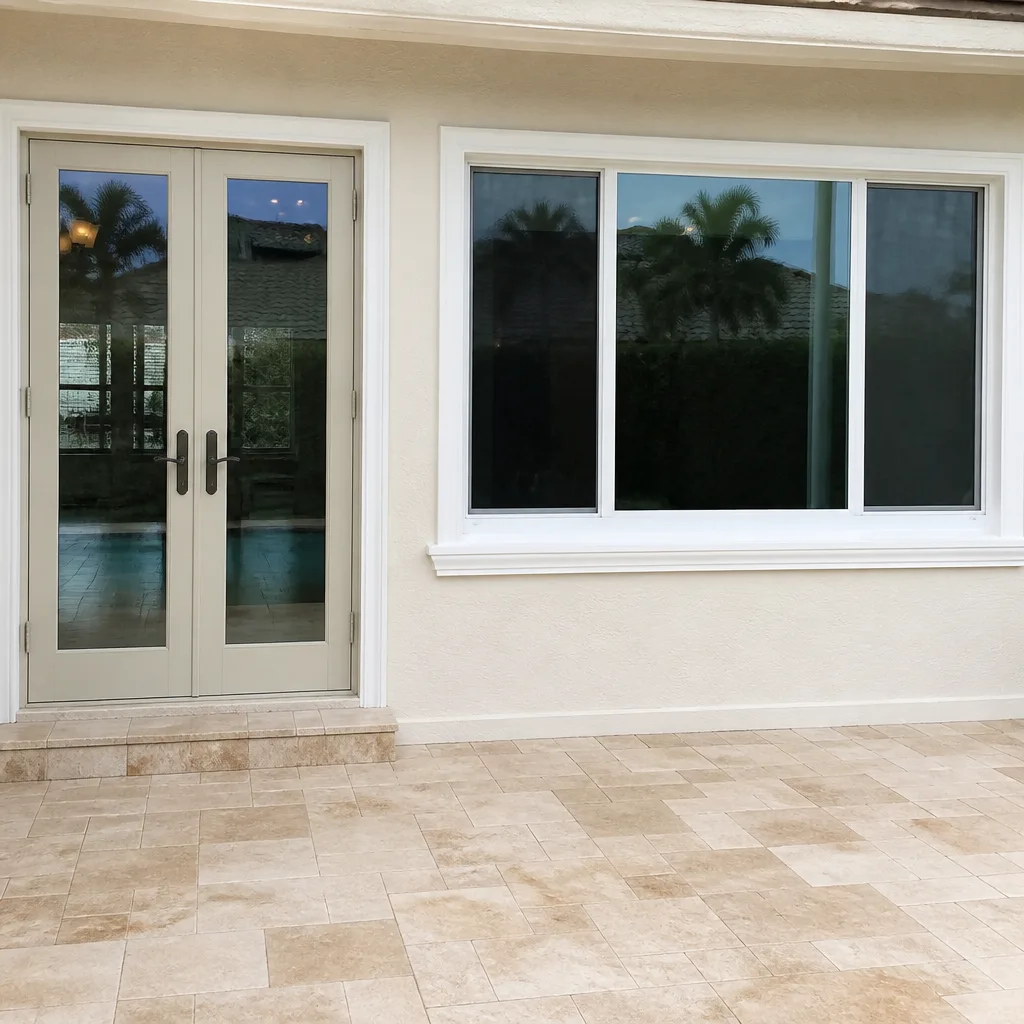 After
Windows & Doors Permits, Codes & Inspections in FL: What You Need to Know
Most Florida homeowners discover the permitting rules the hard way: after the window is already ordered, or worse, after the inspector has already failed the job. Florida is not like other states. Hurricanes changed everything, and the building code here is written with the memory of what wind and water can do to a house. In Plantation, where many homes were built before the current wind-load standards existed, the gap between what is standing in the wall and what code requires today is often wider than homeowners expect. This guide lays out what you actually need to know about permits, codes, and inspections for windows and doors in Florida so you can plan the work once and pass inspection the first time.
Quick Answer
In Florida, replacing windows and exterior doors almost always requires a building permit, and the work must meet the Florida Building Code, including wind-load and impact requirements that vary by your home’s location within a wind-borne debris region. A licensed contractor pulls the permit, the installation is inspected by the local building department, and the cost of the permit in Plantation typically runs between $100 and $400 depending on the scope of work. Skipping the permit is not a way to save money; it is a way to void your homeowner’s insurance claim later.
Table of Contents
- Do You Need a Permit for Window and Door Replacement in Florida
- Understanding the Florida Building Code for Windows and Doors
- Wind-Borne Debris Regions and Impact Requirements
- Plantation-Specific Code Context and What We See in Local Homes
- The Permit Process Step by Step
- What Inspectors Actually Check in Plantation
- What Permits and Code-Compliant Installation Cost in Florida
- When an Older Home Needs More Than a Like-for-Like Swap
Do You Need a Permit for Window and Door Replacement in Florida
The short answer is yes, with very few exceptions. Florida law requires a building permit for the replacement of any exterior window or exterior door that is not a direct, like-for-like swap of the same size. Even like-for-like replacements generally require a permit in most South Florida municipalities, including Plantation, because the work affects the building envelope and the structure’s wind resistance. The Florida Building Code treats windows and doors as part of the structural system of the house, not as decorative finish items.
The common myth is that a homeowner can replace a window without a permit as long as they are not changing the opening size. That may fly in some states. It does not fly here. In our experience working with Plantation homeowners, the people who call us after an unpermitted install is flagged are usually dealing with one of two situations: a home sale that stalled during inspection, or an insurance claim that got denied because the new windows were not documented. Both problems cost more to fix than the permit would have cost in the first place.
There is a narrow exception for simple glazing work, like replacing a pane of glass in an existing frame. That is considered repair work and does not require a permit. But swapping the entire window unit, frame and all, is a different animal. If you are unsure where your project falls, the building department in Plantation will tell you, and any licensed contractor should tell you before you sign anything. A contractor who says a permit is unnecessary for full window replacement is not doing you a favor.
Understanding the Florida Building Code for Windows and Doors
The Florida Building Code (FBC) is updated every three years, and the 8th Edition, based on the 2023 code cycle, is the current standard. For windows and doors, the code is prescriptive. It does not make suggestions. It states minimum design wind speeds, required impact resistance, water infiltration limits, and air leakage thresholds, and it tells you what documentation proves the product meets them.
Here is what the code actually requires for any new window or exterior door installed in Florida:
- Design wind pressure rating that meets or exceeds the wind speed map for your exact address, not your ZIP code. Florida’s wind speed map varies by distance from the coast and local topography.
- Impact resistance or approved protection if your home sits in a wind-borne debris region, which includes all of Broward County.
- Product approval documentation: every window and door must carry a Florida Product Approval number (FL number) issued by the Florida Building Commission. You cannot install a window in Florida without this approval, even if it is a major brand.
- Energy code compliance through the Florida Energy Conservation Code, which sets minimum thermal performance for fenestration based on climate zone. Plantation is in Climate Zone 1, the hottest and most humid designation.
- Proper flashing and installation per the manufacturer’s approved installation instructions, which are part of the product approval. This is the number one reason installations fail inspection.
What this means practically is that the window or door is only half the conversation. The other half is whether the product’s approval covers your specific opening size, your specific wall construction, and your specific wind-load requirement. Brands like Andersen, Pella, and Marvin all carry Florida Product Approvals, but the specific model and size must still be verified against the approval document. This is where side-by-side quotes on paper matter, because the cheapest numbered line is not the cheapest installed and inspected result.
Wind-Borne Debris Regions and Impact Requirements
All of Broward County, including Plantation, lies within the wind-borne debris region, which the code defines as areas where the basic wind speed is 140 mph or greater, or within one mile of the coast. The practical meaning is simple: any window or exterior door you install in Plantation must either be impact-resistant or protected by an approved impact cover. There is no third option.
Impact-resistant products, often called hurricane windows or impact windows, use laminated glass, similar to a car windshield, sandwiched between layers of PVB or SentryGlas. The frame is reinforced, the anchoring is specific, and the entire assembly is tested to withstand repeated impacts from a 9-pound 2×4 fired at 34 mph without penetration, followed by thousands of positive and negative pressure cycles. When a product passes, it receives an NOA (Notice of Acceptance) or FL approval number, and that approval specifies the maximum size and pressure rating for the unit.
Homeowners sometimes ask whether they can save money by installing standard windows and adding shutters later. The answer depends on timing. Florida law allows shutter protection for existing openings, but only if the shutters are part of the permitted design at the time of replacement. You cannot put standard windows in now and promise shutters later. The inspector will not pass the rough opening for a non-compliant product, and the permit will not close.
For Plantation specifically, the additional reality is that many homes built in the 1970s and 1980s were framed when the design wind speed was lower and the opening sizes were less regulated. What that means is that the new impact window is often heavier and requires more anchoring than the old window it replaces. The opening may need structural attention before the new unit goes in. A contractor who does not mention this up front is likely planning to discover it mid-job, and discovery mid-job is where change orders come from.
Plantation-Specific Code Context and What We See in Local Homes
Plantation is inland enough that homeowners do not face the same salt-spray corrosion issues as Dania Beach or Hollywood, but the humidity and heat are relentless. That matters for frame material choices and seal performance. We regularly see failed seals and warped frames in Plantation homes that are only ten or fifteen years old, especially on west-facing walls that take the full afternoon sun. Vinyl frames, in particular, expand and contract in the heat, and a frame that is out of true will bind a door in July and leak air-conditioned air in December.
The older neighborhoods in Plantation, especially the neighborhoods east of University Drive and south of Broward Boulevard, have a high concentration of single-story concrete block homes built between 1960 and 1985. These homes often have original aluminum single-pane windows, sometimes in non-standard sizes. When we replace them, the conversation is rarely a simple swap. The old window may have been set directly into the block without a proper buck frame or flashing, which means the opening itself needs remediation before the new impact window goes in. It makes the job more involved, but it is exactly the kind of work that if skipped, turns into a leak or a failed inspection.
Homeowners in Plantation also face a practical inspection reality: the city inspection schedule can be dense, and reinspection fees are real. Broward County and Plantation building officials are thorough, and they should be. The inspection is not a formality. Passing it the first time comes down to documentation being in order and the installation matching the approved plan. When the product approval, the permit documents, and the physical installation do not match, the inspector will flag it, and the correction is on the contractor’s time.
The Permit Process Step by Step
Knowing the sequence helps homeowners understand why the process takes the time it takes. Here is how a permit for window or door replacement in Plantation actually moves through the system:
- Product selection and documentation. Before the permit can be filed, the exact products must be chosen and their Florida Product Approvals gathered. The permit application lists the FL approval numbers for every window and door, plus the design pressure ratings and the opening sizes.
- Permit application submission. A licensed contractor or the homeowner (as an owner-builder) submits the permit package to the City of Plantation Building Department. The package typically includes the permit application, the product approval documents, the manufacturer installation instructions, and for larger jobs, a drawing or layout of the openings.
- Plan review. The plans examiner reviews the package for compliance with the current Florida Building Code and local amendments. For simple like-for-like residential window replacements, this is often an expedited review. For jobs involving structural changes, new openings, or moving doors, the review takes longer and may require additional engineering.
- Permit issuance and fee payment. Once approved, the permit is issued, and the fees are paid. Fees in Plantation are generally based on the valuation of the work, with minimums applied. A typical window and door replacement permit runs from $100 to $400, though larger projects with structural work can go higher.
- Installation. The work proceeds per the approved plans and the manufacturer’s installation instructions. Any deviation from the approved plans requires an amendment to the permit before inspection.
- Inspection. The contractor schedules the inspection. The inspector checks the installed products against the approved permit, verifies product approval labels or stickers are visible, and confirms the anchoring and flashing are correct.
- Permit closeout. Once the inspection passes, the permit is closed, and the homeowner receives the final documentation. Keep this. It is the proof your insurance company and future buyer will ask for.
One note on owner-builder permits: Florida law allows a homeowner to pull their own permit for work on their own home. The catch is that the homeowner assumes full legal liability for the work, and if the work fails inspection, there is no contractor to send back. For window and door replacement in a wind-borne debris region, the risk is not worth the savings. The liability does not disappear just because you sold the house later.
What Inspectors Actually Check in Plantation
The inspection is where the permit process proves itself. In Plantation, the window and door inspection is visual and specific. The inspector is not doing a white-glove test on the glass. They are checking that what was approved is what got installed, and that the installation matches the manufacturer’s instructions that are part of the product approval.
The specific things an inspector checks include:
- Product approval labels. Every impact window and door carries a permanent label or etching that identifies the manufacturer, the model, the impact rating, and the FL approval number. The inspector will look for it. If the label is missing or painted over, the product fails inspection.
- Anchoring pattern and fastener type. The product approval specifies exactly what fasteners go where, at what spacing, and into what substrate. The inspector checks a sample of the installed fasteners against the approval document.
- Flashing and water management. The opening must be flashed per the manufacturer’s instructions, with the proper sequence of sill flashing, jamb flashing, and head flashing. Florida’s rain and humidity make this a legitimate life-of-the-house concern, not a paperwork concern.
- Door thresholds and sill pans. Exterior doors get particular attention because a door that lets water under the threshold rots the flooring and the framing. The sill pan must be sloped and sealed correctly.
- Operational function. The inspector will open and close the window or door, latch it, and check for binding. A window that operates correctly is part of the code, because in an emergency, a window that will not open is an egress problem.
In our experience, the most common reasons installations fail inspection in Plantation are missing product labels, the wrong fastener pattern for the substrate, and flashing sequence errors. All three are avoidable when the installer reads the approval document and follows it literally. This is a core part of the Keystone Standard we apply on every job: the installation matches the document, and the document is on file before the inspector arrives.
What Permits and Code-Compliant Installation Cost in Florida
Let us talk in real numbers, because “it depends” does not help anyone budget. The permit itself is the smallest line item. The code-compliant product and installation are where the money goes, and that is where the price difference between a real quote and a lowball quote shows up.
Here is a typical cost picture for a full-house window and door replacement in Plantation, using mid-range impact products from Andersen, Pella, or similar authorized lines:
- Permit and inspection fees: $150-$400, depending on the number of openings and the valuation of the work.
- Impact window, standard size, installed: $800-$1,600 per opening, depending on size, frame material, and the product line.
- Impact sliding glass door, installed: $2,500-$5,500, depending on width, configuration, and the manufacturer.
- Impact entry door with frame, installed: $1,800-$4,000, depending on material, sidelites, and hardware.
- Structural remediation per opening, when needed: $150-$600, depending on what the opening requires once the old window is out.
Those ranges are not bids. They are planning numbers based on what we have installed in Plantation over the years. The exact quote depends on the opening sizes, the product line, the wind-load requirement for your specific address, and what we find when the old unit comes out. That last item is why we measure twice and quote side by side on paper before the work starts. The goal is a square deal, which means the number on the proposal matches the number on the final bill.
If a quote comes in dramatically lower than these ranges, ask what product line it specifies, whether the permit is included, and whether the quote covers protection of the interior and disposal of the old units. A low number that does not include the permit is not a low number.
When an Older Home Needs More Than a Like-for-Like Swap
Plantation has thousands of homes built before the current wind-load standards, and many of them have original window and door openings that are not square, not flashed, and not sized for modern impact products. When we pull the old window out of a 1970s block home, we are often looking at raw block, no buck frame, and old caulk that has long since stopped doing anything. That is the moment where “just swap the window” becomes “fix the opening.”
The signs that your replacement is going to involve more than a swap include:
- Visible cracks in the stucco radiating from the corners of existing windows or doors. That indicates movement or inadequate structural support around the opening.
- The old window was held in with caulk and hope. If there is no visible anchoring hardware when the trim comes off, the original installation was not code-compliant even for its day.
- Water staining below the window or around the door threshold. That means the flashing has failed, and the water has been getting into the wall cavity. The repair is not cosmetic.
- The opening is out of square. A window cannot be installed plumb and true in an opening that is not plumb and true. The opening has to be corrected, or the new window will bind, leak, and fail.
None of this is unusual in older Plantation homes. None of it is a reason to panic. It is a reason to have a contractor who does not discover problems and then charge for the surprise. The way we handle it is straightforward: we inspect the opening, we tell you what we found, and we quote the remediation as part of the original proposal, not as a change order after demolition. If the pane is not true, the job is not done, and that applies to the opening as much as the glass.
Common Mistakes to Avoid
- Replacing windows without a permit because the old ones are “the same size.” Florida does not care about the size. It cares about the wind resistance. Unpermitted replacement windows are a flagged item on home sales and a denial trigger on insurance claims. In Plantation, the fix is to pull a permit after the fact, and after-the-fact permits come with fees and questions.
- Choosing a product line that does not have a Florida Product Approval for the specific opening. Not every window from a major brand is approved for every size and pressure rating. A 72-inch-wide window may need a different reinforcement package than a 36-inch window, even within the same product line. The approval document is the authority, not the brand name.
- Contractors who quote a price and then discover structural problems during installation. The discovery method is not pricing; it is exploration at the homeowner’s expense. Get the quote in writing after the openings are inspected, and ask whether the quote includes remediation of typical issues for the home’s age.
- Skipping the flashing or using the wrong flashing sequence to save a few dollars on materials. In Florida’s rain, water gets into the wall and stays there. The result is mold, rot, and a window that never gets inspected because the homeowner is afraid of what the inspector will find.
- Painting over or removing the product approval labels to make the windows look cleaner. The label is the proof the inspector and your insurance company need. Remove it, and you have turned an approved product into an unverifiable one.
When to Call a Professional
Window and door replacement in Florida is not a side project. When the work involves impact-rated products, structural openings, or aging framing in a wind-borne debris region, the risks of getting it wrong include leaks, failed inspections, and an insurance carrier that walks away from a claim. Call a licensed contractor when the opening needs structural attention, when the home is older than the current code, or when the project includes doors that must seal tightly against Florida humidity and hurricanes. If you are in Plantation and want an honest read on what your project will actually require, call TruePane Windows & Doors at (772) 577-2915 for a free estimate. A live person answers the phone, and you will get a straight answer about permits, products, and price.
Frequently Asked Questions
Yes. In almost all cases, window and exterior door replacement in Plantation requires a building permit, whether or not the opening size changes. The permit process protects you by documenting that the installed products meet Florida Building Code wind and impact requirements. Call (772) 577-2915 if you want to know whether your specific project requires one.
A typical window and door replacement permit in Plantation runs from $150 to $400, depending on the number of openings and the valuation of the work. The permit is a small fraction of the total project cost, and it is the document that keeps your insurance claim valid.
Yes. All of Broward County, including Plantation, is in the wind-borne debris region, which means any new window or exterior door must be impact-resistant or protected by an approved impact cover as part of the permitted design. Standard windows without impact protection will not pass inspection.
Florida law allows an owner-builder permit, but you assume full liability for the installation, and the inspection standards are the same. Most homeowners find the risk not worth the savings, especially when water intrusion or a failed inspection is the result. A licensed contractor carries the liability and the product knowledge.
The liability follows the house. Unpermitted work can surface during a sale, an insurance claim, or a building department notice. The fix involves pulling an after-the-fact permit, having the installation inspected, and correcting anything that does not meet code. It is a fixable problem, but it is cheaper and simpler to do the work correctly the first time.
For simple like-for-like replacements, the permit review is usually a few days to two weeks, and the inspection happens after installation is complete. Larger projects with structural work take longer at the plan review stage. The contractor handles the scheduling, so the homeowner does not need to chase the building department.
The Bottom Line
Permits, codes, and inspections exist in Florida because the wind and water are not hypothetical. A window or door installed without a permit is a liability, and an impact product installed without the correct anchoring is a false sense of security. The permit is not a tax; it is the record that your home is protected. For Plantation homeowners, the practical path is to choose code-approved impact products, work with a contractor who pulls the permit and passes the inspection, and keep the paperwork. The work costs what it costs, and done right, it is the last time you will think about those windows for decades. If you want an honest quote, call TruePane Windows & Doors at (772) 577-2915. We will be there when we say, and we stand behind it.
Written by the team at TruePane Windows & Doors.
Six Reasons Homeowners Choose TruePane Windows & Doors
Impact systems engineered to design pressures up to +/-100, matched to your wind zone - your openings hold when the storm arrives.
Low-E insulated impact glass from our manufacturer lines commonly cuts monthly cooling bills 20-30%.
Laminated impact glass shuts out up to 40% of outside noise - traffic, neighbors, weather.
Monitoring services run $30-90 a month. Laminated impact glass resists forced entry around the clock, with no subscription.
Florida homeowners average around 25% savings on the windstorm portion of their policy after protecting every opening - some homes qualify for more.
A full impact package upgrades curb appeal, buyer confidence and appraised value in one project.