
Last updated August 27, 2026
Free in-home measure and quote - PGT, CGI and CWS impact lines compared on your actual openings, style by style
Sliding glass doors
Impact garage doorsPGTCGI
 Before
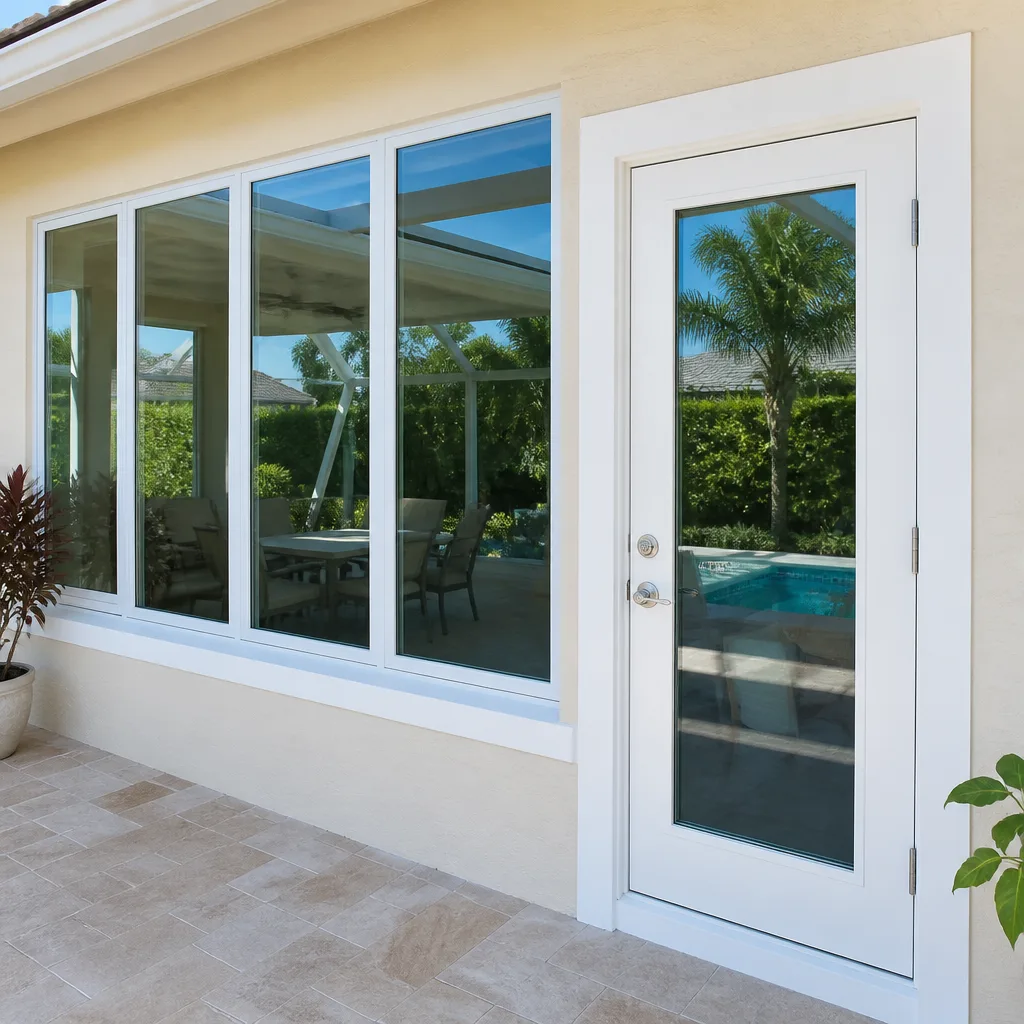 After
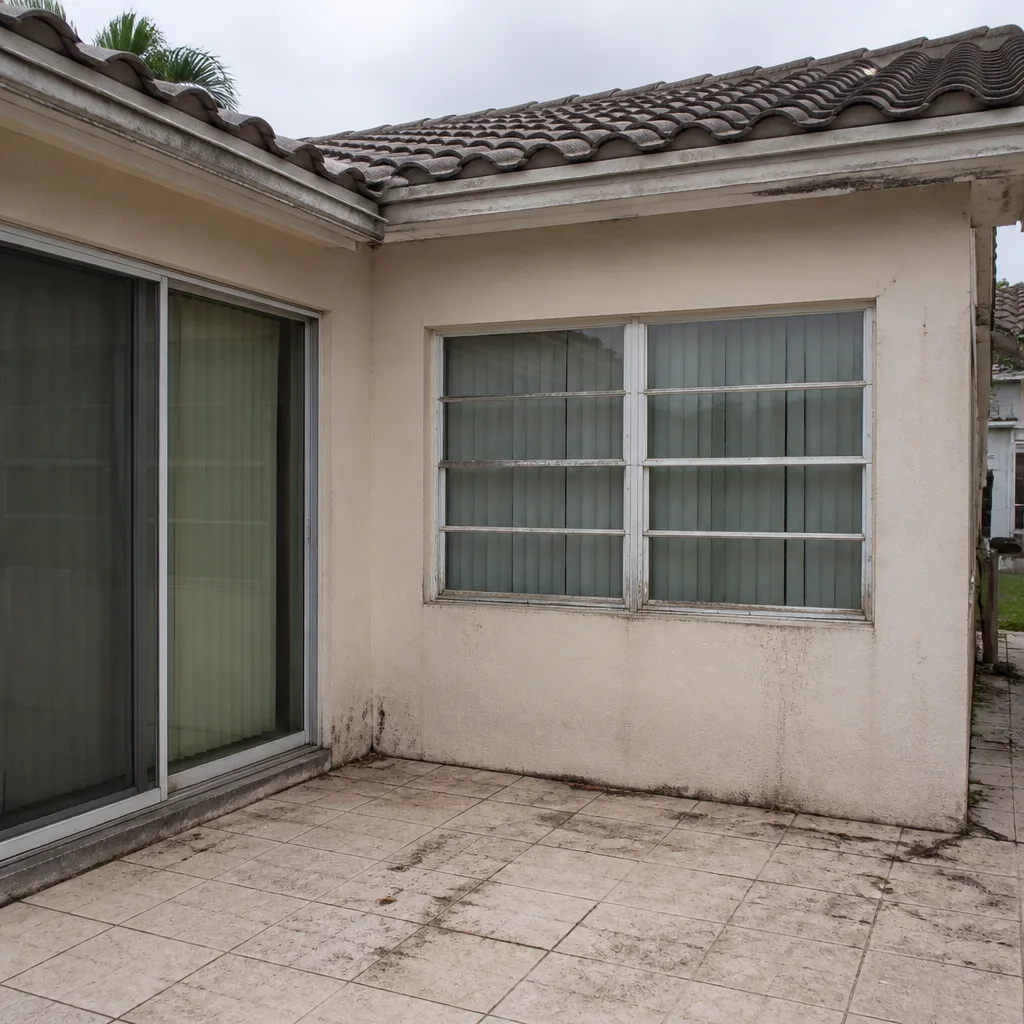 Before
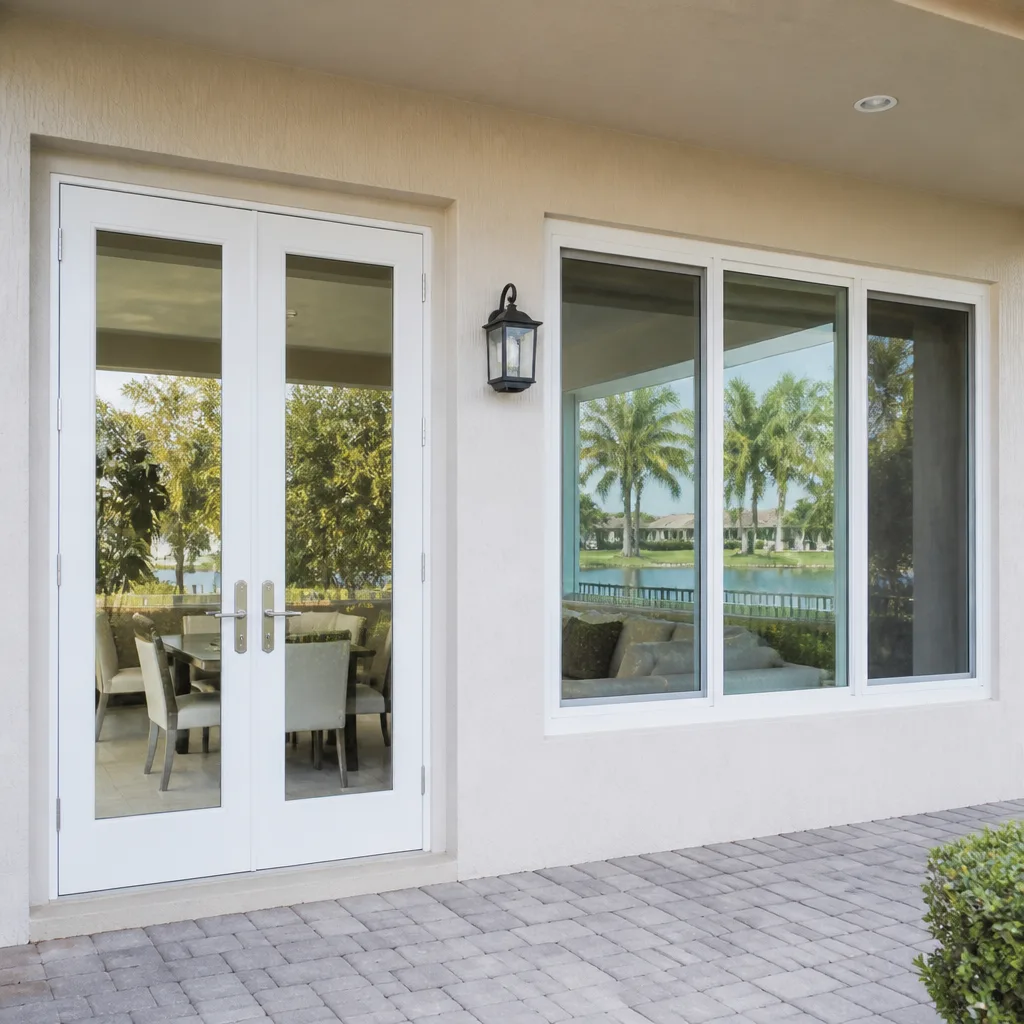 After
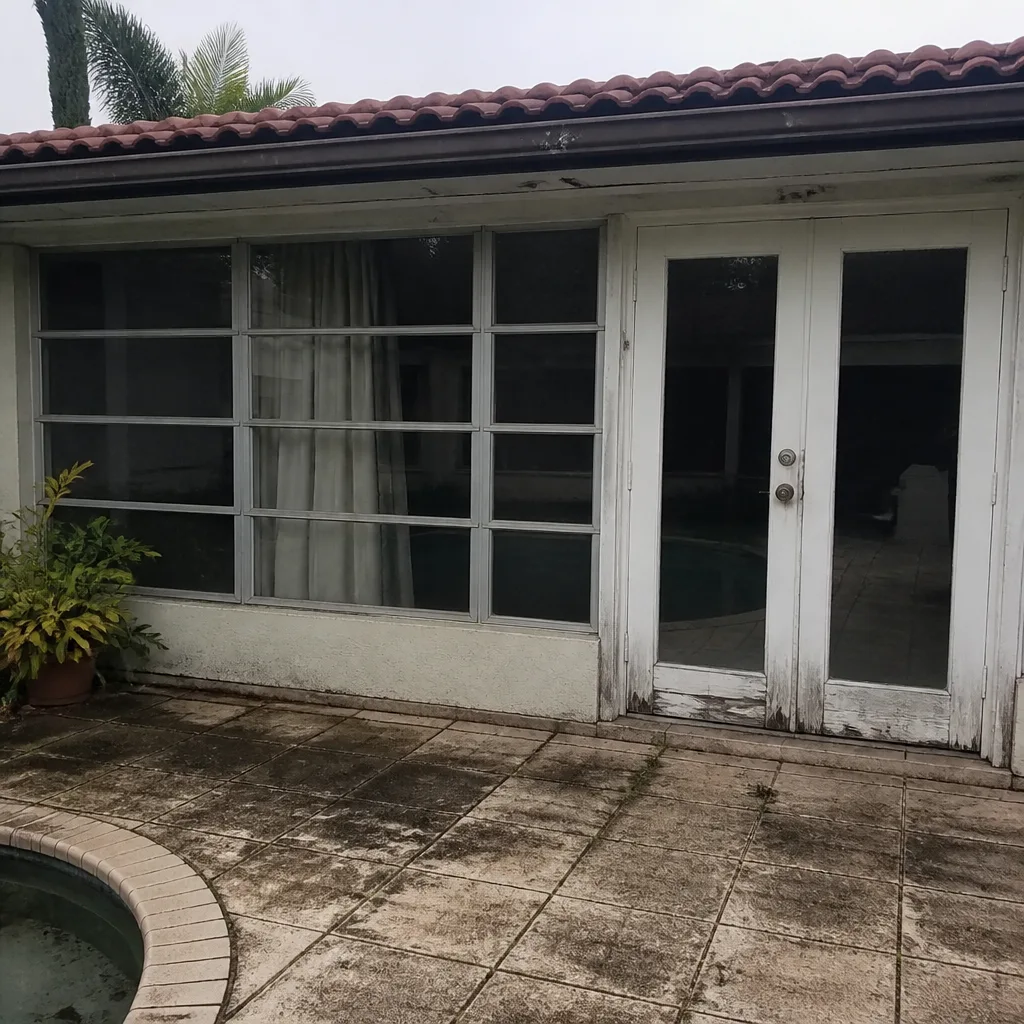 Before
 After
Windows & Doors Warning Signs: A Plantation Homeowner’s Reference Guide
Most Plantation homeowners don’t replace a window because it looks worn. They replace it because it stopped doing its job quietly. The real warning signs are rarely dramatic – a lock that needs jiggling, a room that never quite cools, a frame that sits a quarter-inch out of square. This guide walks you through what actually matters when you’re deciding whether to repair or replace, what those symptoms cost to fix in Plantation, and how to spot a problem before it becomes a five-figure one.
Quick Answer
The most common warning signs in Plantation are condensation or fog between glass panes, visible daylight around door edges, windows that stick or won’t stay open, drafts you can feel near closed windows, and frames that have softened or warped from humidity. Most of these point to a failed seal or a frame that has shifted out of true – both are fixable, but the fix needs to address the frame and the glass together, not just one or the other.
Table of Contents
- Fogged or Cloudy Glass: What a Failed Seal Means
- Drafts and Air Leaks You Can Feel
- Windows and Doors That Stick, Bind, or Won’t Stay Open
- Water Stains, Soft Frames, and Rot
- Impact Windows and Plantation’s Building Code
- Repair vs. Replace: A Practical Way to Decide
- Energy Bills Climbing While the AC Runs Harder
- Hardware Failures: Locks, Rollers, and Hinges
- Common Mistakes to Avoid
- When to Call a Professional
- Frequently Asked Questions
- The Bottom Line
Fogged or Cloudy Glass: What a Failed Seal Means
When you see moisture trapped between the two panes of a double-pane window, the insulated glass unit has failed. The seal that kept the two panes sealed with a gas fill – usually argon or krypton – between them has broken. The gas has escaped, outside air has worked its way in, and the result is fog, streaks, or mineral deposits on the inside of the glass where you can’t wipe it away.
In Plantation, we see this most often on west-facing windows. They take the full afternoon sun, the glass heats and cools through wider temperature swings, and the seal material degrades faster than it would on a shaded north wall. Windows in neighborhoods like Jacaranda Lakes and Plantation Isles tend to show this on homes built in the late 1990s and early 2000s, when the original single-pane units were swapped for early-generation double-pane glass. Those units are now roughly twenty to twenty-five years old, which is about the lifespan of an average insulated glass seal in South Florida’s climate.
The fix is not to replace the whole window unless the frame has problems of its own. The insulated glass unit can often be swapped on its own, leaving a sound frame in the opening. A professional will pull the vinyl or aluminum stop, remove the old unit, set a new one in fresh sealant, and reinstall the stop. The work typically runs between $150 and $350 per unit in Plantation, depending on whether the glass is standard, tinted, or impact-rated. If the frame itself is warped or the balance system has failed, replacing the entire sash or window makes more sense than repairing one component.
- Check if the fog is on the inside surface of the glass or between the panes. If it wipes away with a cloth, it’s interior condensation, not a failed seal.
- If the fog is trapped between panes, note which windows are affected and which direction they face. West and south exposures fail first in Plantation.
- Have the insulated glass unit measured and quoted. If the frame is square and the sash balances work, a glass-only replacement is the lower-cost fix.
- If the frame is out of square or rotting, replace the full window rather than paying for glass that will sit in a bad frame.
A new glass unit set into a twisted frame will fail the same way the original did. The frame and the glass have to be evaluated together, not as separate purchases.
Drafts and Air Leaks You Can Feel
A draft is not subtle. If you can hold your hand near a closed window or door and feel air moving, the weatherstripping has failed, the frame has shifted, or the door was never set true in the first place. In Plantation, where the outdoor temperature hovers in the upper 80s most of the year, a draft is cold air escaping near the AC register, not cold air pushing in. The effect on your bill is the same either way.
Draft sources break down by location rather than by component:
- At the sill or threshold: this is where most doors leak. The sweep on the bottom of the door wears down or was never adjusted to Plantation’s flat slab foundations. A gap of even an eighth of an inch across a 36-inch door is a hole the size of a playing card in your building envelope.
- At the meeting rails: the horizontal seam where double-hung window sashes meet. The interlock can open slightly if the window has shifted, or the weatherstripping can compress permanently after years of sun and pressure.
- At the perimeter of the frame: the caulked joint between the window frame and the rough opening. In Plantation’s humidity, caulk can dry, crack, and pull away, especially on homes where stucco and window frames expand at different rates during summer heat.
- Around sliding glass door panels: the wool pile strips on the sides of the moving panel wear flat after fifteen years, and the panel itself can droop if the rollers underneath have lost their bearings.
Fixing a draft usually costs less than $200 per opening if the issue is weatherstripping, caulk, or a door sweep. A door that needs to be reset in its frame, squared, and re-hung runs higher. We use background-checked, uniformed technicians on every job in Plantation who measure every opening twice before quoting, so a homeowner knows on paper which openings are leaking and what each fix costs – not a vague promise of “resealing.”
Windows and Doors That Stick, Bind, or Won’t Stay Open
A double-hung window that slides down the moment you let go has a failed balance system. A sliding glass door you have to shoulder through has worn rollers. A door that binds at the top of the frame during the summer has a frame that is moving with heat and humidity, and the lock side and hinge side are no longer parallel.
Here is what we explain to Plantation homeowners about each of these, because most of them have been living with a sticky door for years and have accepted it as normal:
- Double-hung windows that won’t stay up: the window has a hidden balance mechanism in the side jambs – either a spiral balance, a block-and-tackle, or a coil spring. When that mechanism fails, the window becomes a safety hazard as much as an annoyance. Replacing balances on one window runs $80 to $200 in Plantation, depending on the brand and whether the sash needs to be rebuilt.
- Sliding doors that grind or stick: the rollers underneath the panel are either shot or the track is packed with sand and debris. Plantation’s sandy soil works its way into tracks fast, especially on south-facing patios. New rollers and a clean, lubricated track usually fix it. A new track is a bigger job.
- Doors that bind in the summer: this is a frame issue, not a slab issue. Aluminum and vinyl expand in heat. If the door was set with too little clearance, it binds in July and swings free in January. The fix is resetting the door, not planing the edge and hoping.
- Casement windows with cranks that fight you: the gear inside the crank has stripped or the hinge arms are corroded. In salt-adjacent areas of Plantation west of University Drive, we see hinge corrosion faster than inland homeowners expect.
These are not DIY fixes for someone without experience. Windows under tension – especially double-hung balances and casement hinge arms – can release with enough force to injure fingers or break glass. A trained professional knows how to release that tension safely and replace the mechanism without damaging the sash.
Water Stains, Soft Frames, and Rot
When water gets past the exterior envelope of a window or door, the damage is cumulative and usually invisible until the frame feels spongy or a water stain appears on the drywall below. In Plantation, the two main culprits are failed caulk joints at the top of the opening and improper sill flashing during installation. A summer downpour can dump two inches of rain in an hour, and if water has a way in at the top of the frame, it follows the jamb down and pools at the sill plate.
Signs to watch for:
- Interior drywall bubbling or staining below a window, especially under the right or left corners
- Wood frame components that feel soft when pressed with a screwdriver or your thumbnail
- Mold or musty odor in a room that is otherwise dry
- Visible gaps in the caulk line where the stucco meets the window frame
- A window that sits visibly out of level in the opening
Rot in Plantation does not spread the way it does in cooler climates, but when it starts in a wood-framed window it does not stop on its own. A small soft spot can hide a sill plate that needs full replacement. If the frame is aluminum or vinyl, the issue is less about rot and more about the flashing and sealant system. Either way, the correct sequence is to remove the window or door, repair the rough opening, install correct flashing, and reset the unit. Skipping the flashing step is how the problem recurs in two years.
The local pros include local hires trained from apprentices into journeymen. When one replaces a window or door on a Plantation home, the flashing goes in before the unit, and the exterior is sealed with materials rated for South Florida’s rain load and UV exposure. No surprise line items on the bill either – the flashing and sealant are part of the quoted window installation, not an add-on discovered midway through.
Impact Windows and Plantation’s Building Code
If your home sits within the wind-borne debris region – which covers nearly all of Broward County, including Plantation – any new window or door you install must meet Miami-Dade or Florida Building Code impact standards. That means the units are either impact-rated with laminated glass, or they are protected by shutters rated to the same standard. There is no middle path when the opening is being replaced.
This matters when you are evaluating warning signs because it changes the math. A fogged impact window can sometimes be fixed with a replacement insulated glass unit, but only if the replacement glass meets the same impact rating. Not every glass unit sold in Florida carries that rating, and substituting a cheaper non-impact unit in an impact window voids the protection and, in many cases, violates code. An authorized installer for lines like can source the correct rated glass rather than whatever is in stock locally.
What to check before buying any replacement window in Plantation
- Confirm the product has a Florida Product Approval or Miami-Dade NOA number. This number ties the window to the specific size and configuration tested, not just a family of products.
- Ask whether the installation will include the proper anchors and fasteners specified by the product approval. Impact windows in Plantation are bolted to the structure, not nailed into a soft jamb.
- If the home is in a community with an HOA architectural review process, check the governing docs before you order. Some Plantation communities require specific frame colors or glass tints.
- Make sure the installer will pull the permit and schedule the inspection. In Plantation, that process exists so an owner is protected from a bad install, not to slow things down.
We measure every opening twice and quote manufacturer lines side by side on paper. That last part matters because impact windows are a serious purchase – four figures per opening in most Plantation homes. You should see exactly what you are buying, including the impact rating and the warranty term, before any deposit changes hands.
Repair vs. Replace: A Practical Way to Decide
The decision to repair or replace comes down to four questions, and when we walk a Plantation home with a homeowner, we go through them in this order because they are the questions that save people money:
- Is the frame square and sound? If yes, components like glass, weatherstripping, balances, and rollers can be repaired. If no – if the frame is soft, twisted, or pulling away from the rough opening – repair money is wasted.
- Is the unit still in production? Some window lines that were popular in Plantation twenty years ago are no longer manufactured. When parts cannot be sourced, replacement is the only honest option.
- What is the energy penalty? A single-pane aluminum window in a west-facing bedroom is a hole in your cooling envelope, even if it operates fine. Replacement with a double-pane unit pays back fastest on those exposures in Plantation’s AC-heavy months.
- What does code require? If the opening needs a new unit, it needs to meet impact standards. That is a Plantation code floor, not an upsell.
- Sliding glass door rollers: flat spots, seized bearings, and sand-caked tracks. The panel gets heavy, then it gets stuck, then someone shoulder-charges it and breaks the frame.
- Double-hung balance springs: the window starts drifting down, gets propped open with a stick, and eventually the balance snaps or the stick slips.
- Multi-point lock gearboxes: French doors and some entry doors have gear-driven locks that seize when dirt and corrosion build up inside. Cleaning helps once; replacement is the permanent fix.
- Casement crank operators: the gear strips. In Plantation’s salt-adjacent neighborhoods, the housing can also corrode around the gear, which means replacing the operator rather than the gear alone.
- Hinge screws pulling out of wood jambs: the screws strip, the door sags, and driving longer screws only helps if the jamb itself has enough sound wood to bite into.
- Replacing glass in a bad frame. A new insulated glass unit installed into a frame that is out of square or rotted will fail again. The frame and glass have to be evaluated as one system, and replacing only half of a broken system is how you pay twice.
- Ignoring a sticking door because it works with effort. A door that binds is telling you the frame is moving or the hinges are failing. By the time it stops closing at all, the repair often involves resetting the door and repairing the frame instead of a simple hinge adjustment.
- Buying a window quote over the phone without a site visit. Plantation homes vary – slab foundations, stucco, wood framing, and masonry all change how an opening gets flashed and sealed. A real quote requires someone to measure the opening and inspect the existing flash. Not every job can be priced without seeing it.
- Skipping the permit on impact window replacement. Code requires it in Plantation, and the inspection that follows protects you. An installer who suggests you skip the permit to save money is asking you to bear the risk of the work not meeting wind-load standards.
- Replacing windows one at a time with mismatched brands. It works mechanically, but it leaves you with different frames, different glass tints, and different warranty paperwork. A small set of matched units costs less than you might think when quoted side by side, and the paperwork is clean.
- Caulking over a leak instead of finding the source. Water always finds another path. If the flashing is wrong, the caulk is a bandage, not a fix. Get the opening opened up and inspected before the damage spreads.
- Assuming a fogged window means replacing the whole unit. Many Plantation homes have failed insulated glass in frames that are perfectly sound. A glass-only replacement is a fraction of the cost of a full window, and a proper contractor will tell you when that applies rather than overselling.
A straightforward repair – new rollers, weatherstripping, a lock, a balance – is a one-visit job priced upfront, and TruePane has a maintenance check for homeowners who want the moving parts on their windows and doors inspected once a year before hurricane season. That is not a marketing hook; it is the cheapest way to catch a roller set or a seal before the problem costs three times as much in July.
Energy Bills Climbing While the AC Runs Harder
Windows are not the only thing driving your FPL bill, but in a Plantation summer, they are a bigger factor than most homeowners realize. The U.S. Department of Energy estimates that windows account for 25 to 30 percent of residential heating and cooling energy use. In a climate where the AC runs from March to November, that percentage skews higher because the temperature difference between inside and outside is constant.
The warning sign is not one hot room – that can come from a duct leak or an AC balancing issue. The warning sign is a pattern: a room that is hot only when the sun hits it, a window surface that is warm to the touch at 4 p.m., a door that heats up enough to feel through the glass. That is solar gain through aging glass, and in a Plantation home built before 2005, the original windows may be single-pane or early double-pane without low-emissivity coatings.
Replacing a window for energy reasons alone rarely pencils out in under five years if the old window is otherwise working. But if the window already needs work – failed seal, a frame that no longer closes tight, or balances that let it sag open – then choosing an energy-efficient replacement is the right long-term move. Modern double-pane units with low-E glass cut solar heat transmission significantly, and in a south-facing room in Plantation, that difference is measurable on your July bill.
We don’t pitch windows as an energy investment first. We pitch them as a structural and mechanical fix for an opening that has stopped doing its job. The energy savings are a side benefit you should know about, not the headline number that covers for a loose install.
Hardware Failures: Locks, Rollers, and Hinges
Hardware fails quietly and then suddenly. A sliding glass door lock that gets progressively harder to engage finally stops engaging at all. A hinge pin drops out one week after you noticed the door scraping the jamb. A casement crank handle slips, and then the window is stuck open in a rainstorm.
Most hardware repairs are small jobs – $50 to $150 per opening in Plantation – but the timing matters because a door that will not lock is a security issue, not a cosmetic one. We tell owners to fix locking hardware the same week it starts acting up, not the same month.
Common failure points, in order of how often we see them in Plantation homes:
None of these jobs requires replacing a door or window unless the frame itself has been damaged from continued use after the hardware failed. The lesson is to call early. TruePane’s maintenance check includes checking and lubricating these components, and it is the cheapest insurance a Plantation homeowner can buy against a door that slides off its track in August.
Common Mistakes to Avoid
When to Call a Professional
Some things you live with. Some things you only touch once the right person is standing in front of the opening. Call a professional when the window is under tension and has come loose from its balance system, when water is getting in somewhere you cannot see, when a door has dropped enough to scrape the threshold, or when the fix requires pulling a permit. The common thread is that these are jobs where a mistake is expensive or dangerous. A trained glazier releases window tension safely, removes and reinstalls units without breaking glass, and pulls permits with the right documentation. TruePane Windows & Doors offers free estimates in Plantation – call (772) 577-2915 and a live person answers. No phone tree, no callback form, and no charge to walk the home and tell you honestly what needs done.
Frequently Asked Questions
Most repair jobs in Plantation run between $89 and $350 per opening depending on the component – weatherstripping and hardware are on the low end, insulated glass replacement and full-frame resetting are on the high end. The maintenance check covers inspection and lubrication for the whole home, and any repair priced over $250 currently carries a $50 discount at TruePane Windows & Doors. For an exact quote, call (772) 577-2915 – estimates are free.
Yes, if the frame is square and the sash components are sound, the fogged insulated glass unit can be swapped on its own. The work costs between $150 and $350 per unit in Plantation depending on glass type and size, and it preserves the existing frame rather than sending it to a landfill.
Impact windows typically carry glass warranties of 10 to 20 years, but the frame and hardware can last 30 years or more if maintained. In Plantation, west-facing units with heavy sun exposure may show seal failure or hardware wear in the 15 to 20-year range, while shaded north windows last longer. The Keystone Standard at TruePane registers both manufacturer warranty layers in writing so the homeowner knows exactly what is covered and for how long.
Yes, when replacing a window or door in Broward County, a permit is required, and the unit must meet Florida Building Code impact standards. The permit and inspection process protects the homeowner from an installation that fails wind-load testing later. TruePane pulls the permit and schedules the inspection as part of the job.
If the door binds at the top or bottom during certain seasons but not others, the frame has shifted out of square and the door needs to be reset in its opening. Adjusting hinges or shaving the slab only masks the problem; the frame and the door need to be squared together for the fix to last.
No, and we are straightforward about that. We price work honestly and show manufacturer lines side by side on paper, so the number on the quote is the number on the bill. A Done Right Promise backs every job – if it is not right, we make it right, with no paperwork fights and no arguing. Call (772) 577-2915 and you’ll get a straight answer, not a sales pitch.
The Bottom Line
Most window and door warning signs are the same story: a small component started failing, nobody fixed it, and the damage worked its way into the frame. The time to act is the first month you notice the symptom, not the month it stops working entirely. In Plantation, that means paying attention to which windows fog first, which doors bind in the summer, and which rooms run hot in the afternoon. When a repair is done by a local company that measures twice, registers both warranty layers in writing, and stands behind the work for 90 days with no arguing, the fix holds. That is the standard on the first visit and the baseline for every callback.
If you have a window or door giving you trouble in Plantation, call (772) 577-2915 for a free estimate. A live person answers the phone, and you’ll get a square deal – upfront pricing, no surprises on the bill. Learn more about the TruePane Windows & Doors home and what The Keystone Standard and the Done Right Promise mean for your next repair or replacement.
Written by the team at TruePane Windows & Doors.
Six Reasons Homeowners Choose TruePane Windows & Doors
Impact systems engineered to design pressures up to +/-100, matched to your wind zone - your openings hold when the storm arrives.
Low-E insulated impact glass from our manufacturer lines commonly cuts monthly cooling bills 20-30%.
Laminated impact glass shuts out up to 40% of outside noise - traffic, neighbors, weather.
Monitoring services run $30-90 a month. Laminated impact glass resists forced entry around the clock, with no subscription.
Florida homeowners average around 25% savings on the windstorm portion of their policy after protecting every opening - some homes qualify for more.
A full impact package upgrades curb appeal, buyer confidence and appraised value in one project.