
Free in-home measure and quote - PGT, CGI and CWS impact lines compared on your actual openings, style by style
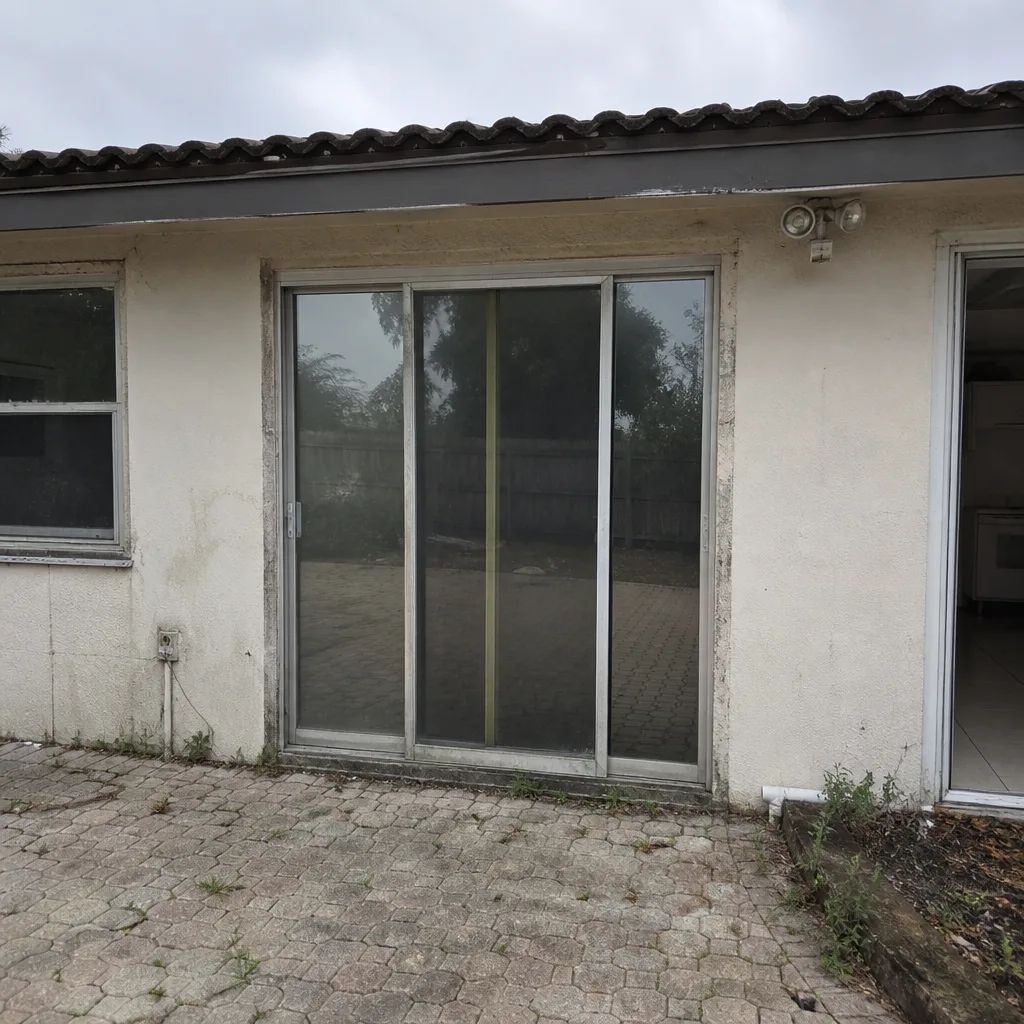
Sliding glass doors
Impact garage doorsPGTCGI
 Before
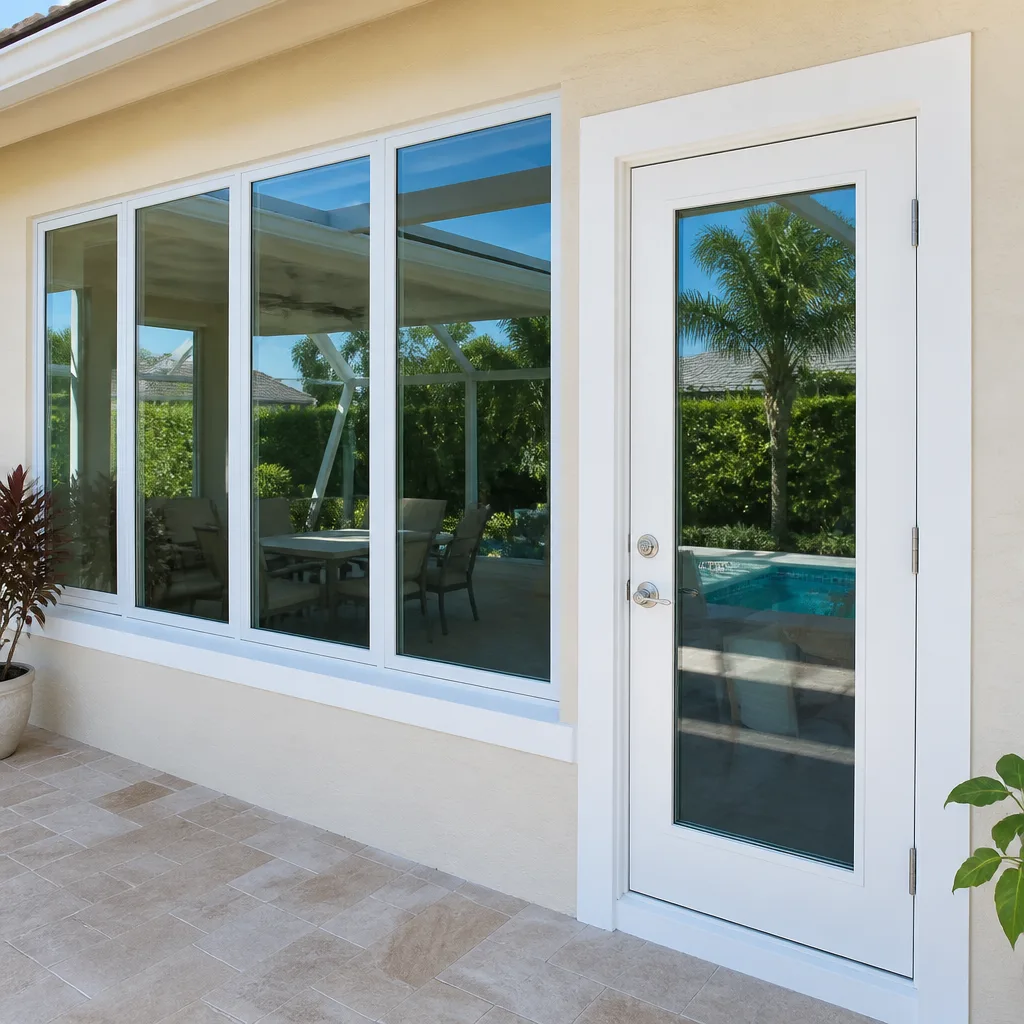 After
After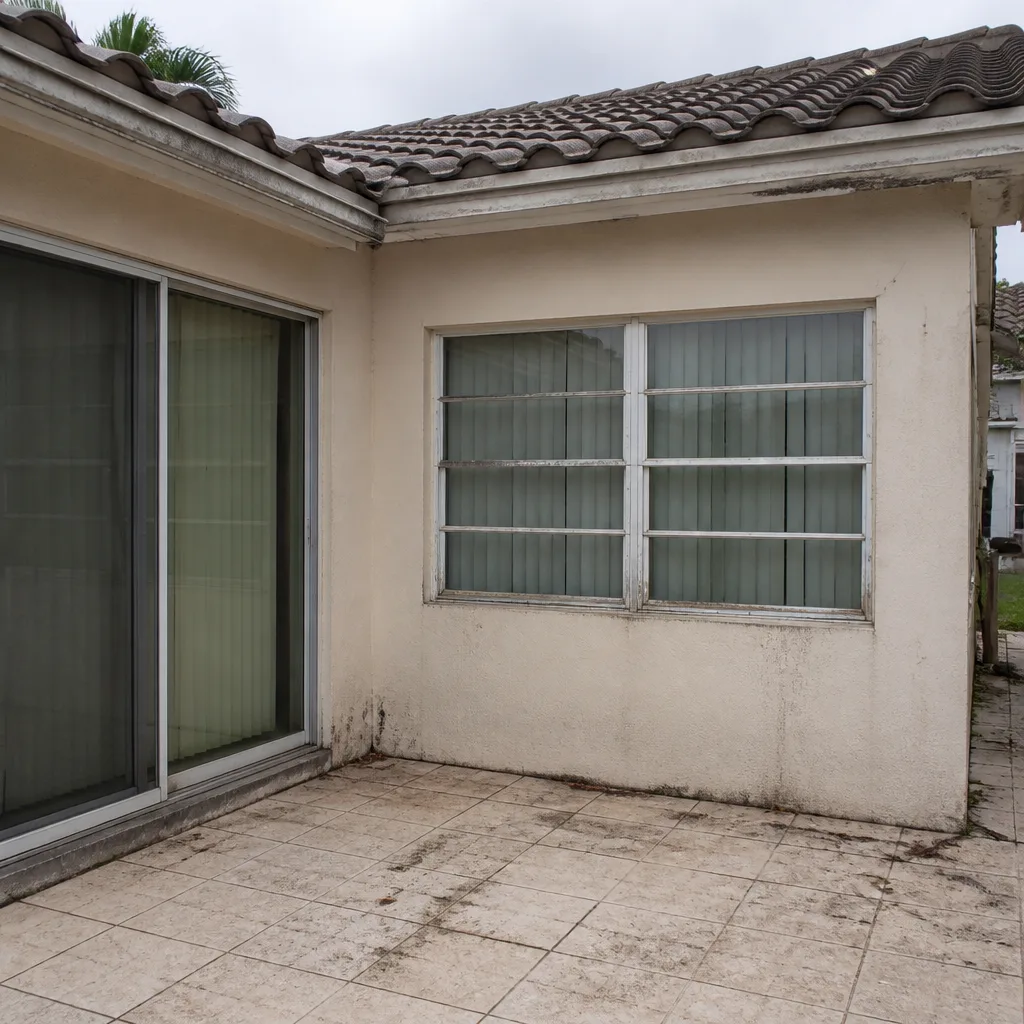 Before
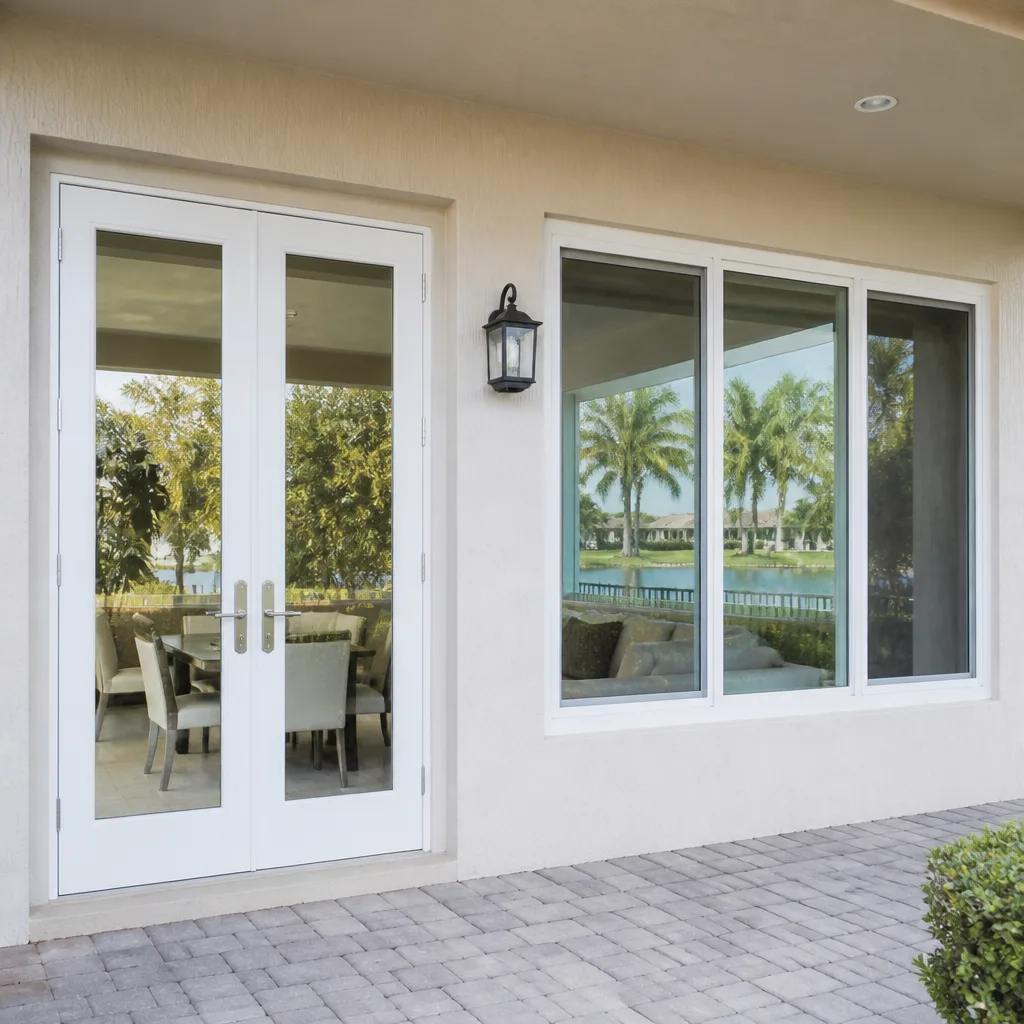 After
After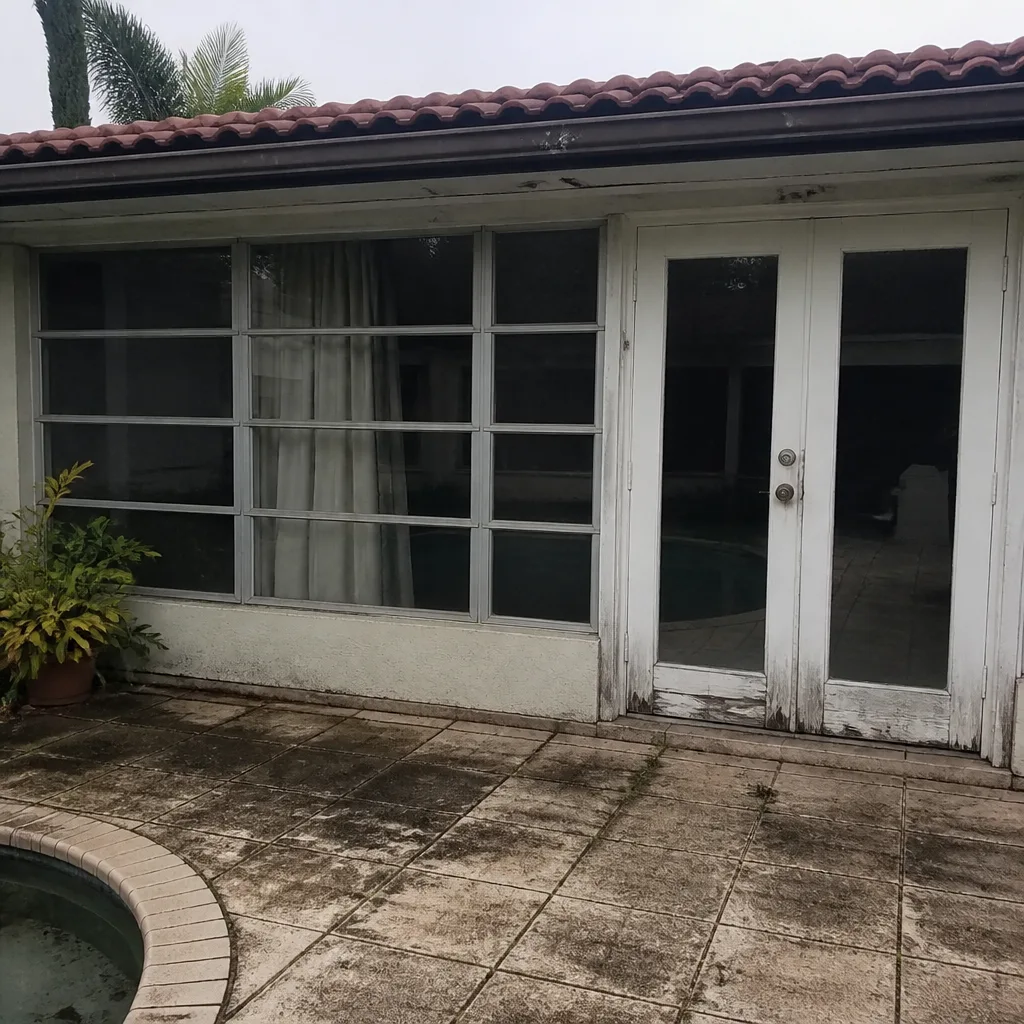 Before
 After
AfterCWS Glass Railing Systems: The Plantation Owner’s Guide
We stock and install CWS-compatible glass railing system parts across Plantation, with most single-panel replacements running $380 to $750 installed depending on the panel size, hardware condition, and whether the top rail needs re-bedding. Most owners discover the problem the same way: a glass panel that starts rattling in the wind, a spigot that pulls loose from the concrete, or a top rail that suddenly feels spongy under your hand. If you’re reading this, you’ve likely got a CWS railing that looked perfect for years and now has one weak point that is not going to fix itself. We match the part, price it honestly, and install it so it stays put through the next decade of Florida weather.
TruePane Windows & Doors is an independent service provider. We are not affiliated with CWS, but we work on their railing systems regularly and keep compatible hardware on the truck.
Which CWS Models This Applies To
CWS glass railing systems come in a few distinct series lines, and the part you need depends on which one sits on your patio, pool deck, or balcony. The most common in Plantation are the frameless point-supported systems, where each glass panel is held by spigots or standoff pins drilled into the concrete, and the semi-frameless systems that use a channel base with a slim top rail. Both look clean from across the yard, but they wear differently.
The fastest way to identify your series is to look at the bottom edge of the glass. CWS typically laser-etches a small code near a corner, something like a date stamp followed by a series letter. If that etching has weathered off, measure the glass thickness with a caliper: frameless CWS panels are almost always tempered 1/2-inch, while semi-frameless runs 3/8-inch. That measurement alone rules out a lot of wrong parts. One Plantation-specific gotcha: coastal-rated sections built after the 2012 Florida Building Code update often used a thicker 5/8-inch tempered lite, and an off-the-shelf 1/2-inch replacement will not sit correctly in those spigot bases.
For the spigot hardware itself, CWS has changed base profiles over the years. An early 2000s install uses a round base with a set screw at the side. Newer production runs use a square or rectangular base plate with bolts through the top. They are not interchangeable without drilling new anchor points, which we generally will not do unless the existing concrete is already compromised. We quote OEM CWS parts alongside quality aftermarket equivalents on paper so you can see the difference in cost, lead time, and warranty before you commit.
Key Takeaways
- We stock CWS-compatible glass panels and hardware for immediate Plantation installs.
- Typical replacement runs $380 to $750 per panel installed, hardware included.
- Measure your glass thickness before calling, it narrows the part match fast.
- Both warranty layers are registered in writing before our truck leaves your driveway.
Signs Your CWS Glass Railing Systems Is Failing
- Glass panel rattles when you touch it or when the wind picks up. The rubber gaskets inside the spigot or channel have compressed and hardened after years of Broward heat. The glass is still intact, but it is no longer being held the way it was designed to be.
- A spigot or base plate has visible surface rust or corrosion. Even stainless and powder-coated hardware loses the battle against Plantation humidity and pool chemical drift eventually. Once the finish is compromised, the metal underneath weakens.
- You can feel movement in the top rail when you lean on it lightly. This usually means the rail-to-post connection has loosened or the aluminum has started to fatigue at the joint. It is the first signal that the rail is doing less work than it should.
- Water stains or white mineral deposits trail down from a mounting point. Water is getting behind the hardware and sitting against the glass or concrete. Left alone, it accelerates seal failure and anchors can loosen from the inside out.
- One panel sits slightly lower or off-angle compared to its neighbors. A settling concrete deck or a failing anchor has shifted the load. The panel may not crack tomorrow, but uneven stress on tempered glass is exactly how it eventually does.
If any of these five describe what you are seeing, the part is already compromised. The good news is most of these failures are confined to one panel or one hardware cluster, so the fix is local and does not require redoing the entire run. Call us at (772) 577-2915 and we will send a background-checked technician to measure the section and give you a written line-item quote before any work starts.
Replacement Cost & What’s Included
In Plantation, expect to pay between $380 and $750 for a single CWS glass railing panel replacement depending on three things: glass thickness and size, whether the spigot hardware is reusable, and whether the concrete anchors need to be re-drilled and re-set. Smaller 3/8-inch semi-frameless panels fall at the lower end. Larger frameless 1/2-inch panels with new stainless spigots land at the higher end, and if the top rail section needs replacement, add $120 to $240 per linear section.
Every quote we write is line-itemed so you see the panel cost, the hardware cost, and the labor as separate numbers. That is not a favor, it is how a square deal works. The Done Right Promise covers the workmanship, and we register both manufacturer warranty layers in writing before we leave your driveway. No surprise line items, no second appointment left hanging because we forgot a shim.
What Drives the Price Range
- Glass thickness and size: 3/8-inch, 1/2-inch, and coastal 5/8-inch lites are priced differently.
- Hardware condition: Reusable stainless spigots save money. Corroded anchors or stripped set screws add replacement cost.
- Top rail work: If the aluminum rail has fatigued or loosened, that section must be addressed so the new panel is not carrying a load it was not designed for.
- Concrete condition: Cracks or spalling around anchors may require epoxy fill and re-setting before new hardware goes in.
We do not pad the quote. Dale Kessler keeps one rule on the whiteboard: if it is not square, level, and in writing, it is not done. You will see every number before you agree to any of it.
DIY or Call Us?
You can safely check a few things yourself. Confirm the glass thickness with a caliper, note where the etching or stamp sits, and take a photo of the spigot or base plate profile. That information helps us match the part on the first visit. You can also check whether the deck surface around each anchor is solid or soft with a light tap.
What you should not do is attempt to pull a panel, re-set anchors, or swap tempered glass on your own. Tempered glass under uneven point load shatters violently and without much warning. Removing a spigot without supporting the panel properly can send 40 to 90 pounds of glass into the concrete. We have been called out to more than one Plantation home where a well-intentioned weekend fix turned a $400 part into a $2,000 full-section replacement. If you are unsure, call us at (772) 577-2915. A live person answers, and the estimate is free.
FAQs
Expect 12 to 20 years from the glass itself and 8 to 15 years from the hardware, depending on exposure to pool chemicals, salt air, and direct sun. Hardware almost always fails before glass, which is why we stock more spigot and channel components than full panels. Call us at (772) 577-2915 for a condition check if your system is past the ten-year mark.
Usually yes. If the glass is intact and the issue is hardened gaskets, loose anchors, or a fatigued rail joint, we repair those components without pulling the panel. Replacement becomes necessary when the glass is cracked, chipped at an edge, or the spigot is so corroded it cannot hold tolerance. We will show you the condition and quote both options where they exist.
Most single-panel replacements are done in one visit, typically two to four hours including old hardware removal, concrete prep if needed, and final leveling. If we are replacing a longer top rail section or multiple spigot bases, plan for a half day. We will tell you the window before we show up, and we will be there when we say.
Yes. Our Plantation service trucks carry common CWS spigot profiles, gaskets, set screws, and rail connectors, plus a selection of 3/8-inch and 1/2-inch tempered panels. The 5/8-inch coastal lites are a same-week order from our supplier. We also stock compatible parts for Andersen, and Pella railing systems for the mixed-brand installs we see on older Broward homes. Call (772) 577-2915 with your measurements and we will confirm what fits before we roll out.
Dale grew up off Broward Boulevard, back when that stretch ran half strip plazas and half open lots. He learned glazing at McFatter Technical College in Davie and has spent the decades since setting tight-tolerance glass on everything from 1960s ranch homes to current impact-rated construction across Broward County. His father did finish carpentry, which taught him early that a frame out of plumb at the top finds a way to make life difficult at the bottom. That is why every CWS railing job gets measured twice and registered in writing before we call it done.
Written by Dale Kessler, Owner, TruePane Windows & Doors at TruePane Windows & Doors, serving Plantation and nearby areas.
Six Reasons Homeowners Choose TruePane Windows & Doors
Impact systems engineered to design pressures up to +/-100, matched to your wind zone - your openings hold when the storm arrives.
Low-E insulated impact glass from our manufacturer lines commonly cuts monthly cooling bills 20-30%.
Laminated impact glass shuts out up to 40% of outside noise - traffic, neighbors, weather.
Monitoring services run $30-90 a month. Laminated impact glass resists forced entry around the clock, with no subscription.
Florida homeowners average around 25% savings on the windstorm portion of their policy after protecting every opening - some homes qualify for more.
A full impact package upgrades curb appeal, buyer confidence and appraised value in one project.