
Free in-home measure and quote - PGT, CGI and CWS impact lines compared on your actual openings, style by style
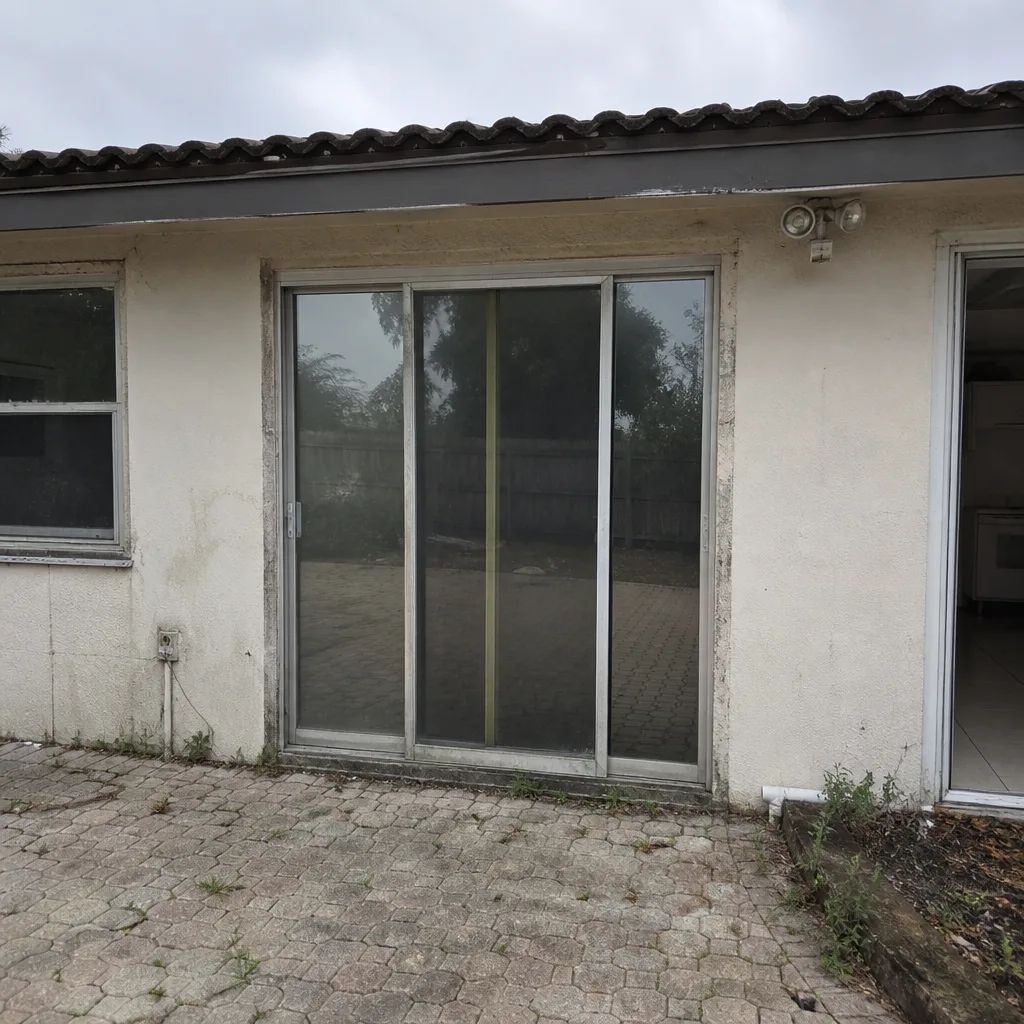
Sliding glass doors
Impact garage doorsPGTCGI
 Before
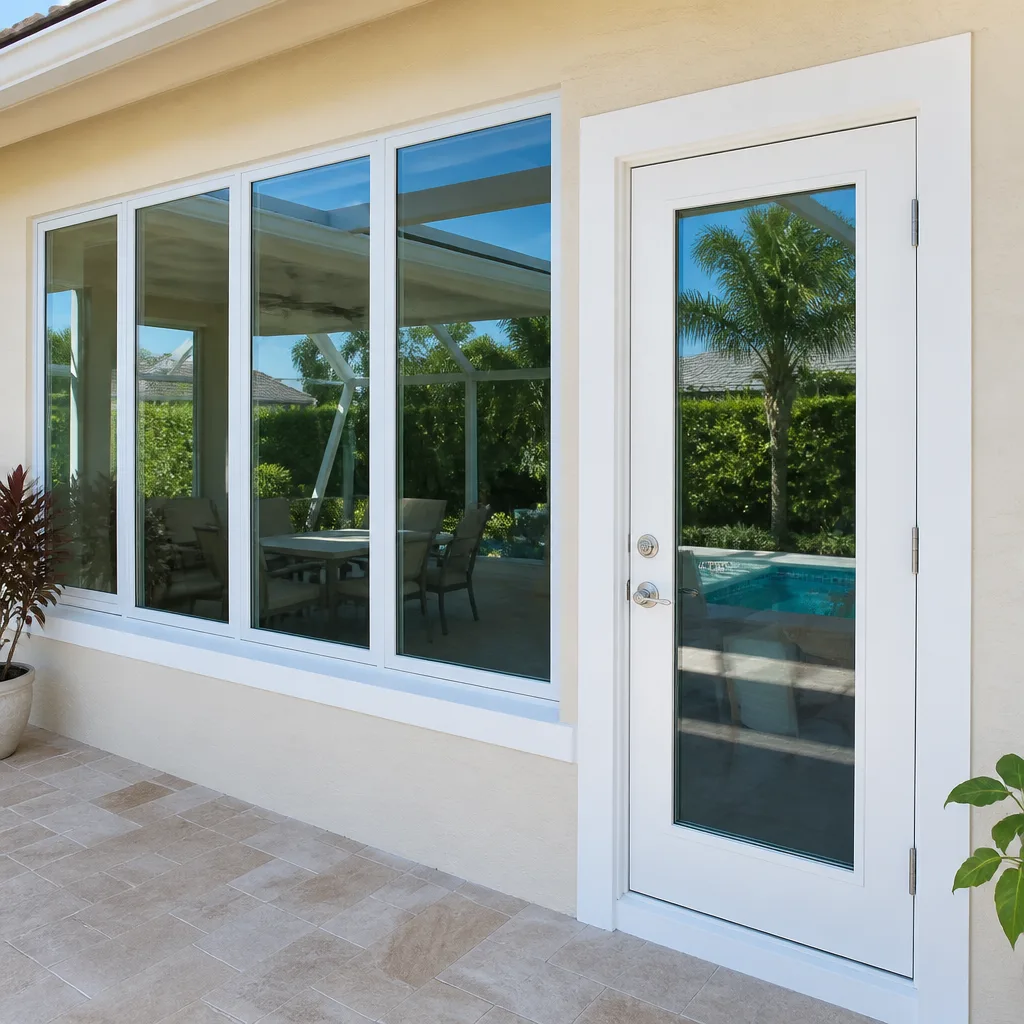 After
After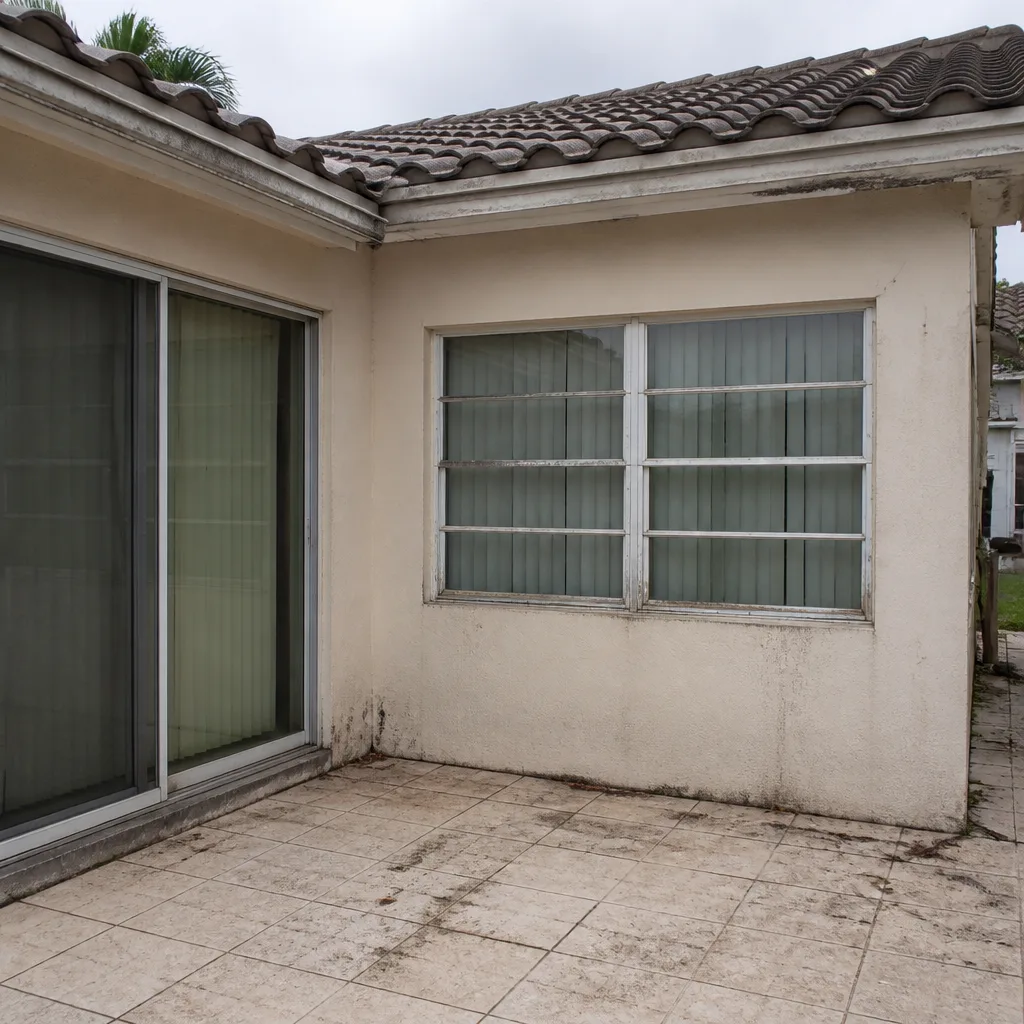 Before
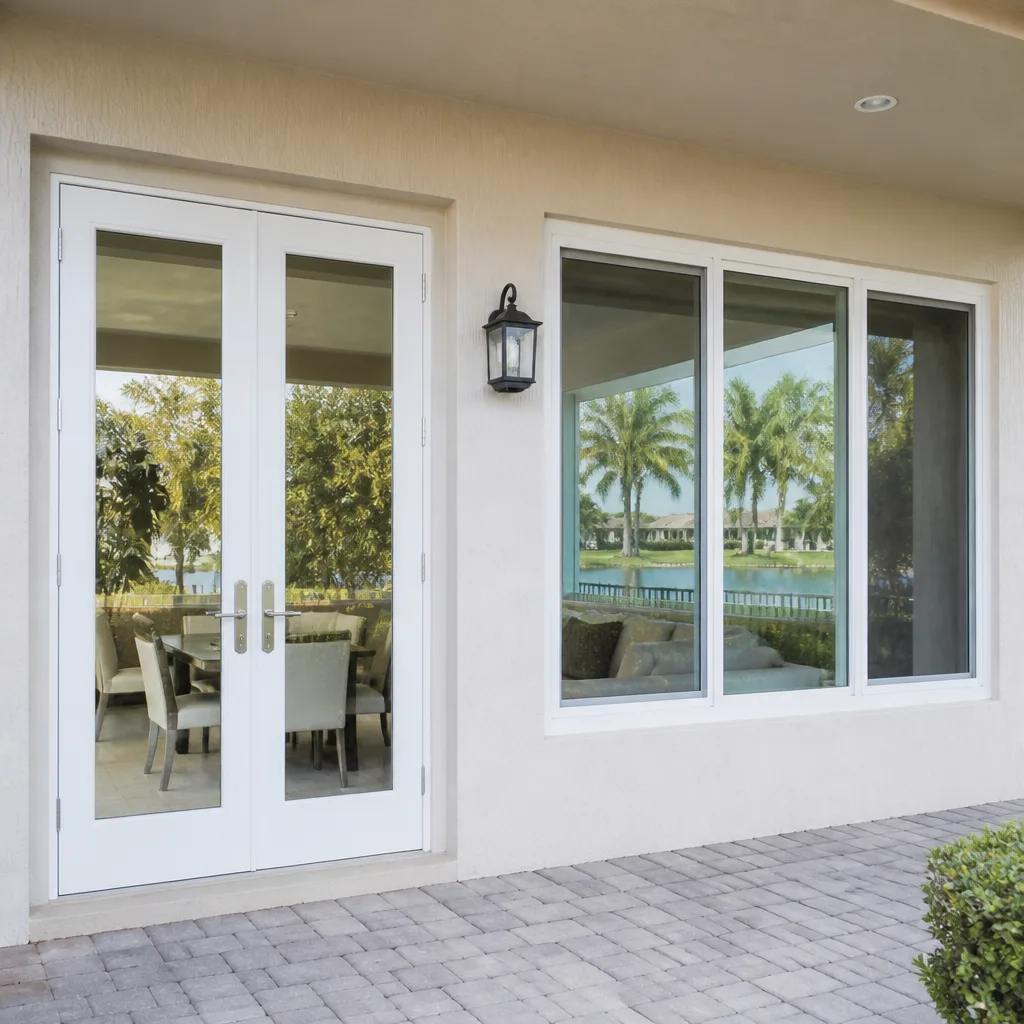 After
After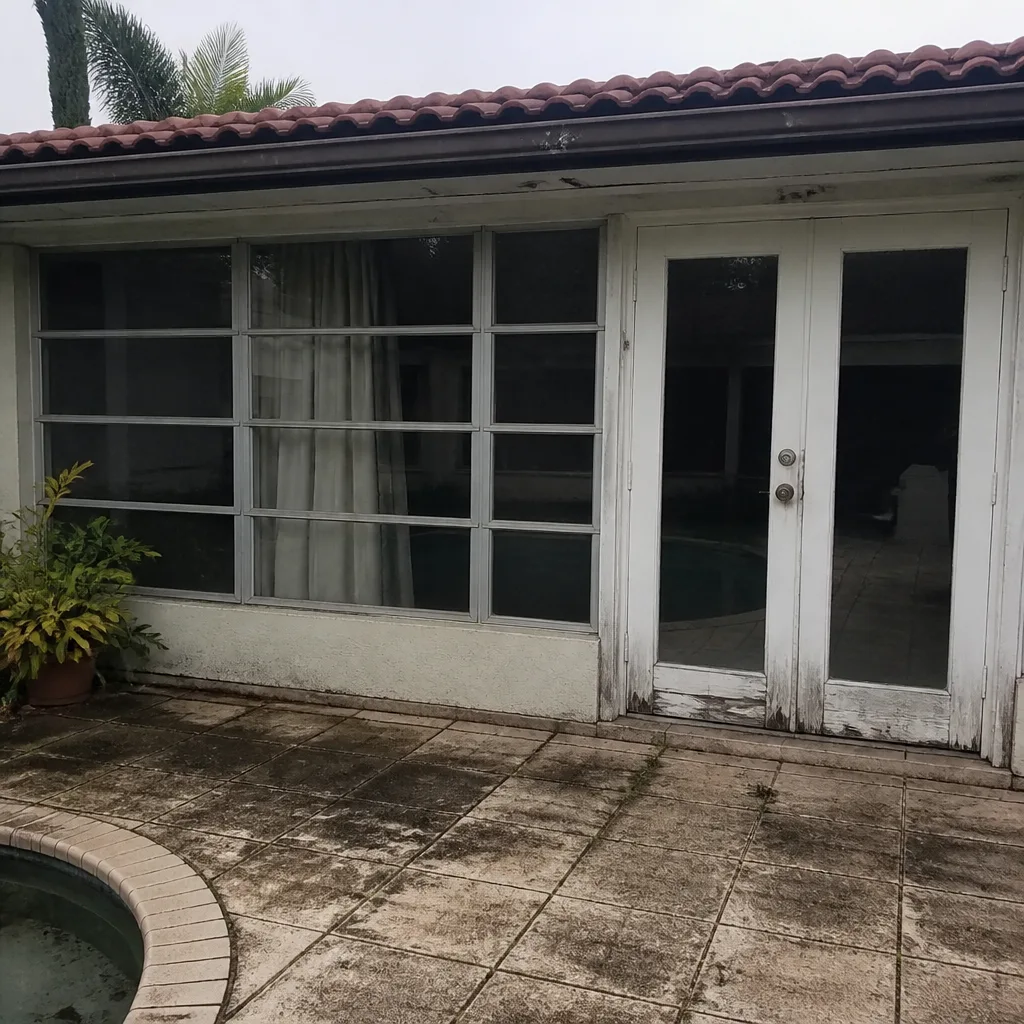 Before
 After
AfterPella Glass Railing Systems: The Plantation Owner’s Guide
We stock and install Pella-compatible glass railing systems throughout Plantation, with most replacements running between $85 and $210 per linear foot installed, depending on the rail profile and hardware condition. Most Plantation homeowners call us after a railing post works loose or a glass panel starts rattling in the channel, and we can typically complete the swap the same day we’re on site. The most common call we get involves the aluminum top rail pulling away from the glass, which usually means the internal glazing channel has degraded from years of Florida sun and humidity. If you’re noticing a wobble when you lean on the rail or a persistent cloudiness between the glass layers, that’s the system telling you it’s time for real attention.
One thing to know up front: TruePane Windows & Doors is an independent service provider. We’re not affiliated with Pella, but we’ve been matching and replacing their glass railing components in Plantation homes for years, and we carry both OEM-spec parts and quality aftermarket equivalents on the truck.
Which Pella Models This Applies To
Pella’s glass railing systems show up most often in Plantation on patio enclosures, pool decks, and second-story walkways. The compatibility range includes the Pella 250 Series and the Architect Series railing packages, though we’ve also matched parts on the older Pella ProLine-era installations from the 1990s and early 2000s, which are still common in the Plantation Acres and Jacaranda areas.
The real compatibility gotcha is the glass thickness. Pella railing panels run either 3/8-inch or 1/2-inch tempered glass, and the glazing gasket that holds the panel is specific to that thickness. A 1/2-inch panel forced into a 3/8-inch channel is a cracked panel waiting to happen. We measure the channel width, not just the visible glass, before ordering any replacement part. You’ll find the model information on a small etched label in the bottom corner of most Pella glass panels, but on older Plantation installations that label is often faded past reading, which is where the field measurement matters more than the paperwork.
For the hardware itself, the decision between OEM and aftermarket comes down to two things: age and exposure. If the rail system is still under Pella’s structural warranty and you’re within the coverage window, OEM keeps the paperwork clean. If the warranty is long expired, a quality aftermarket stainless steel post anchor and powder-coated aluminum rail will outlast the original in Plantation’s salt-adjacent air at about 60% of the OEM price. We quote both on paper, side by side, so you see exactly what you’re paying for.
Signs Your Pella Glass Railing System Is Failing
- Wobble at the post base. The post anchor bolts have loosened or the concrete anchor has spalled. In Plantation’s sandy soil, pool-deck footings settle slightly over time, and the post loses its bite. If you see hairline cracks radiating from the bolt holes, that’s a structural issue, not just a tightening job.
- Glass panel rattles inside the top or bottom channel. The EPDM rubber glazing gasket has dried and shrunk. Florida’s UV exposure hardens these gaskets faster than the manufacturer’s lifespan estimates suggest, which is why we see channel failures on 8-to-10-year-old Pella systems when the spec sheet assumed 15.
- Clouding or fogging between the glass layers. The laminated or insulated glass unit has lost its seal. In a railing application, this matters more than aesthetics because a compromised lamination layer is the only thing standing between the tempered glass and a structural break.
- Top rail pulling away from the glass at the corners. The internal aluminum splice connector has corroded. This is most common on systems installed before Pella switched to stainless internal hardware, and it’s the failure we see most on Plantation homes built in the 2005-to-2012 range.
- White powder or pitting on the aluminum surface. This is galvanic corrosion, accelerated in Plantation’s high-humidity environment where railing posts sit close to chlorinated pool water. Pitted rails don’t just look rough; the wall thickness is compromised and the rail needs replacement rather than refinishing.
Replacement Cost & What’s Included
For Plantation homeowners, a full glass railing section replacement with new tempered glass, glazing gaskets, and powder-coated aluminum rail typically runs $85 to $210 per linear foot installed. Hardware-only replacements, where the glass is sound but the posts or top rail need swapping, land between $45 and $95 per linear foot. If you’re only replacing the glazing gaskets, that’s usually $12 to $28 per linear foot, parts and labor included.
What moves the price: glass thickness, whether the rail profile is still in production or requires a custom extrusion match, and whether the existing posts can be reused. We don’t play games with the number. You get a written line-item quote before any work starts, and the price on that quote is the price on your bill. The Keystone Standard means both the manufacturer’s warranty and our workmanship promise are registered in writing before our truck leaves your driveway. If the job isn’t done right, we make it right under our Done Right Promise, no paperwork fights.
A quick note on the pricing itself: these ranges reflect what we’re currently seeing across Plantation, Central Park, and the gated communities near the Fountains. Your exact number depends on the field measurements, which is why the estimate is free.
DIY or Call Us?
There are a couple of things you can safely check yourself. Walk the rail line and press gently against each glass panel at the top corner. If a panel moves more than a quarter inch, note which one. Look at the post bases for visible rust stains or cracked concrete, and check whether the top rail corners are sitting flush. That diagnostic work is useful and costs you nothing.
Here’s where it goes wrong: glass railing panels are tempered and under consistent load. A panel that’s cracked but still seated is holding stress in ways that aren’t visible from the outside. Removing a failed panel from a Pella channel requires the right suction cups, the right lifting sequence, and a second set of hands. We’ve seen homeowners crack a good panel trying to free a bad one, and a 1/2-inch tempered glass panel is a safety hazard when it lets go. We’ll tell you the same thing we’d tell a neighbor: if the part that’s failed is structural, touching it is not the move. Call (772) 577-2915 and let one of our background-checked, uniformed techs handle the swap.
FAQs
In Plantation’s climate, you can expect 12 to 18 years from the structural aluminum before corrosion or hardware fatigue becomes a real concern, and 8 to 12 years from the glazing gaskets before they harden and need replacement. Homes with pool-deck installations closer to the water tend to land on the shorter end of both ranges. If your system is past the 15-year mark and showing multiple symptoms, replacing hardware rather than patching individual sections is usually the smarter spend. Call (772) 577-2915 and we’ll give you an honest read on what’s left in the system.
Yes, when the failure is isolated. A single corroded post anchor, a dried-out gasket run, or one compromised corner splice can often be repaired without touching the rest of the rail. The deciding factor is whether the glass itself is still laminated and sound. If the lamination is failing or the panel has stress fractures, that panel needs to come out. We’ll always show you the damaged part in person before charging you a dollar, and we’ll tell you plainly if a repair buys you three years or ten. For an exact quote, call (772) 577-2915.
Most single-section replacements on a Pella system take two to four hours on site, including glass removal, channel preparation, and new hardware set. Gasket-only replacements run faster, typically under two hours. If the concrete post anchors need re-drilling and re-setting, that adds time for the anchoring compound to cure, which in Plantation’s humidity means we may need to schedule a next-day return to finish the rail properly. We’ll tell you the full timeline before we start, and we’ll be there when we say.
We carry common Pella glazing gaskets, post anchors, and top rail profiles on the truck, along with compatible aftermarket hardware from brands we trust. Odd-size glass panels or discontinued rail profiles need to be ordered, and those typically arrive within five to seven business days in Plantation. We also stock parts for Andersen, and PGT railing systems, so if your Pella system shares hardware with another line, we can often match it same day. Call (772) 577-2915 and we’ll tell you what’s on the truck right now.
Call TruePane for Your Pella Glass Railing Work in Plantation
If your Pella glass railing is wobbling, rattling, or showing its age, don’t wait until a panel fails at the worst moment. Call (772) 577-2915 and you’ll get a live person on the line, 24/7, who can schedule a free estimate at your Plantation home. Dale Kessler and the TruePane team have been setting glass and railings square, level, and in writing across Broward County for decades. If it is not square, level, and in writing, it is not done. You’ll pay a fair number, get a written line-item quote before work begins, and have both warranty layers registered before we leave the driveway.
Written by Dale Kessler, Owner, TruePane Windows & Doors at TruePane Windows & Doors, serving Plantation and nearby areas.
Six Reasons Homeowners Choose TruePane Windows & Doors
Impact systems engineered to design pressures up to +/-100, matched to your wind zone - your openings hold when the storm arrives.
Low-E insulated impact glass from our manufacturer lines commonly cuts monthly cooling bills 20-30%.
Laminated impact glass shuts out up to 40% of outside noise - traffic, neighbors, weather.
Monitoring services run $30-90 a month. Laminated impact glass resists forced entry around the clock, with no subscription.
Florida homeowners average around 25% savings on the windstorm portion of their policy after protecting every opening - some homes qualify for more.
A full impact package upgrades curb appeal, buyer confidence and appraised value in one project.